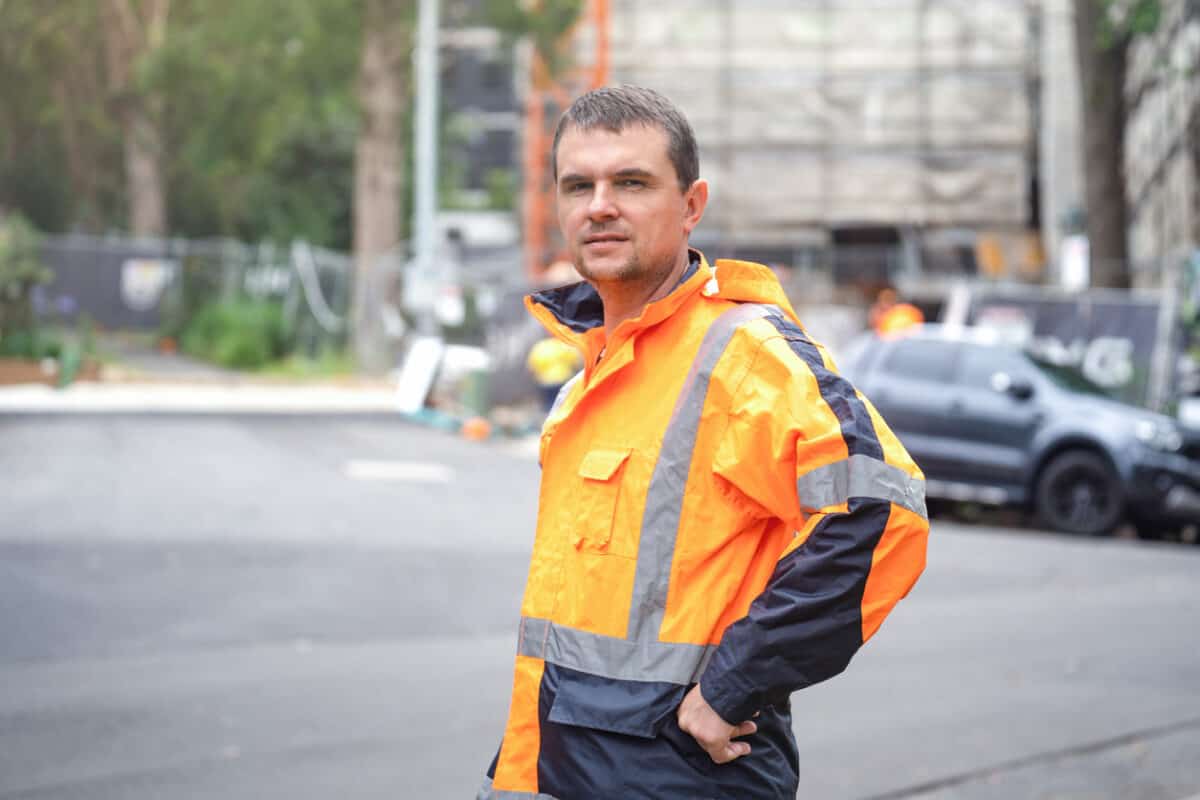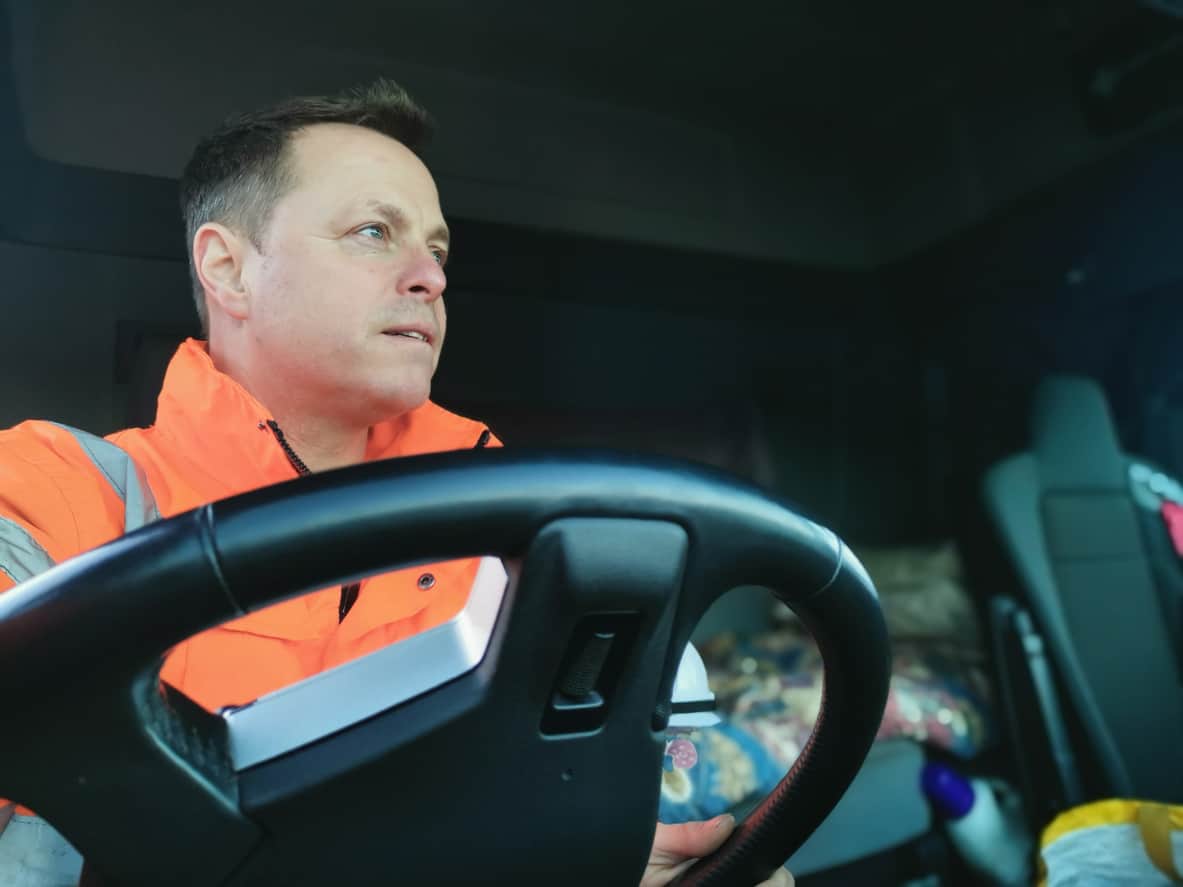
A transport court case relevant to all managers and employers

In November 2023, Australia’s National Heavy Vehicle Regulator released a “case learning” about a successful prosecution and sentence that the NHVR described as

“One of the most serious examples of a breach under the HVNL [Heavy Vehicle National Laws]”

The seriousness of the breach is perhaps reflected in the fine of A$2.3 million.

It is a significant case and a prosecution with lessons for managers and employers well outside the transport sector. In fact, the NHVR’s “Key takeaways for executives” could form the basis of a solid and productive business management system.

Subscribe to SafetyAtWorkBlog to continue reading.
Subscribe Help
Already a member? Log in here

Cultural and operational shortcomings in white-collar work

Long working hours and the billable hours structure received some attention in the prominent business newspaper. the Australian Financial Review, on November 11,2023. Unsurprisingly the article, by Edmund Tadros, about former Sex Discrimination Commissioner, Elizabeth Broderick has garnered attention in the business social media. The article reinforces the unsafe nature of the dominant management practices in white-collar workplaces.

Subscribe to SafetyAtWorkBlog to continue reading.
Subscribe Help
Already a member? Log in here

Industrial Manslaughter distracts from what really works

South Australia’s Industrial Manslaughter Bill is being negotiated in its Parliament. New South Wales’ version is in development, and Tasmania has said it does not want to be left out, so the government has flagged its intention to have Industrial Manslaughter (IM) laws. Each politician stresses the importance of these laws to deter employers from doing the wrong thing and causing the death of a worker. However, there are serious concerns about the intended deterrent effect when other occupational health and safety (OHS) measures have been shown to be more effective.

Subscribe to SafetyAtWorkBlog to continue reading.
Subscribe Help
Already a member? Log in here

Get rid of dinosaur thinking on workplace mental health

Victoria’s coronial services has been found guilty of breaching its occupational health and safety (OHS) obligations after one of its employees died by suicide, identifying work issues as a major factor in her death. WorkSafe Victoria has released the best source of information on this case. Most of the mainstream media is relying on a newswire report,which is based on WorkSafe’s information.

Significantly none of the prevention strategies identified by WorkSafe are included in the media reports even though this is perhaps the most vital information for preventing recurrences.

This article looks at the advice offered by WorkSafe Victoria in its media release on what actions it believes could prevent the occupational factors that resulted in this suicide from emerging, or not being addressed, in your workplaces.

Subscribe to SafetyAtWorkBlog to continue reading.
Subscribe Help
Already a member? Log in here

Plain speaking on mental health v nuance

Plain speaking is one of the greatest challenges of any profession. Many professionals struggle to communicate their excellent work and knowledge which has created the moves for Research-To-Practice and specialised communicators (as opposed to public relations advisers). Human Resources (HR) and Occupational Health and Safety (OHS) need communications specialists, or perhaps just interpreters, if a recent article on workers compensation and mental health is anything to go by.

If we are going to achieve a successful and effective change on workplace mental health, we need to start to understand each other.

Subscribe to SafetyAtWorkBlog to continue reading.
Subscribe Help
Already a member? Log in here

Downplaying “the source”

Recently on LinkedIn Audrey McGibbon wrote this about an online article discussing working hours in Europe:

“Working excessively long hours is par for the course in many sectors. The reasons for it are complex. The culture created by the collective leadership shadow makes its presence felt in many ways.”

I am not sure that the reasons are complex but the cultural change may be hard.

I think that the challenge is that there are so many reasons, many that are simple. Some are reasons that are beyond the control of employers but most are not, or at least, those that can have the most effective and positive benefit on the mental health of workers, are not.

Subscribe to SafetyAtWorkBlog to continue reading.
Subscribe Help
Already a member? Log in here

The invisible and often very personal OHS hazard

There is a rather delicate work health safety challenge in the air as people increasingly return to working in close quarters with colleagues after the COVID-19 pandemic. Fragrances or, more precisely, hundreds of undisclosed chemicals in many scents and perfumed products, are playing havoc with the immune systems of COVID long-haulers. 

In eastern Victoria, social worker Jenna* found herself gasping for breath in a meeting with a new heavily perfumed colleague.  Jenna said:

“I started coughing uncontrollably. Within seconds, I could barely breathe, and I thought I was headed for hospital.”

Subscribe to SafetyAtWorkBlog to continue reading.
Subscribe Help
Already a member? Log in here
Concatenate Web Development
© Designed and developed by Concatenate Aust Pty Ltd