

Last year I watched Trainwreck, a documentary on the Woodstock ‘99 music festival. After watching, I took a moment to pause and reflect. I asked myself, have we as a society, and as health and safety professionals, really learned and improved as much as we could have? Over the past five years, Splendour in the Grass, Fyre Festival, Astro World and Houston Music Festival have all experienced unsafe and unhealthy practices, and even fatal occurrences. These events are not typically discussed in the occupational health and safety circle, and they are not the usual scenarios that are looked to for lessons learned. Nor are the recovery efforts presented at conferences, with improvements showcased and implemented at the next event.
Category: workplace

RUOK? needs a refresh
RUOK? Day is held in September each year in Australia. The workplace suicide awareness campaign has been very successful, but over time, I have observed a decline in effectiveness, certainly at the local communication level. It may be a victim of its own success as almost all awareness campaigns struggle to maintain their original freshness. Perhaps it is time for a change. Perhaps that change is being forced upon us.
Working in Heat, and Gwarda
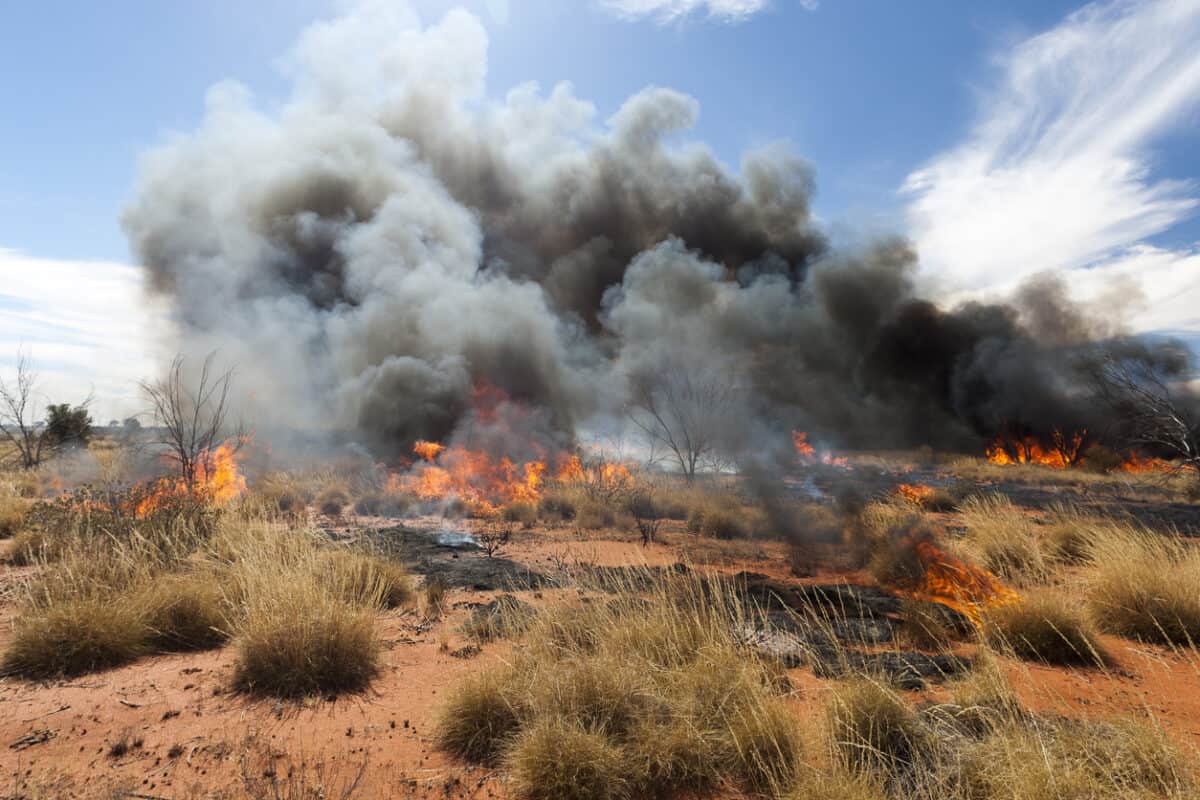
New research into working in excessive heat concisely summarises the socioeconomic impacts but misses the obvious strategies to prevent or diminish these impacts. It also includes impacts on productivity, but heat and climate change are not in the current Australian business group discussions about productivity. Those groups could benefit from understanding Gwarda.

There’s more to the Right to Disconnect than just ignoring the boss
The Australian Labor Party (ALP) conference has endorsed the concept of the right-to-disconnect, according to an article in The Australian. Sadly, the reporting on the change has a dismissive tone on what is an attempt to address the increasing costs of mental health at work. Readily accessible and recent survey data on the right-to-disconnect could have been used for a fuller analysis.
Journalist Ewin Hannan wrote:
Softly, Softly, Catch the Monkey
As with most political party conferences, occupational health and safety (OHS) is a fringe issue. OHS or safety is sometimes mentioned in the big political speeches but often as an afterthought or obligatory mention that is rarely explored to the extent it deserves. The Australian Labor Party (ALP) recently held its national conference in Brisbane. Work health and safety was mentioned.
The ALP Conference is not intended to change Australian government policies. Its aim is to review and revise the ALP Party platform; it drops what may be redundant and improves the policy platform’s relevance. The conference may indicate party member concerns to the parliamentary members, but the government’s positions are for the parliamentary members to decide.
It should come as no surprise that the ALP has again refrained from banning the import and use of engineered stone even though the silicosis risks are well-established.
Business lobbyist misses the point
Recently the Australian Industry Group Chief Executive, Innes Willox, addressed the National Press Club in Canberra. The AIGroup is one of the “go to” business groups, along with the Business Council of Australia and mining industry groups, that the business media knows will comment on anything when asked, and frequently when not asked. Willox’s August presentation was on Industrial Relations, but it also illustrates the workplace and political culture in which occupational health and safety (OHS) must operate.
“..what it means to act like a man and what it means to work safely..”
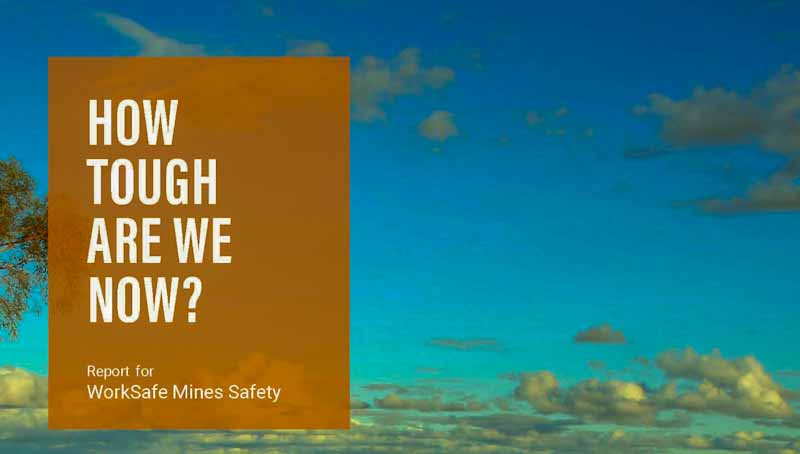
Ten years ago, I was enlightened by a presentation on masculinity and occupational health and safety (OHS) by Dean Laplonge at a safety conference in Canberra. He has continued researching that interconnection, and visiting WA and recently released his latest report written for WorkSafe WA after a series of “roadshows”.
After years of scandals in what has been described as the epitome of toxic masculinity, the West Australian mining industry claims to have changed its culture and created a psychologically safer work environment. Culture-As-Usual was not an option after multiple exposures of work-related suicides, sexual assaults, and harassment uncovered by independent and parliamentary inquiries. Laplonge revisited Western Australia and reported on the progress.