
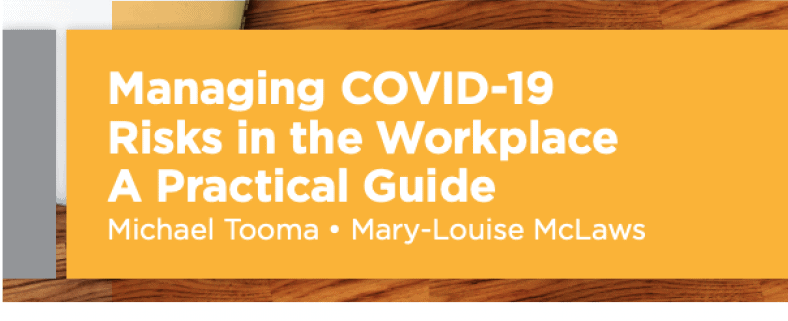
Late last year, lawyer Michael Tooma and epidemiologist Mary-Louise McLaws published “Managing COVID-19 Risks in the Workplace – A Practical Guide”. Given how COVID-19 is developing variants, one would think that such a hard copy publication would date. However, the book is structured on the occupational health and safety (OHS) obligation of managing risks, and whether the variant is Delta, Omicron or Omega (if we get that far), the OHS principles and risk management hold up.
Category: workplace

The unmentioned OHS
Occupational health and safety (OHS) people know how to fix most hazards at work but often have very little power and insufficient influence to apply the fix. That is why OHS people need to read the business sections of major newspapers and mainstream media business websites. It is there that the executives and corporate leaders discuss OHS changes, even if they never say “workplace health and safety”. An article in last weekend’s The Guardian provides a good example.
We know how to prevent burnout but we have little desire to change
Probono Australia is reporting that employee burnout is on the rise. Burnout is increasingly being used as an alternative term for mental ill-health or stress at work. The report on which the writer based their article is not surprising, but the recommendations are. The subheading for the article is:
““Structural and cultural shifts, not wellness initiatives, are needed to address the chronic workplace stress of burnout.”
But the article also pulls together other workplace mental health factors:
“The rise of digitisation has brought with it a need to ‘always be on’ and, with that, employee work-life balance has become harder to maintain. It was this type of ‘24/7 access to employees’ thinking, the study found, that led to burnout.”

Australia’s Prime Minister shows his ineffectiveness on OHS and COVID
Pragmatism was a theme of yesterday’s blog article. On January 19 2022, Prime Minister, Scott Morrison, showed political pragmatism in his press conference. His comments could create more discomfort between State and Federal jurisdiction and more occupational health and safety (OHS) confusion for business owners and employers.

Where do you see yourself in five years’ time?
Occupational health and safety (OHS) laws continue to be relevant even when operating in a time of a highly infectious pandemic, but they are increasingly sidelined.
At the moment there are labour shortages in Australia because of the large number of workers infected, and affected, by the Omicron variant of COVID-19; a shortage exacerbated by the varying isolation and testing regimes applied by the Federal and State governments. It is a bit of a mess.
It is worth reminding ourselves that employers have a duty to proved a safe and healthy work environment with the support of employees. Employees are obliged to not allow hazards to be brought to work. At the moment, some employees are being encouraged or required to return to work if they are showing no COVID-19 symptoms; if they are asymptomatic. But everyone knows from experience and official advice over the last two years that asymptomatic people can continue to be infectious. Requiring workers to return to work, as seemed to be happening at one South Australian worksite, while still potentially infectious seems contrary to both the employer’s and employee’s OHS obligations.
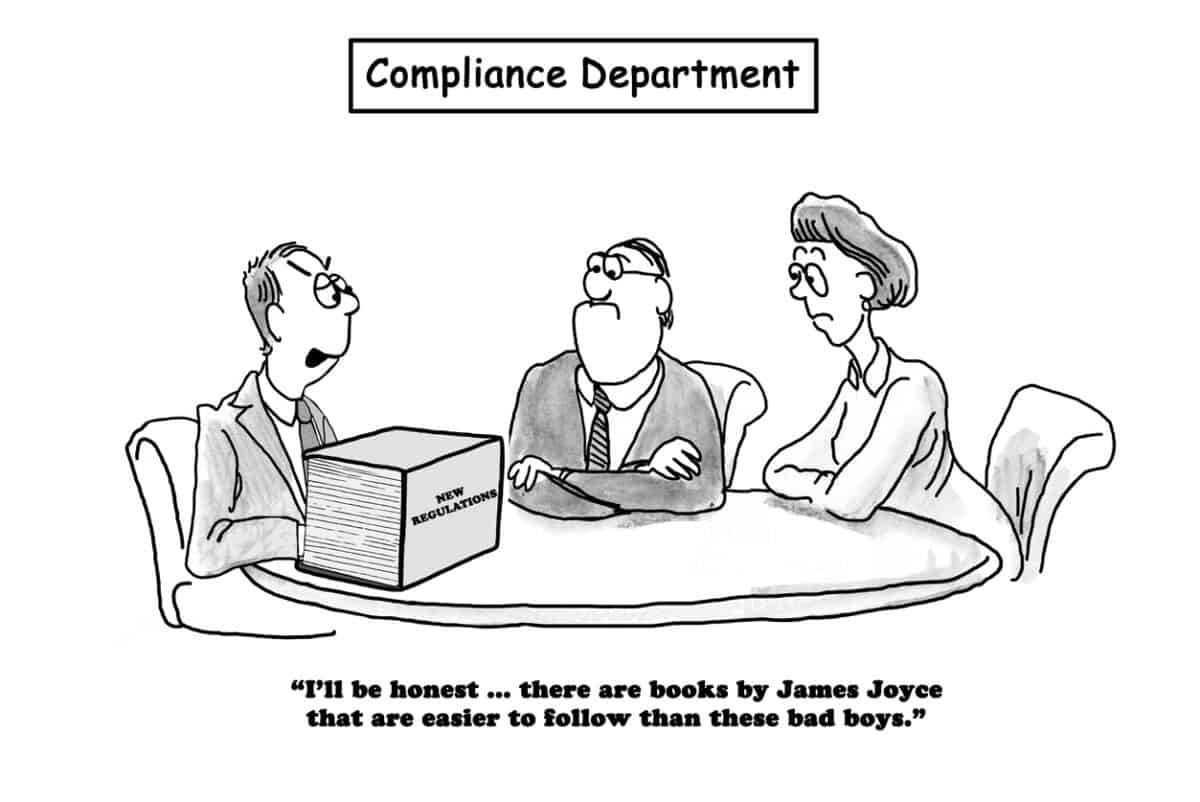
Why is the world “enthusiastic” for regulations?
Unsurprising from a global business magazine, The Economist’s special report on January 15 2002 (paywalled*) bemoaned the new “enthusiasm for regulation”. It clearly includes occupational health and safety (OHS) laws and Australia in its consideration but stops short of asking why this new enthusiasm exists.
Many regulations, especially in OHS, are proposed and introduced to address a wrong or misbehaviour or a new hazard. A major catalyst for Lord Robens‘ OHS laws in the 1970s stemmed from industrial deaths, especially those of the public. The pattern of deaths as a catalyst for change continues today with the Industrial Manslaughter laws, for instance. Another catalyst is new cultural sensitivities; what was tolerated previously is no longer acceptable.
The workplace bullying changes late last century in Australia is a good example, but this also ties in with unacceptable levels of harm. Bullying was often part of the initiation to work and seemed acceptable until workers were severely injured and traumatised, and people found out about it.
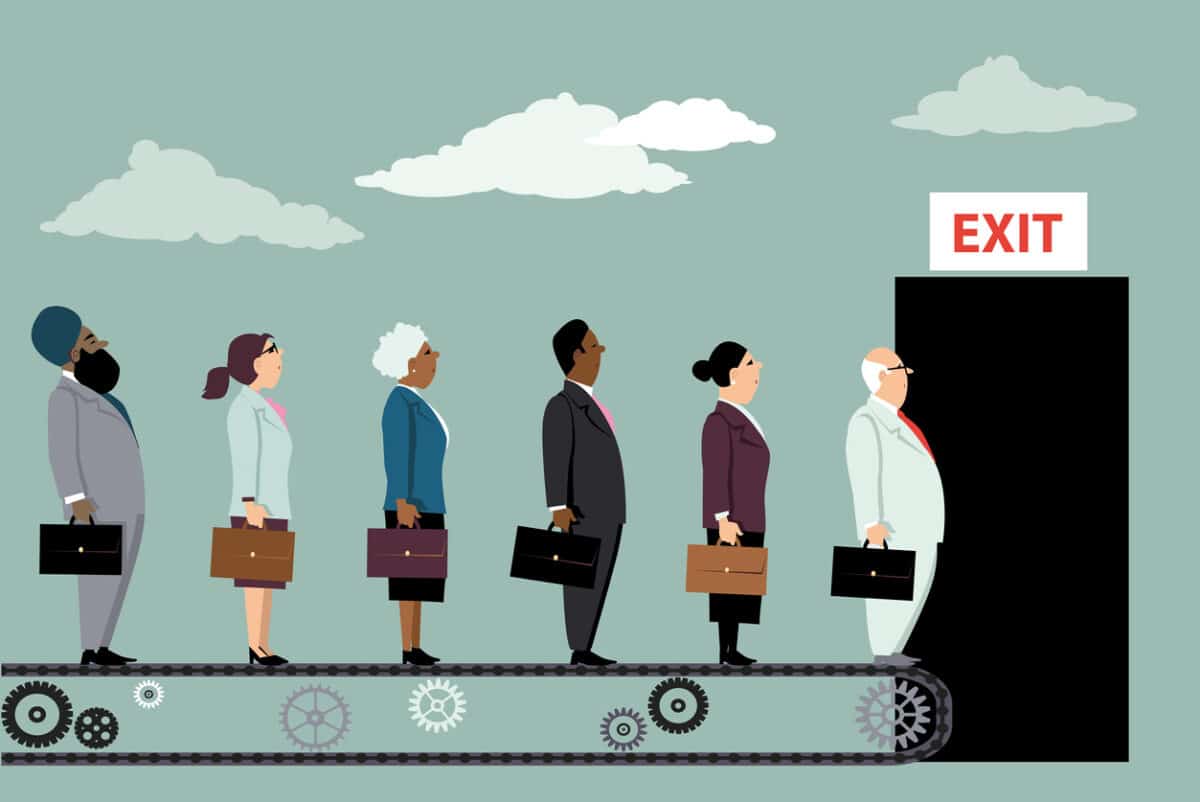
A good job is also a safe job
At the moment, “The Great Resignation” remains a United States phenomenon, but part of that movement involves a reassessment of one’s job. Is it a good job? Is it meaningful work? Is it a good job now but likely not in the future? I would include my occupational health and safety perspective (OHS) and ask if it is a safe job, but I accept that my perspective is far from universal.
Recently Sarah O’Connor wrote in the Financial Times about the importance of having a decent boss. She wrote that
“Economists are increasingly of the opinion that the quality of jobs matter as much as their quantity”