

I have written several articles on the moral foundations of occupational health and safety (OHS). This week, I sought assistance from the Bible via artificial intelligence apps, Text with Jesus and others. Below is that conversation and some useful, but synthetic, Biblical advice on managing a business safely.

Workism: Australia’s Most Socially Acceptable Form of Self‑Harm
Safe Work Australia states that :
“A psychosocial hazard is anything that could cause psychological harm (e.g. harm someone’s mental health).”
Preventing these hazards is most effective and sustainable through redesigning work, but this approach should not deny that personal decisions can also be hazardous. In the broader social and occupational contexts, it is worth considering workism as a psychosocial hazard.

Why Global Initiatives Won’t Prevent Workplace Harm
Every few years, a new global initiative arrives promising to reshape corporate behaviour. The Sustainable Development Goals (SDGs) were meant to align business with human well-being. The Global Reporting Initiative (GRI) promised transparency. ESG (Environmental, Social and Governance) reporting was sold as the market‑friendly mechanism that would finally make corporations care about people and the planet.
Yet here we are, decades into these frameworks, and the pattern of harm inside workplaces looks remarkably familiar. Catastrophic failures still occur in companies with immaculate sustainability reports. Precarious work continues to expand. Psychosocial harm is rising, not falling. And the gap between what corporations say and what they do has never been wider.
The uncomfortable truth is that these global initiatives are not designed to prevent harm. They are designed to signal responsibility without redistributing power. And harm prevention, as we know from decades of occupational health and safety (OHS) experience, is fundamentally a question of power.

Bricks + Cheese + Clutter = Safety and Health
Until recently, Donna McGeorge‘s book “Red Brick Thinking” passed me by, but her perspective aligns closely with the occupational health and safety (OHS) concepts of “safety clutter” and the Swiss cheese model.

When Work Kills and No One Counts the Dead
An open letter about workplace suicides was published to support World Mental Health Day in 2024. The research work of some of the signatories has continued and appeared in a 2026 editorial in Volume 46 of “Crisis – The Journal of Crisis Intervention and Suicide Prevention“, calling for action.
[This article, unavoidably, discusses suicide]
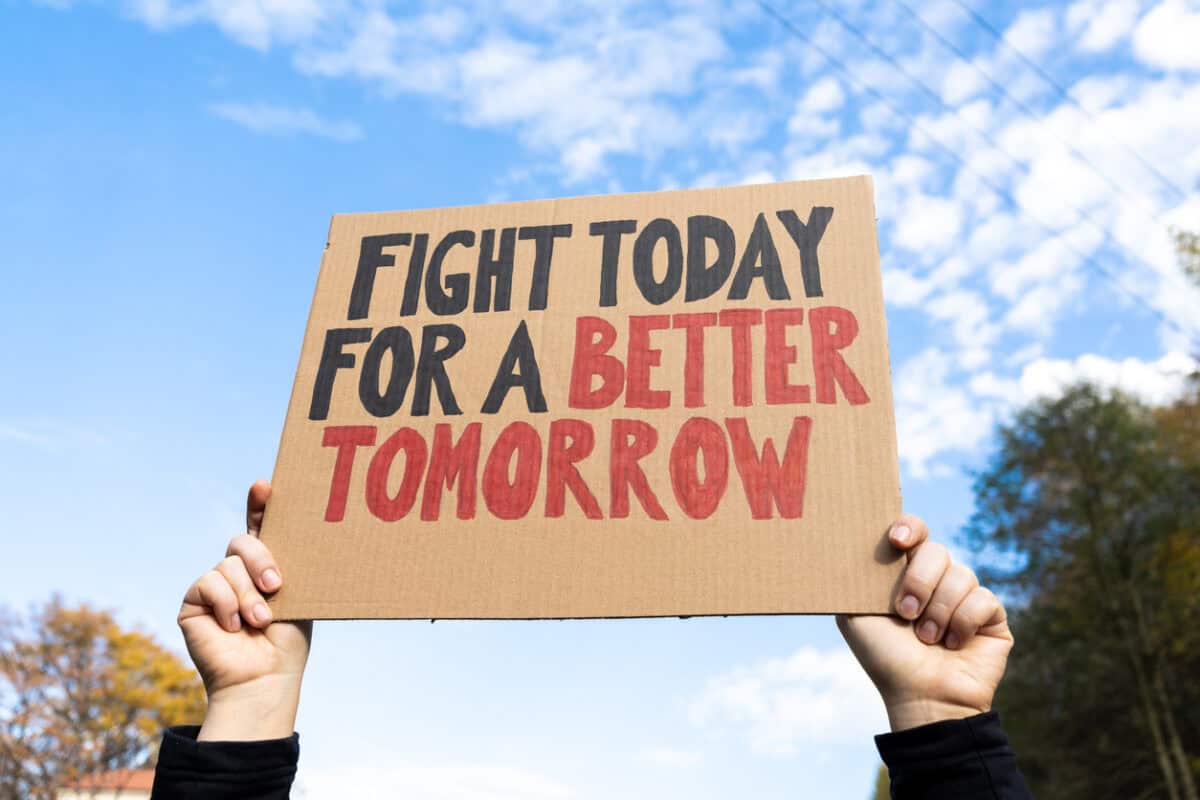
Has Having Safe and Healthy Work as a Human Right Improved OHS in Australia?
When the International Labour Organisation declared safe and healthy work a fundamental human right in 2022, Australia quietly joined a global shift that reframed workplace safety from a technical discipline to a matter of human dignity. It didn’t make headlines. It didn’t trigger a legislative overhaul. But it did change the ground rules.
The question is whether this shift has improved worker health and safety in Australia—or whether it risks becoming another layer of symbolic language sitting comfortably above the realities of work.
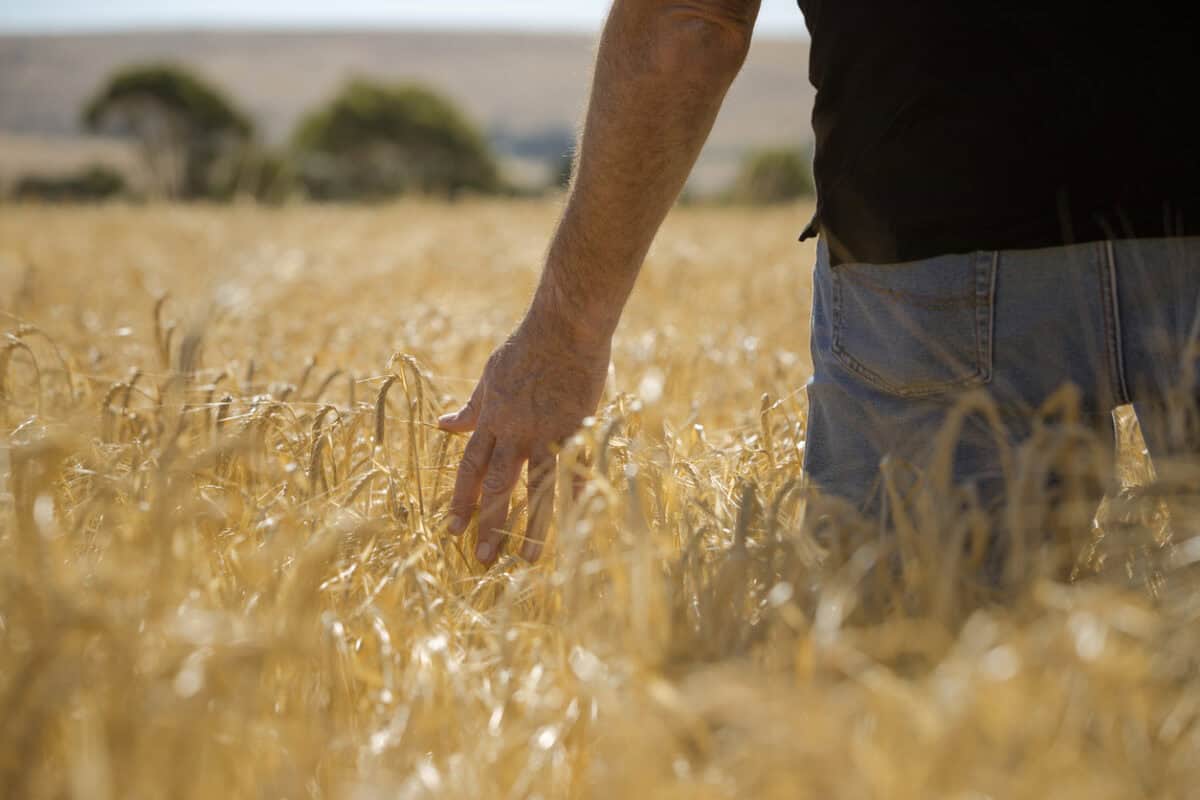
Agriculture Has the Injuries of a Regulated Industry, But Not the Regulation
Over the past few months, I have increasingly encountered the term “regulated industries” in the context of occupational health and safety (OHS) laws. In OHS in Australia, these industries seem predominantly to include:
- Construction
- Mining and
- Major Hazards.
I can identify no reason why farming should not also be a “regulated industry”.