

Psychological safety dominated the 2025 WorkSafe Victoria Awards held in late February 2026. (At somepoint, WorkSafe is going to have to bring the awards back to the Safety Month schedule of October) This is perhaps not surprising, as psychological safety and psychosocial hazards remain hot issues in Victoria, but some other important finalists shone.
Author: Kevin Jones

The Work‑From‑Home Debate Needs Less Theatre and More OHS
A recent radio forum on working from home reinforced the political motivation behind promoting it as a legal right and also highlighted the knowledge gaps we have about it. Occupational health and safety (OHS) was mentioned in the discussion, but its core significance was again downplayed.

Suicide prevention lessons from Finland
Over twenty years, Finland decreased the male suicide rate by 61%. What can the rest of us learn from that country’s achievement?
[The following article discusses the management of suicide and suicide prevention.]

Why AI Still Can’t Tell What SafetyAtWorkBlog Really Thinks
Many internet search engines and browsers offer an Artificial Intelligence (AI) search function. The answers seem palatable, convenient and accurate, but are they? I tested the AI search function to see for myself.
Continue reading “Why AI Still Can’t Tell What SafetyAtWorkBlog Really Thinks”
What the new push for Australian values means for work
Every company seems to have a Mission Statement, a Values Statement, or something similar that all employees are expected to follow and comply with. Largely, these are aspirational statements, but they are sometimes invoked when/if an employee needs to be disciplined or dismissed. The values are often vague and lend themselves to various interpretations, even though compliance is expected and is usually part of the employment contract.
At the moment, some conservative politicians, such as Angus Taylor, are emphasising the need for citizens and immigrants to commit to and comply with “Australian values”. How he plans to enforce them is unclear, but most of his proposed values have direct impacts on how occupational health and safety (OHS) is likely to be managed.

Soldiering on to Burnout is Nonsense, Unsafe and Unwise
One of the best summaries of burnout was an article in The Guardian on February 15 2026, written by Zing Tsjeng, titled “Facing meltdown? Over 75% of people suffer from burnout – here’s what you need to know” (paywalled). It has its flaws, but the selection of sources, including Christina Maslach, is impressive.
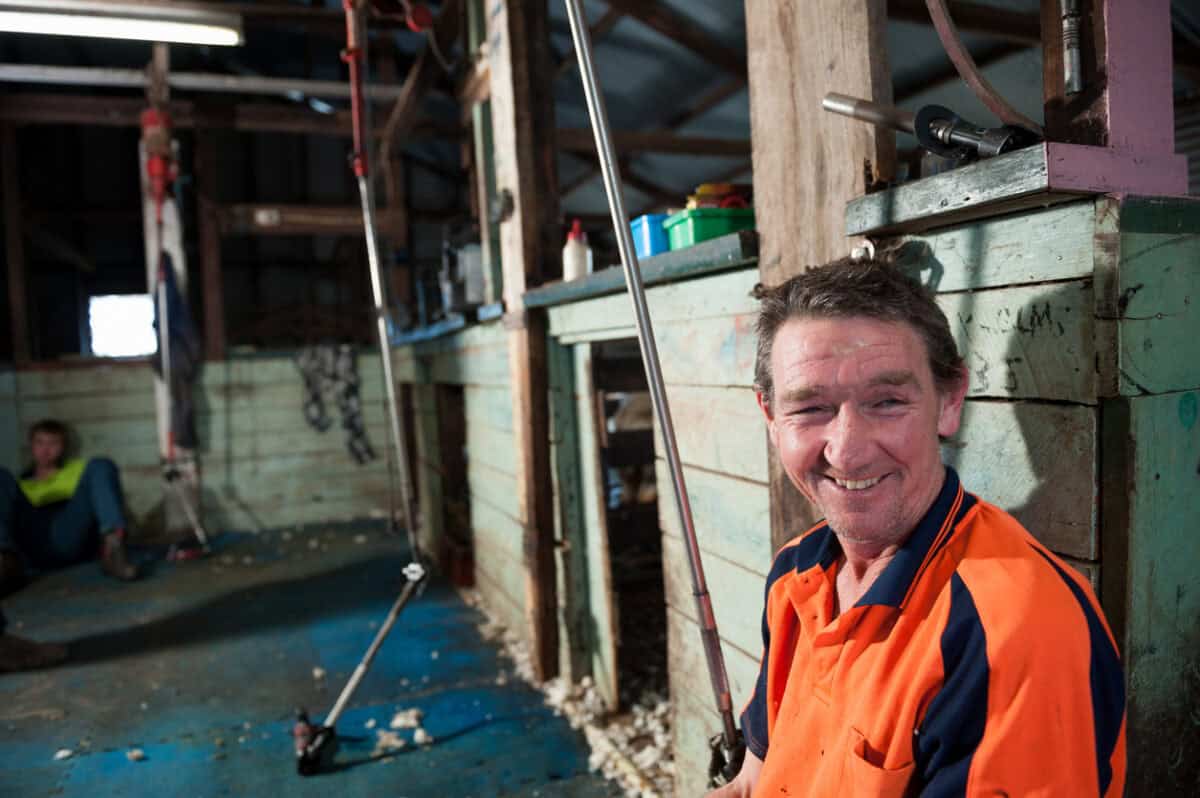
Revisiting the Human Condition of Work: Why Dignity Still Sits at the Centre of Safety
Discussions about “the human condition” rarely make it into board papers or safety strategies, yet they sit underneath almost every modern workplace challenge. Whether we’re talking about psychosocial hazards, insecure work, presenteeism, or the slow cultural erosion that comes from constant restructuring, the through‑line is unmistakable: work is a profoundly human activity, and when we forget that, harm follows.