
The challenge in addressing psychosocial hazards at work comes not from the dangers posed but from the executives’ willingness to change. Recently, David Burroughs reflected on his years of advising executives on this hazard. Burroughs’ experience of corporate responses to workplace bullying is indicative of the challenge of organisational change.
Category: absenteeism
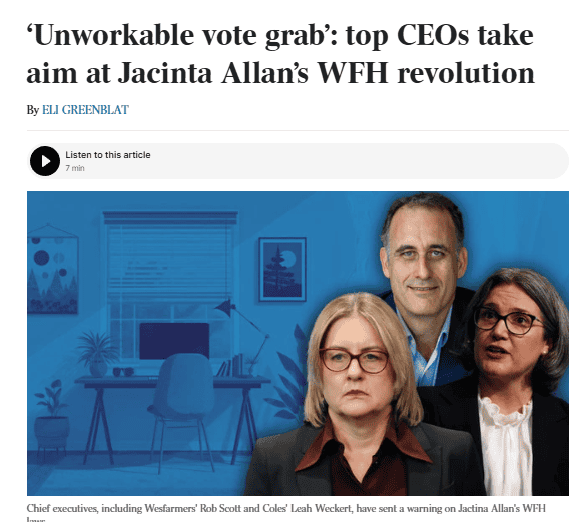
Why are the bosses’ knickers in a twist over work-from-home?
Two major Australian media outlets are continuing to focus on the issue of working from home (WFH), criticising the concept and some local political moves. WFH offers some significant mental health benefits that are being largely ignored. The front page of The Australian newspaper for September 1, 2025, provides the latest example.
Addressing Psychosocial Hazards at Work: New Incident Notification Reforms
On the afternoon of Friday, August 1, 2024, Safe Work Australia (SWA) announced important changes to the incident notification obligations in Australia’s Model Work Health and Safety laws. These changes are particularly relevant to the issues of psychological harm in workplaces and work-related suicides. I asked SWA for some clarifications on the changes and the promised guidance.
Below are the questions that I submitted to Safe Work Australia and CEO Marie Boland‘s responses.
Warning: this article discusses suicide
Do what you know is the right thing to do
Currently, Australia has an increase in hospitalisations of people with the latest COVID-19 variants and influenza. The Victorian Government, in particular, is resisting implementing a mandatory requirement for masks even though this Winter had been flagged as a season of high risk for transmissible infections, and such control measures were shown to be effective in previous years.
Regardless of the politics in the Victorian Government’s decision, and there is a lot of politics there with an election in November, what should employers do to reduce the risks of workers catching or transmitting the virus, and so maintain continuous operation and production?
Continue reading “Do what you know is the right thing to do”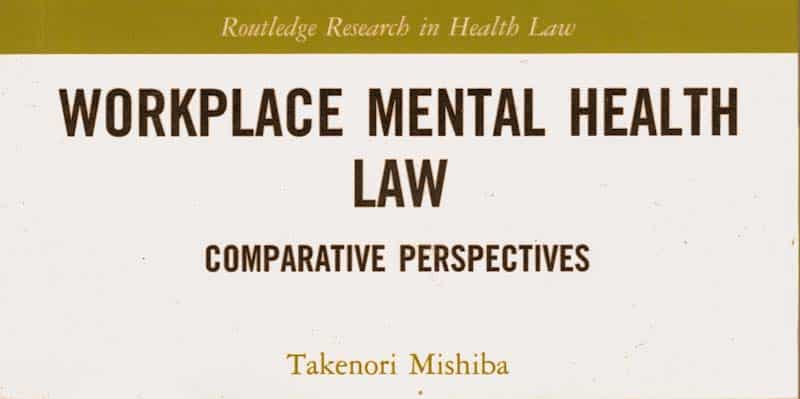
What’s not worked on workplace mental health
We need to seek alternative perspectives to better understand ourselves and our place in the world. In 2020,Takenori Mishiba wrote about comparative perspectives of workplace mental health laws. The book has been published in a more affordable paperback edition very recently. The attraction of this book is that Australia was not part of Mishiba’s research.
On the first page, Mishiba states that:
“…there is currently no precise legal definition of mental health.”
This alone should generate great concern in the occupational health and safety (OHS) discipline.

Over-emphasising the COVID pandemic
Everyone has struggled through the COVID-19 pandemic. Many have died. We have to continue to make many allowances for businesses and people due to the disruption, but some are using the pandemic as an excuse for not doing something. Occupational health and safety (OHS) inactivity is being blamed on COVID-19 in some instances, masking or skewing people’s approach to workplace health and safety more generally.
Continue reading “Over-emphasising the COVID pandemic”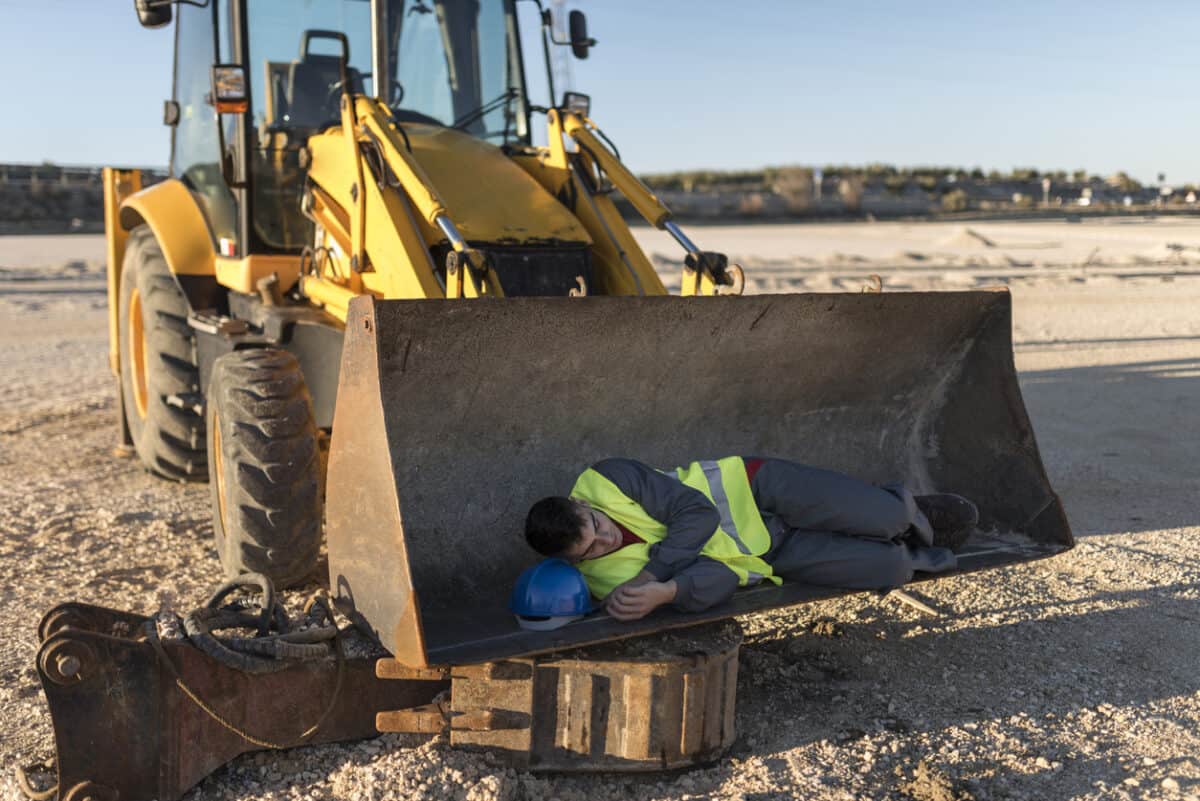
We need a revolution in how we think about working hours
If there was only one way available to improve the health and safety of workers in Australia, it would be to limit and enforce working hours to those in the official Awards and job descriptions.
This situation which would really be simply a case of working-to-rule, would need to be supported by other not unreasonable changes, in no particular order: