
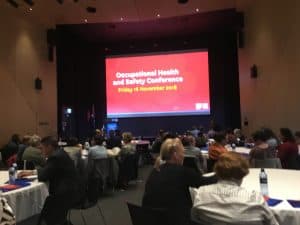
 Every industry sector should have its own occupational health and safety (OHS) conference. This allows for specific OHS topics to be presented but also provides for a broader context. The recent conference conducted by the Victorian Branch of the Australian Nursing and Midwifery Federation (ANMF) was a great example.
So close to a State election and in the lead-up to a Federal election it was not surprising that the trade union movement’s Change The Rules campaign gained attention, as did the push for the introduction of Industrial Manslaughter laws, in the presentation by Dr Paul Sutton.
The main points of his presentation are familiar and have been reported on previously but this presentation included news about two exemptions to the laws which may raise uncomfortable questions.
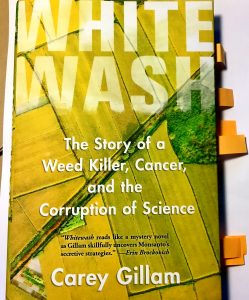 Occupational health and safety (OHS) related decisions are made on the state of knowledge about hazards and it is up to OHS people to make sure the state of knowledge is at its best so that the best decisions can be made. But what do you do if the state of knowledge on a hazard seems to be made purposely uncertain and that uncertainty is leading to the status quo, which also happens to provide a huge income for the owner of the product creating the hazard.
 On June 5 2018,
  The
The 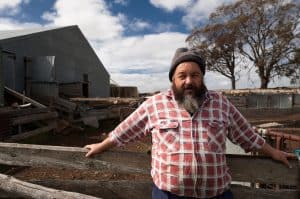 Australia’s occupational health and safety (OHS) agenda seems largely dictated by high risk industries like construction in some States and the mining sector in others. But agriculture is common to all Australia States and is consistently included in the official and unofficial workplace fatality data. New research has been released into serious farm injuries and which voices are the most effective in improving the situation.