
Occupational health and safety (OHS) returned to the Australian
Category: business
OHS cost research needs to stretch itself
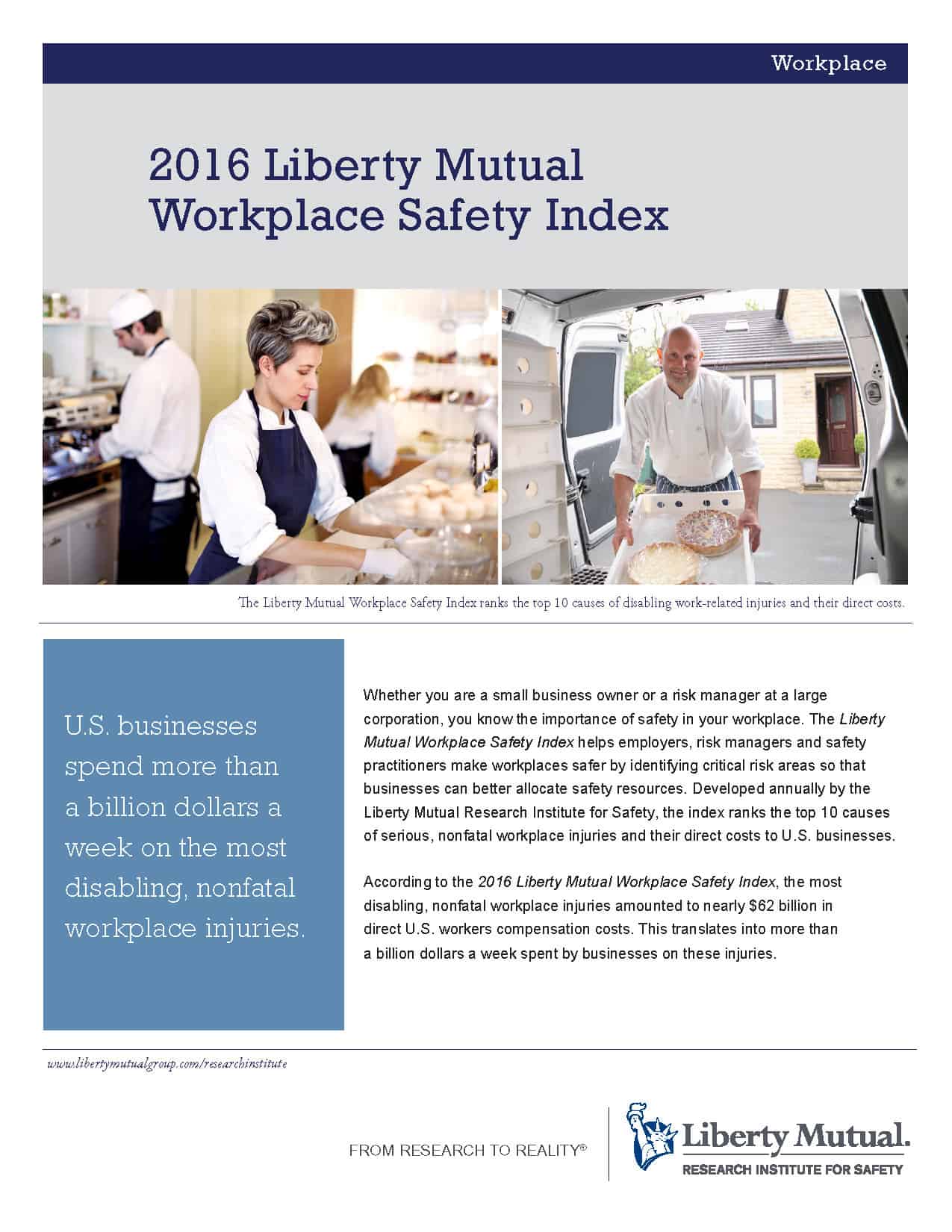 The annual workplace safety report Liberty Mutual Research Institute for Safety always gets a good deal of mainstream media attention. It deserves some of this attention as it has provided sound information on work-related injuries and injury costs for many years but it is now looking dated as it is not keeping up with current research in to the business case for safety, the move to leading indicators and the incorporation of psychosocial injuries (which are also covered by workers compensation). Continue reading “OHS cost research needs to stretch itself”
What happened to leadership?
SafeSearch has released the latest edition of its Australasian survey of occupational health and safety (OHS) salaries. A couple of years ago the recruitment company started including some qualitative questions. The latest survey generated a media release that says
“…the role of safety within an organisation is being redefined due to out-dated and ineffective strategies.”
And quoted Aaron Neilson, the company’s General Manager, saying
“Currently safety strategies are seen as a potential business burden. They are not always developed in tandem with broader business objectives, and risk being viewed as inhibitive.”
The motivation for these changes is never identified or speculated over.
Traditionally changes in the occupational health and safety (OHS) sector have originated from the existence of a hazard leading to the generation of outrage which results in legislative change. The presence of research evidence may speed up the change process. However this does not seem to be what is generating the current change in safety, according to Neilson. Continue reading “What happened to leadership?”
One view of how OHS needs to change
In a recent interview Richard Coleman states that the biggest opportunity for the occupational health and safety (OHS) profession is through health. He is another in the a long line of safety people (myself included) who advocate looking outside the traditional safety perspective to better understand safety. But health may not be the best option as the health profession can have just as much myopia as the safety profession. Continue reading “One view of how OHS needs to change”
The forgotten Royal Commission
Australia conducted a
Trade Union Royal Commission shows exploitation of OHS
 In January 2015, this blog said of Australia’s Royal Commission into Trade Union Governance and Corruption (TURC):
“Workplace safety has not been the focus of this Royal Commission but it is one of its victims”.
The Royal Commission’s final report was released on 30 December 2015, and it is time to look at the mentions of occupational health and safety (OHS), at least in Volume 1, and see how processes, decisions and reporting in the safety sector may change.
Talking about safety – old skills in new ways
Australia’s latest Prime Minister, Malcolm Turnbull, has a strong background in technology investment and is urging the country to embrace innovation. This has generated a focus on information technology start-ups but it may also create opportunities for occupational health and safety (OHS) professionals, if they are willing to change.
There has been a quick growth in