
On March 17 2023, the Australian government released the Productivity Commission’s latest 5-year Productivity Inquiry report. At well over a thousand pages, few people are going to read it to the level it deserves. Nor will I, but I have dipped into it and found a couple of important comments that relate directly to the management of occupational health and safety (OHS).
Category: business
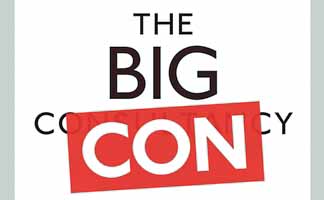
Big consultancies sully their own nest
Large consulting firms have been getting a hammering lately. Fraud, leaking information, work-related suicides, corruption, unethical behaviour……. I bet they are nostalgic for the good old days when they were primarily auditors. There are several occupational health and safety (OHS) connections with the Big4, Big3 or Big 7. Auditing is the obvious overlap, but several recent books have identified some other strange relationships with Government that affect policy that, in turn, affect OHS. This is a brief look at one of those books – The Big Con.
Hubris, thy name is HR
The Human Resources (HR) sector often feeds off itself, reinforcing what it has always done, rather than seriously looking at opportunities to improve from outside its own experience and discipline. Workplace mental health is a particular example.
Recently the Human Resources Director (HRD) website promoted a new well-being survey from AON with the headline:
“Want to boost company performance? Invest more in wellbeing – Higher wellbeing scores can enhance performance by up to 55%: Aon report”
My initial response was WTF?! But after giving up some of my identity data to the website and reading the AON Report. My surprise diminished as I realised the report was just another example of comforting a profession on a workplace issue about which it is losing control.
Odd OHS comments from the Master Builders
Every year the Australian government releases a budget explaining what it plans to do over the next 12 months or longer. Business groups and trade unions often release documents submitted to the government, although whether the government requests this is unclear. Recently the Master Builders of Australia (MBA) sent through its submission (not yet publicly available). It has some interesting comments on the responsibility for occupational health and safety (OHS) and responsibility.

Engineered stone and deadly silica risks seem here to stay
So Australia did not ban the importation of engineered stone. The Heads of Workplace Safety Authorities (HWSA) have issued a Communique and a joint media release outlining their decision. It’s a political slap in the face to the trade unions who went hard on the ban.
Many organisations supported the call to ban the importation and use of engineered stone due to the unacceptable risk associated with cutting the product. Many were strident in need for the ban. Even the Federal Minister for Workplace Relations, Tony Burke, was talking tough on the morning of the critical meeting of the Heads of Workplace Safety Authorities. So what went wrong?
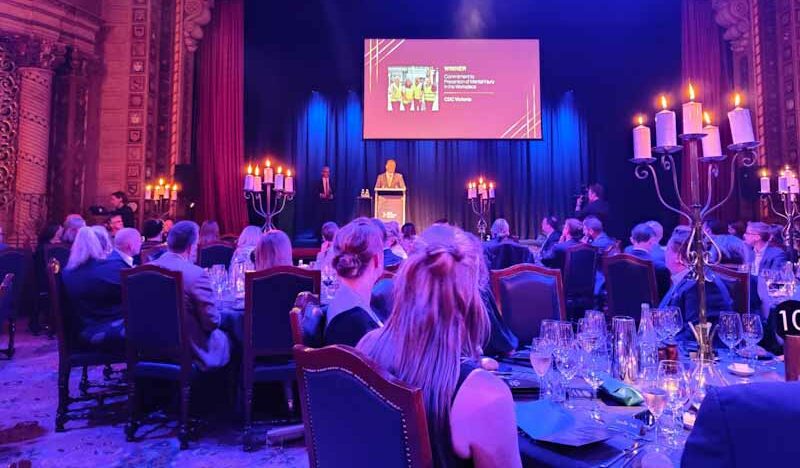
Plenty of sparkle but little spark
The latest awards night for WorkSafe Victoria achieved its scope – present awards for people and organisations who do occupational health and safety (OHS) well. Some categories are for extraordinary effort, achievements or innovation, and winning any award from WorkSafe is important to the winners, but some were flat.
Good construction and mental health article that fails to go far enough
A recent article by Aurora B. Le, Doug Trout, Ann Marie Dale, and Scott Earnest is a good introduction to the psychosocial hazards faced by construction workers in the United States. It is typical of many articles written about work health and safety generally – good information but with weak or timid solutions.