
This year, the International Labour Organisation (ILO) has released excellent information on psychosocial hazards at work to support the World Day for Safety and Health at Work. (Australian researchers seem to have been instrumental in the report) I read the report, looking for more upstream concerns, such as political and socioeconomic factors that lead employers to create or allow work overload, the most significant contributor to work-related stress. This is what I found.
Category: business

Generational Change is Coming for OHS Whether We Like It or Not
Occupational health and safety (OHS) in Australia frothed up big time about Hollnagel‘s Safety II approach and the Safety Differently movement. But as with most things OHS, the general approach was self-confined to the immediate systems of work, rather than considering the system of work as integral to the system of business or society generally. This conveniently sidestepped many of the generational differences and approaches to work that need to be faced, incorporated and managed. John F. Kennedy’s grandson, Jack Schlossberg, may be an interesting subject of study.

When Productivity Reform Stops at the Easy Bits
Regarding free access to some Australian Standards, an astute reader pointed me to a previous SafetyAtWorkBlog article from March 2023 and connected Treasurer Jim Chalmers’ 2026 Budget papers more closely to the issue of productivity and what was NOT included in the latest Budget – open access to government-funded research. At that time, I wrote:
“On March 17 2023, the Australian government released the Productivity Commission’s latest 5-year Productivity Inquiry report. At well over a thousand pages, few people are going to read it to the level it deserves. Nor will I, but I have dipped into it and found a couple of important comments that relate directly to the management of occupational health and safety (OHS).
The Standards Paywall Falls but the Politics Remain
From July 2026, the official Australian Standards for occupational health and safety (OHS) management will become freely available. According to page 142 of Budget Papers Number 2, the Australian government will
“…. provide $55.2 million over four years from 2026–27 (and $11.6 million per year ongoing) to support implementation of reforms to increase productivity.”
When Everyone’s a Leader and No One’s Accountable
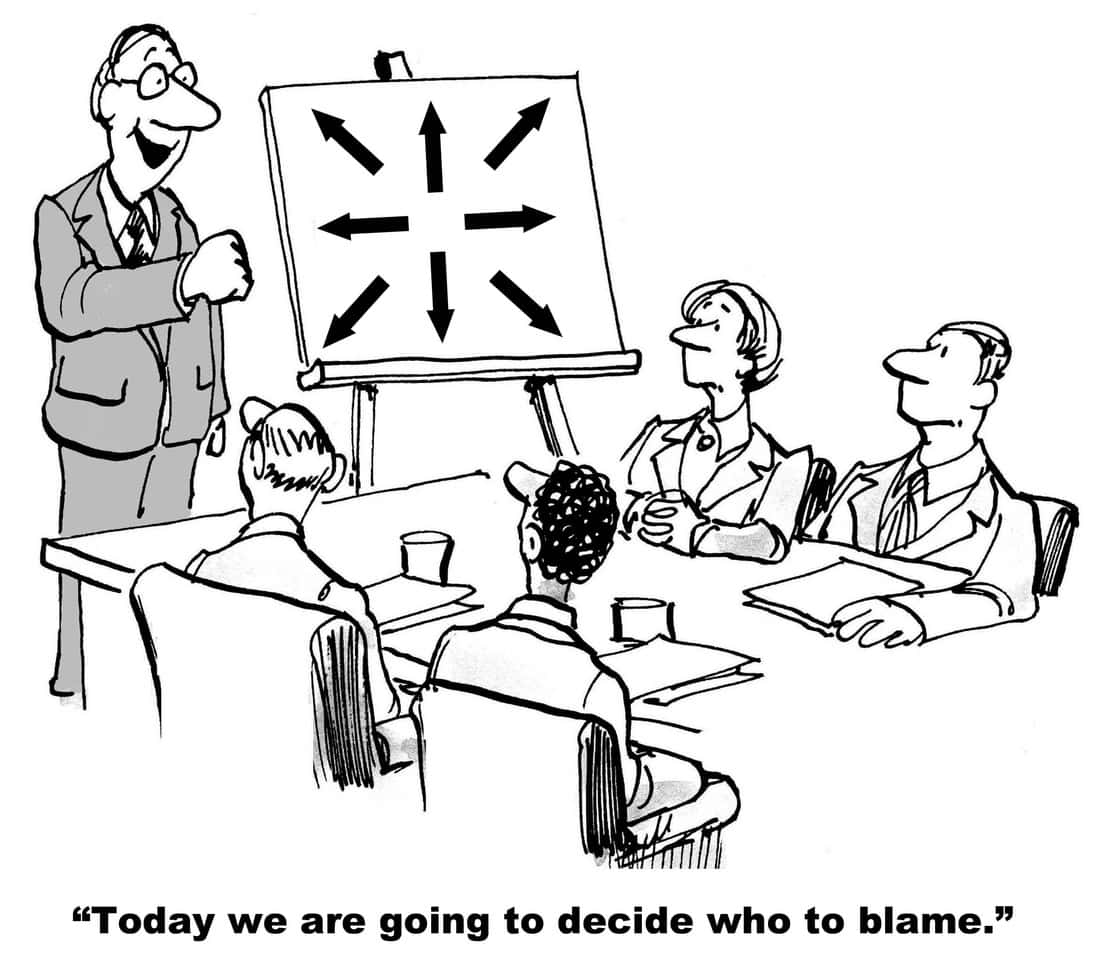
Business management advisers keep calling everyone a “leader”, but the term has become so vague it obscures who actually holds the power — and therefore the accountability — to prevent work-related harm. Psychosocial hazards aren’t fixed by slogans or culture talk; they’re shaped by decisions about workload, staffing, supervision and resources.
This article is based on my presentation to the Central Safety Group members on May 12, 2026, about leadership and occupational health and safety (OHS).
Why Great Idiots Still Shape Workplace Harm
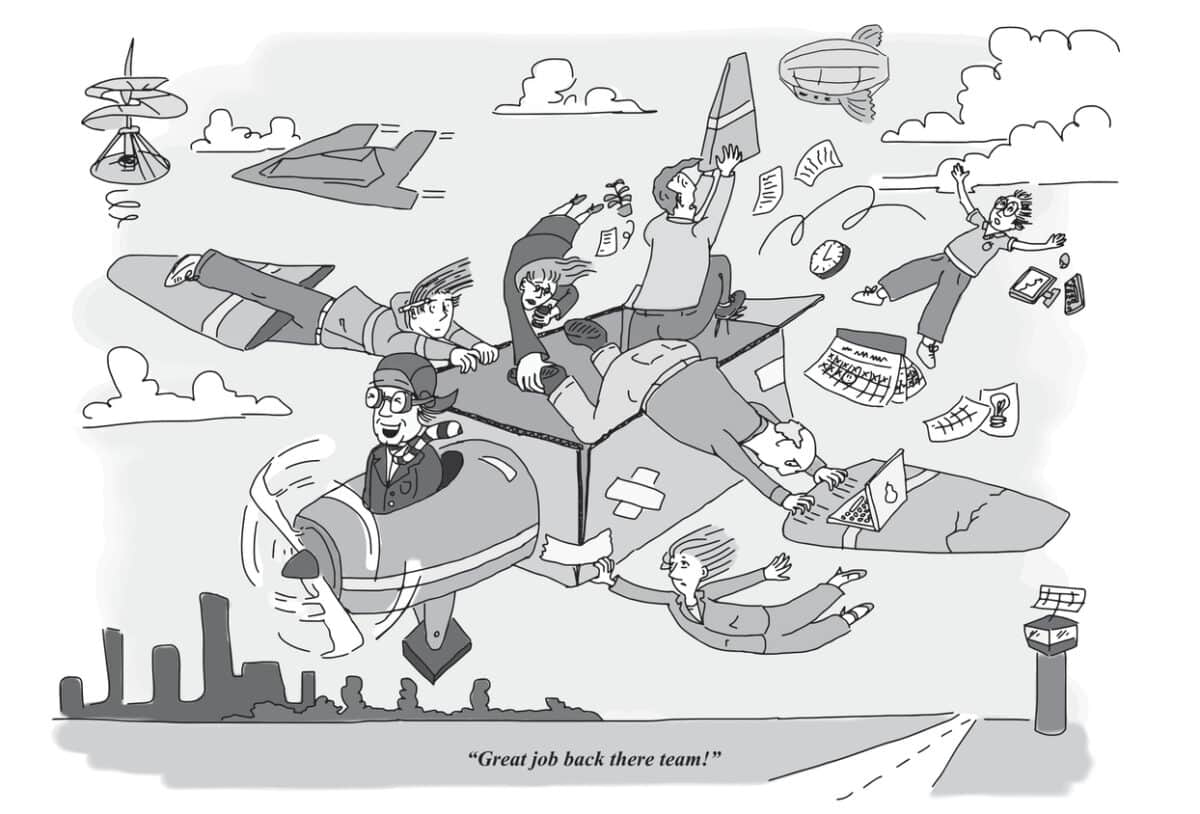
As I walk to local cafes for weekend breakfasts or to the gym (yes, I do exercise), I listen to interesting podcasts that may be relevant to occupational health and safety (OHS). (I know, I should turn off, but I can’t) A recent podcast was American Friction, which discussed President Trump (you may have heard of him). Three-quarters through, Mike Duncan discussed the “Great Idiot in History Theory”, which seems to me to offer a useful perspective on corporate executives and their approach to the work health and safety of their employees.
Compliance is Not Safety and Data is Not Wisdom
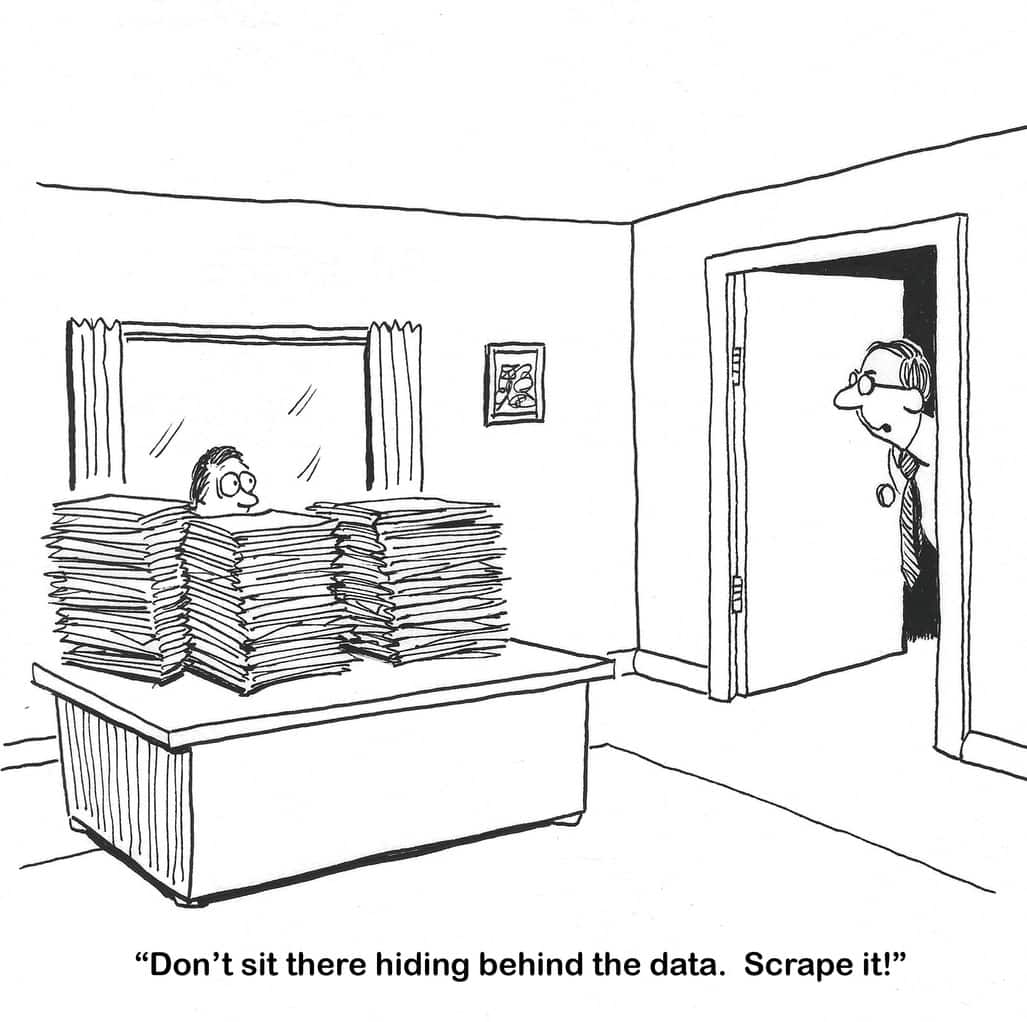
In the 1990s, there was a significant discussion about “Big Data”. Organisations had begun working digitally due to rapid technological growth and the digitisation of historical records. But the data was so large at the time that its usefulness was questionable. Big Data was of only historical and archival importance until artificial intelligence (AI) tools were developed. Now organisations can turn their Big Data into commercial products and services. International law firm Herbert Smith Freehills Kramer may be a model of the future.