

This week Forbes magazine included a peculiar article about Australian occupational health and safety (OHS) headed “If You Think Managing Worker Health And Safety Is Expensive, Try An Accident“. The article written by Susan Galer includes several curious perspectives and mentions industrial manslaughter (IM).
Category: business
Lessons for many in the prosecution of Pipecon
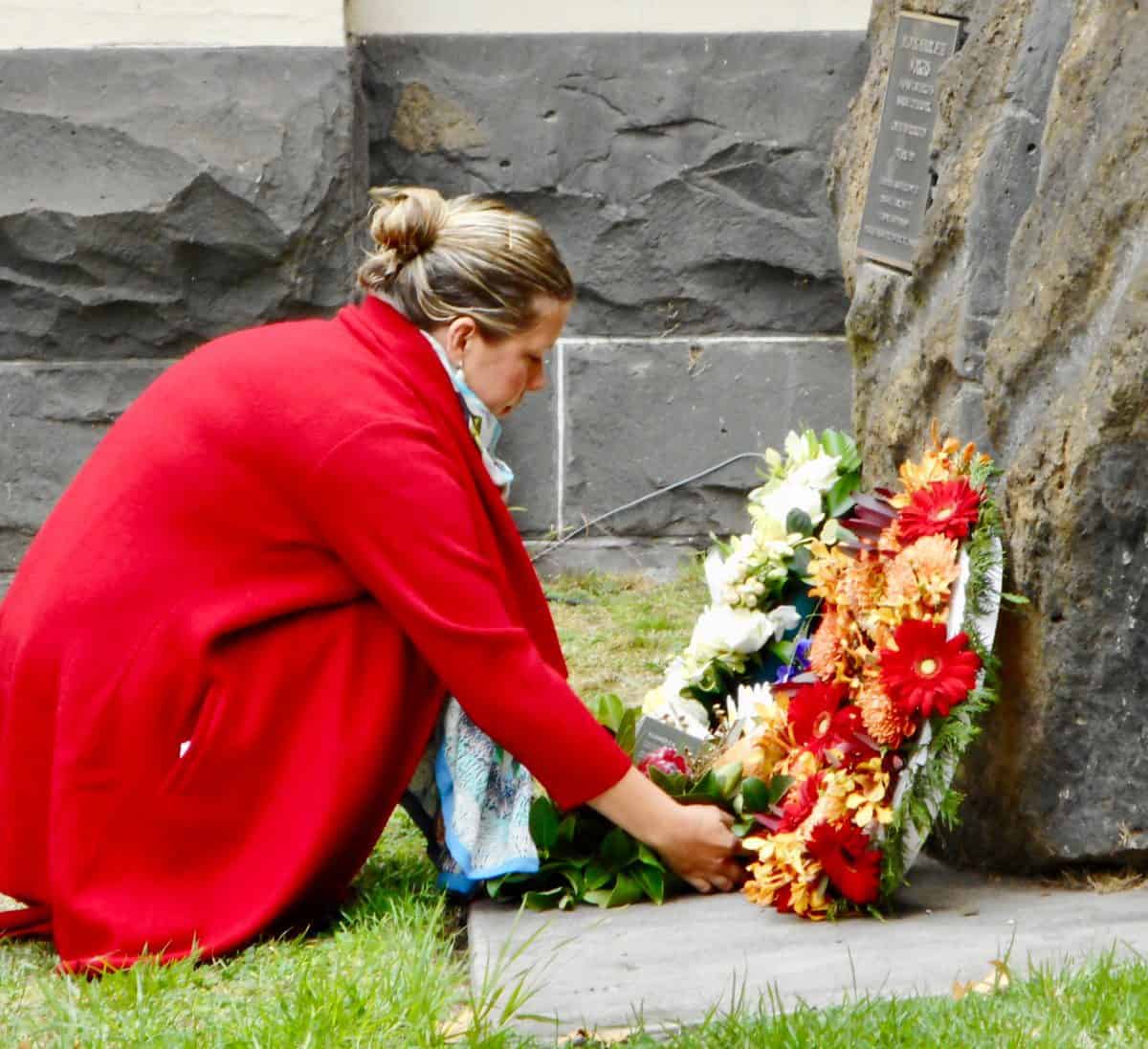
The prosecution of Pipecon over two of its workers who died in a trench collapse in March 2018 has opened in Ballarat’s County Court this week. Day one of the plea hearing was reported in the local newspapers and provided details of the circumstances of the events leading up to the deaths of Charlie Howkins and Jack Brownlee.
The investigation of Pipecon generated great bitterness in Ballarat and not only for the Howkins and Brownlee families. There were strong rumours that Pipecon would plead not guilty and argue that their workers were responsible for the trench collapse. Understandably people were angry that the responsibility for the worksite would be transferred to the dead workers.
Several weeks ago, the Court heard that Pipecon would plead guilty to breaches of the Occupational Health and Safety (OHS) Act. Those alleged breaches are being presented in the current plea hearing. As the case is being heard in the County Court, in time, additional details of the findings of the Court will be publicly released, as opposed to cases heard in the Magistrates’ Court.

Be careful of the Precautionary Principle
The Precautionary Principle has appeared regularly in SafetyAtWorkBlog articles. There is a new publication from the American Industrial Hygiene Association (AIHA) in which this principle is succinctly explained in relation to COVID-19 but equally applicable to decisions on occupational health and safety (OHS).
The new publication “The Role of the Industrial Hygienist in a Pandemic, 2nd edition” includes a chapter on the Precautionary Principle. It is the first section of that chapter that is most relevant. It says:
COVID vaccination concerns exist in workplaces too
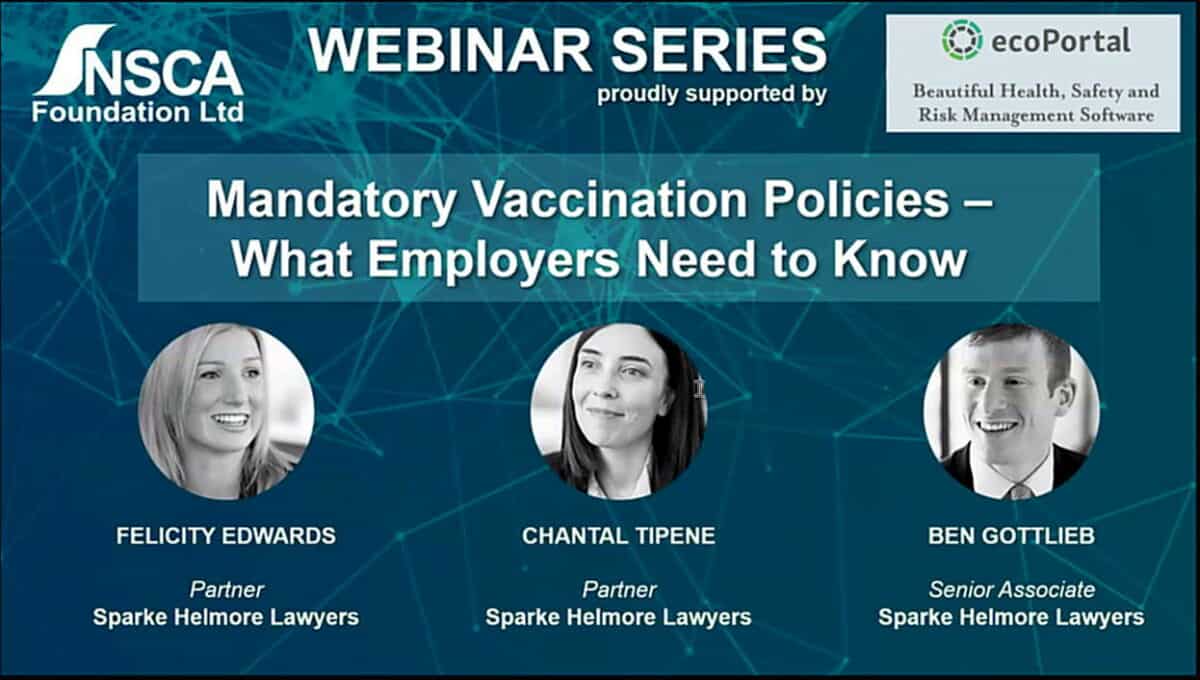
Recently NSCA Foundation conducted an online seminar on mandatory vaccinations. As happens with many online seminars, this one became more of a lecture because there was insufficient time allocated to answer the questions from the audience. The online seminar was in three sections – Occupational Health and Safety (OHS), Industrial Relations (IR) and Privacy. The information from Sparke Helmore lawyers was fine and current, but the questions from the audience provide an interesting insight on some of the main COVID vaccine challenges facing employers.
The seminar started with a useful poll. Below are the questions and results:

“as far as politically practicable”
Last week WorkSafe Victoria announced that it was prosecuting the Department of Health over breaches of its occupational health and safety (OHS) duties with the management of Victoria’s Hotel Quarantine program. There is very little information available beyond what is included in the WorkSafe media release until the filing hearing at the Magistrates’ Court on October 22 2021.
Most of the current commentary adds little and usually builds on the existing campaigns to charge (Labor) Premier Dan Andrews with Industrial Manslaughter. Still, it is worth looking at WorkSafe’s media release and the thoughts of some others.
Angry workers demanding access? OHS has got this – sort of
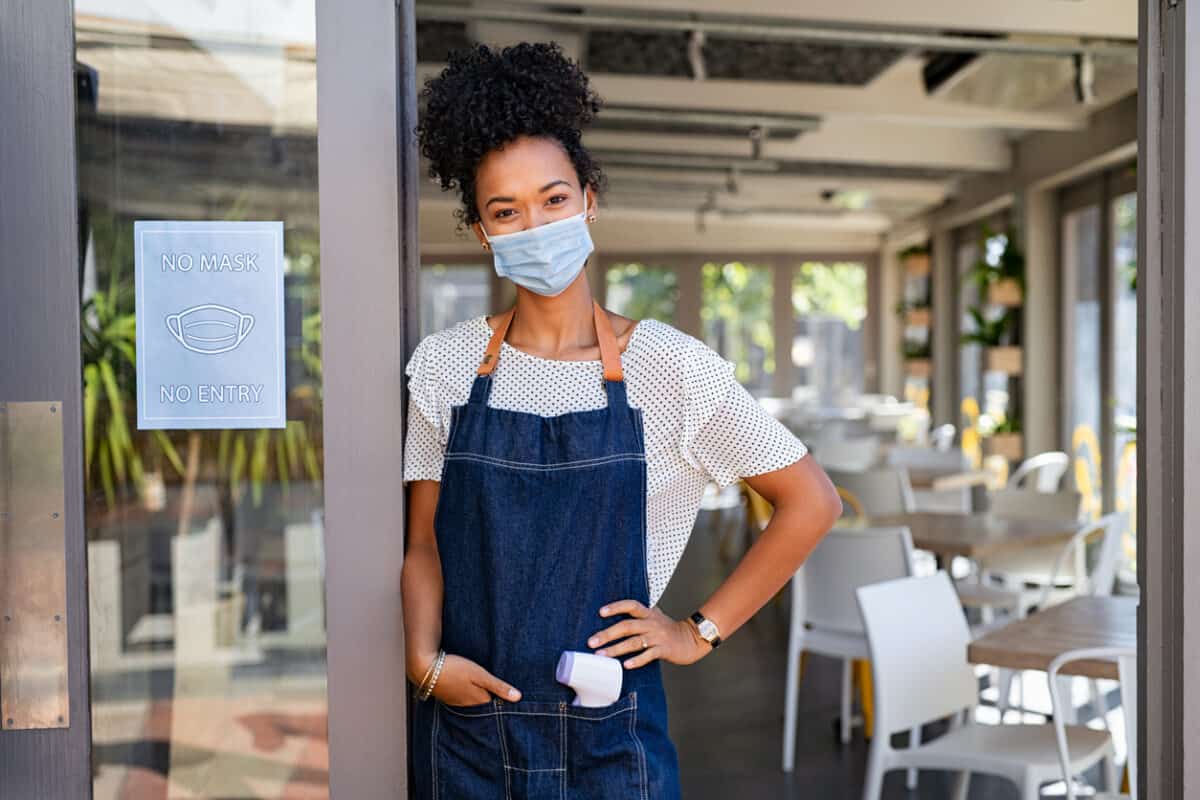
The reopening of workplaces in some Australian States is causing alarm over potential violence and abuse from those who do not meet or choose not to meet the new COVID-19 access requirements. This is perhaps most succinctly put in a recent article in The Guardian (paywalled) asking “… who will enforce rules for unvaccinated customers” – a question with which many employers are struggling.
The article discussed the expectations of employers about the rules or public health orders that they are expected to enforce but also about who can they call on if there is trouble, given there are mixed messages from the New South Wales government, in particular. (If “unprecedented” was the most used word in 2020, “mixed messages” may be the 2021 equivalent)
The enforcement question is being faced by all workplaces in all States that need to reopen under COVID-19 restrictions.

SDG beats ESG
Environmental Social Governance (ESG) initiatives are receiving a shellacking at the moment, with many of the same arguments raised against ESG’s related concept several years ago, Corporate Social Responsibility (CSR). Part of the reason these concepts are vulnerable to this criticism is that they originate from traditional managerial thinking. The local role of occupational health and safety (OHS) is all but ignored in the ESG discussion, and yet it could add some much-needed clout.
Governance consultancy, Diligent, has released a well-intentioned whitepaper that illustrates the point.