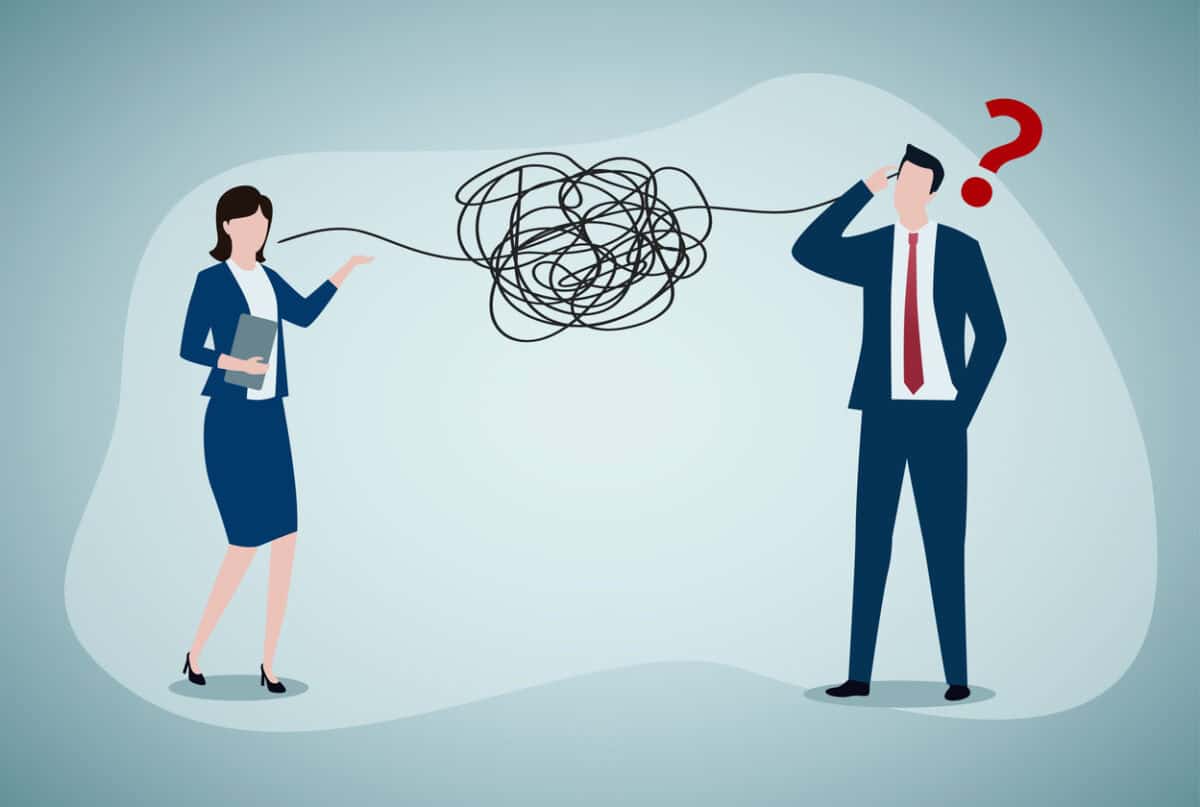
Every summer in Australia, it seems we are in crisis. Somewhere there is a bushfire, and somewhere else there are cyclones and floods. Somewhere, there are places that experience these two extremes almost at the same time. In all these circumstances, Australians expect strong, effective and compassionate leaders. These expectations affect how corporate executives behave and employ their “soft skills”.
Category: communication
Respect as a Social Obligation, Not Just a Workplace Duty
Most of you will have been able to determine some of my values from the thousands of articles I have written here, but sometimes it is worth stopping, reviewing and clarifying. I met a friend in Zurich of a different political leaning from mine last week who, in a simple way, confirmed some of my thoughts.
He said that we need to respect each other. This is not difficult, but it can create enormous conflict and anxiety, especially as we continue to learn how traditional categorisations and approaches are no longer valid and may never have been.
OHS Lessons from the Antoinette Lattouf Case
Just before Christmas in 2023, Antoinette Lattouf was taken off-air by the Australian Broadcasting Corporation halfway through her five-day contract as a radio fill-in. It sparked an acrimonious unfair dismissal dispute. Last week the Australian Labour Law Association held a webinar on the case which touched on the occupational health and safety (OHS) perspective.
Workplace Bullshittery: Laugh, Cringe, Revolt
A new Australian book could revolutionise workplace cultures and improve consultation on a range of matters, not just occupational health and safety (OHS). “Wankernomics – A Deep-Dive Into Workplace Bullshittery” should be read by every worker, especially those in offices and administrative roles.
Having worked as a safety adviser on a construction site, this book confirms how the workers saw my role. I’d like to say that you finish this book with revelations of the future, but workplace bullshittery is so pervasive and ingrained, the future is bleak.
Stop Trying to Sell Safety with GDP Statistics
The cost of work-related illness and injuries is a significant economic burden on the community. It has a tangible impact on Australia’s Gross Domestic Product (GDP), but no one really gives a shit about this. The GDP impact is a nonsense statistic in the illustration of how injuries and illnesses affect Australian businesses. The economic arguments need reframing if an improvement in workplace health and safety is the intention.
Employer Responsibility in Workplace Safety is Being Overlooked
In the ongoing debates about workplace safety, a critical question is often left unasked: What are employers doing to ensure safe and healthy work environments, and why are their responsibilities so frequently underplayed in public discourse? Too often, when workplace safety issues arise, the conversation quickly shifts to affordability and government intervention.
Continue reading “Employer Responsibility in Workplace Safety is Being Overlooked”Breaking the Silence: Dekker’s Call for Authentic Voice in OHS
Any new book from Sidney Dekker is worth reading. His latest is called “Safety Theater – How the Desire for Perfection Drives Compliance Clutter, Inauthenticity, and Accidents”. I am not sure that this book, the third in a series, offers solutions, but it reframes many of the contemporary perspectives on occupational health and health and safety (OHS), and with some intriguing connections.