
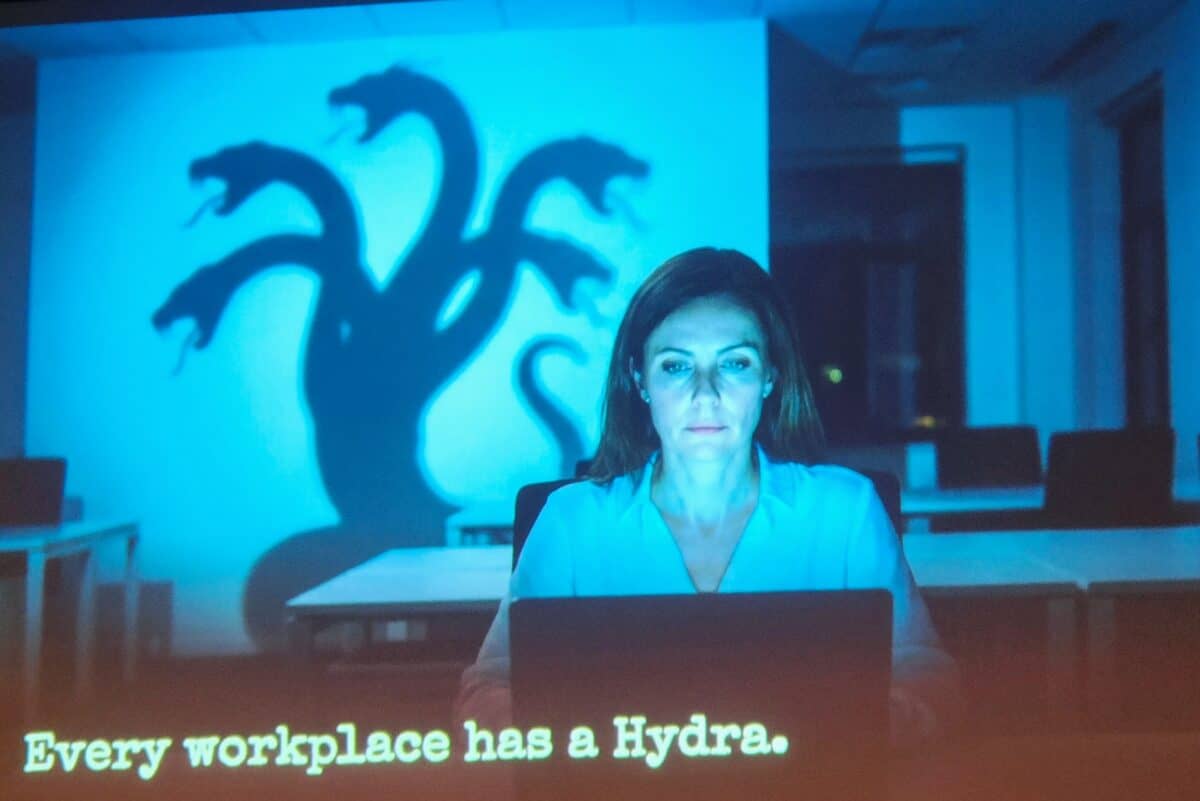
Occupational health and safety (OHS) people talk a lot, but often they preach to the choir when they need to reach a new audience. Last night, philosophy academic Dr Peter Brace provided a lecture on psychosocial hazards and psychological safety to over 50 members of a diverse audience in an upstairs room of a Richmond pub. This is what he said and what I learned.
Category: communication

A Localised Reassessment of Common Sense
“Common Sense” is a concept all occupational health and safety (OHS) professionals must address, but that doesn’t mean it’s static. My six months on Norfolk Island provided me with a new perspective.
In several blog articles on “common sense”, I found the concept a deeply unreliable foundation for OHS because it is subjective, dismissive, and routinely used to defend and mask harmful organisational habits. As one article notes,
“Common Sense often seems to be the way I think or the way I do something – ‘It’s just common sense’”,

Socioeconomic Determinants of Organisational Behaviour
The Systemic and Socioeconomic Drivers of Bullying that Employers Keep Ignoring
Workplace bullying and harassment are often described as interpersonal problems, such as a clash of personalities, a difficult manager, or a “bad apple” who spoils the barrel. This framing is convenient, familiar, and wrong. Bullying is not an individual defect. It is a systemic outcome produced by organisational structures, cultural norms, and socioeconomic pressures that make harmful conduct predictable. If employers continue to treat bullying as a behavioural characteristic rather than a structural hazard, they will keep missing the causes and potential controls, and fail to meet their legislative duty of care.
Safety Work on Norfolk Island Needed a Different Map
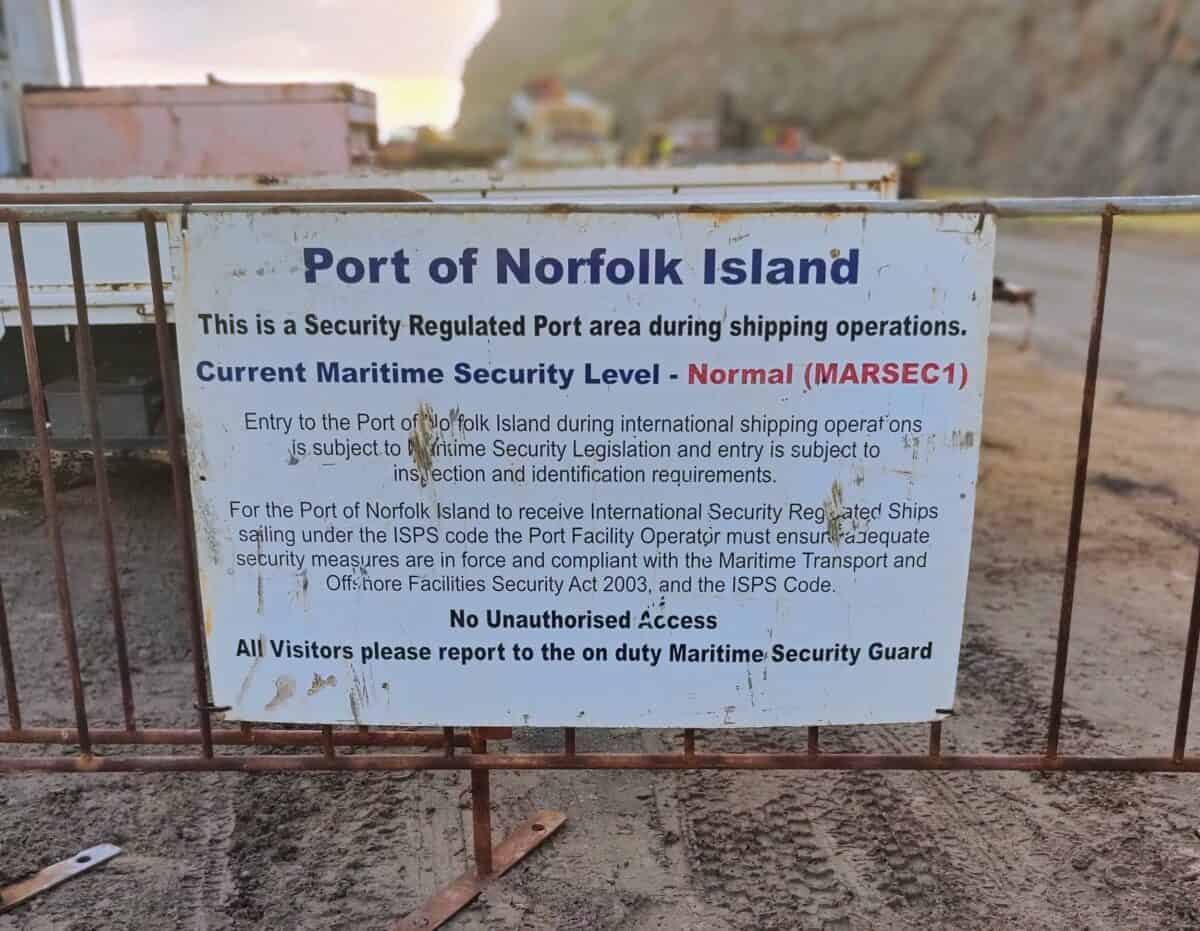
Returning to Australia after six months as a health and safety adviser on Norfolk Island has left me thinking hard about what “doing safety” really means in a remote, resource‑tight community. Norfolk Island Regional Council has cycled through several mainland advisers over the years, usually on short contracts and sometimes without an effective handover. That churn created complexity, not culpability. As I wrote in my notes at the time: “There were many safety things the Council could have done differently… but I don’t think it was doing anything wrong.”
The real issue seemed to be differing expectations – what mainland advisers thought was achievable, and what the island’s workforce actually needed.

Australia’s Migrant Majority and the New Realities for OHS
Australia is living through a demographic and economic shift that is far more consequential for workplace safety than most organisations or regulators have acknowledged. George Megalogenis’ new book, Three Shocks, identifies three structural changes reshaping the nation: Australia is now a majority‑migrant country; professional women have overtaken blue‑collar men as the largest occupational group; and the geopolitical environment that once provided stability has become unpredictable. These shocks are lived realities in workplaces, and they demand an occupational health and safety (OHS) overhaul.

Psychosocial hazards, dignity and the unfinished legacy of Brodie Panlock
By 2013, the debate over workplace bullying in Australia had moved from outrage to regulatory detail. That is often the stage where social reform either matures or dies. The draft code on preventing and responding to workplace bullying being developed at that time attracted submissions from industry and employer associations, many of which were troubling. The concern was not simply that business groups opposed a code. It was that several appeared to miss the code’s central purpose of preventing psychological harm to people at work.
Please note that this article discusses suicide and mental trauma.

Blocking and Influencing = the Challenge of OHS
Earlier this year, the Central Safety Group‘s (CSG) monthly guest speaker was Helen O’Keefe, a recruiter. She offered insights into how occupational health and safety (OHS) personnel may be perceived by certain employers. The phrase that pricked my eyes was “blocker”.