

A hugely popular radio show in Australia, hosted by Kyle Sandilands and Jackie O (Henderson), has been offensive for a long time, but offence can also be entertaining and economically lucrative. Last month, the host clashed on air, resulting in Jackie O leaving. Now there is legal action on several fronts, and psychological health and safety at work is being considered to some extent, and could/should be considered more.
Category: compliance
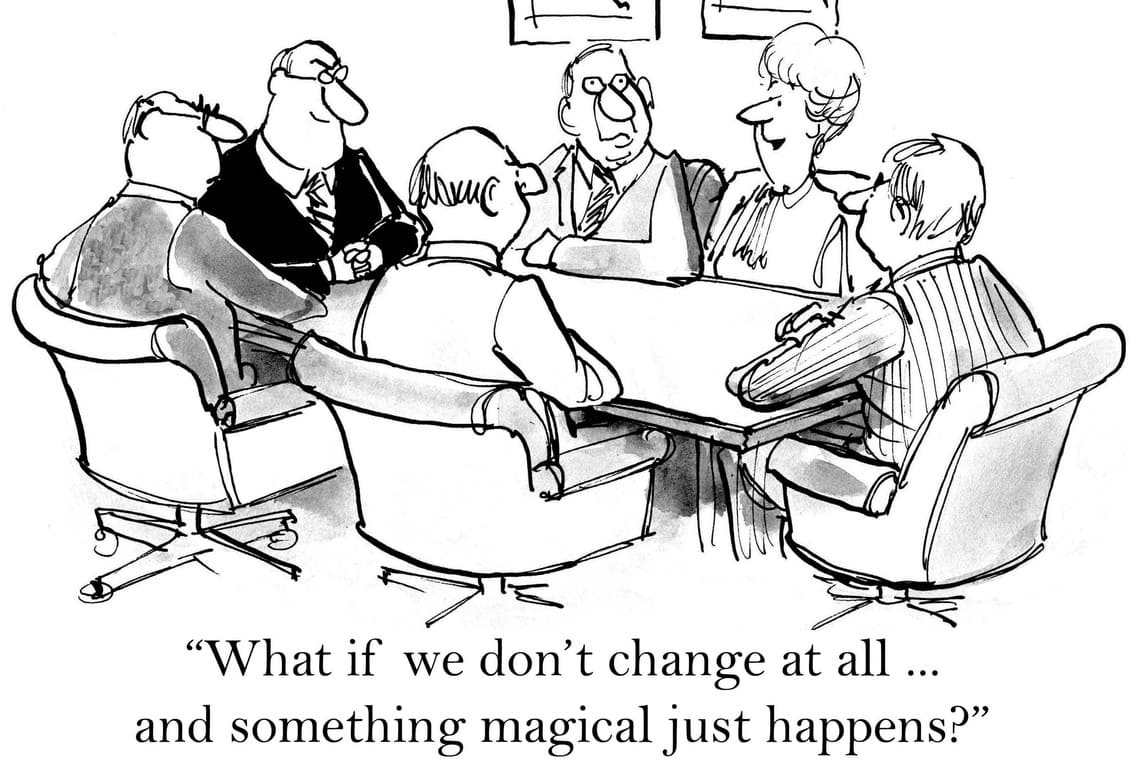
Reframing Workplace Safety as an Economic Strategy for the 2026 Budget
In just over a month, Treasurer Jim Chalmers will hand down the 2026 Federal Budget. While political attention will focus on cost‑of‑living pressures and international instability, the Budget also presents an opportunity to rethink how Australia could treat occupational health and safety (OHS) as an economic lever instead of just a business cost.
Ask not what your country can do for you; ask what you can do for your country
Safe Work Australia has just published a summary report of its review into best practice. It is a curious document, essentially a summary of the perspectives of many organisations interested in occupational health and safety (OHS), particularly regarding OHS laws. It is an important distinction that this review was not about OHS but the laws that we use to provide safe and healthy work.

The Quad Bike Death That Could Have Happened Any Year
Earlier this month, I was critical of occupational health and safety (OHS) and farmers and asked
“So what can WorkSafe teach them about safety that farmers don’t already know?”
The death of dairy farmer Brad Collins following an incident involving a quad bike is the type of death that could have occurred and been reported at any time over the last few decades. Surely, a change in the cultures of farming, safety, and enforcement is required? Are we at “peak safety” on the deaths of farmers from quad bikes? Can nothing more be done?

What the new push for Australian values means for work
Every company seems to have a Mission Statement, a Values Statement, or something similar that all employees are expected to follow and comply with. Largely, these are aspirational statements, but they are sometimes invoked when/if an employee needs to be disciplined or dismissed. The values are often vague and lend themselves to various interpretations, even though compliance is expected and is usually part of the employment contract.
At the moment, some conservative politicians, such as Angus Taylor, are emphasising the need for citizens and immigrants to commit to and comply with “Australian values”. How he plans to enforce them is unclear, but most of his proposed values have direct impacts on how occupational health and safety (OHS) is likely to be managed.
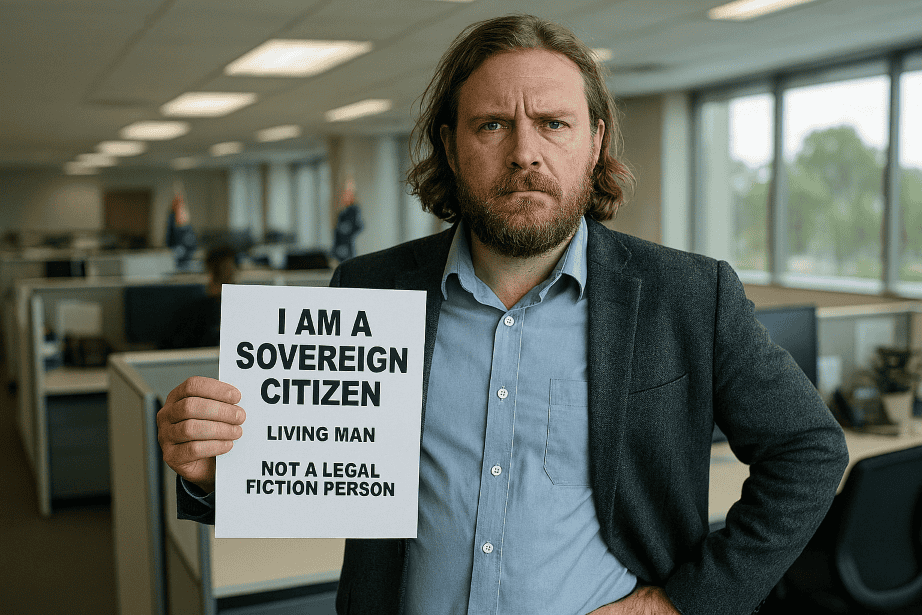
Sovereign Citizens and Work Health and Safety
In Australia, the sovereign citizen movement has gained strength for some time, particularly since the COVID-19 pandemic. It is also, according to The Age newspaper recently, creating administrative problems for the courts – Flash juries and Bible verses: How sovereign citizens clog up Australian courts (paywalled). I began considering how I would manage a worker who held sovereign-citizen beliefs and might object to certain policies and directives used in the occupational health and safety (OHS) context.
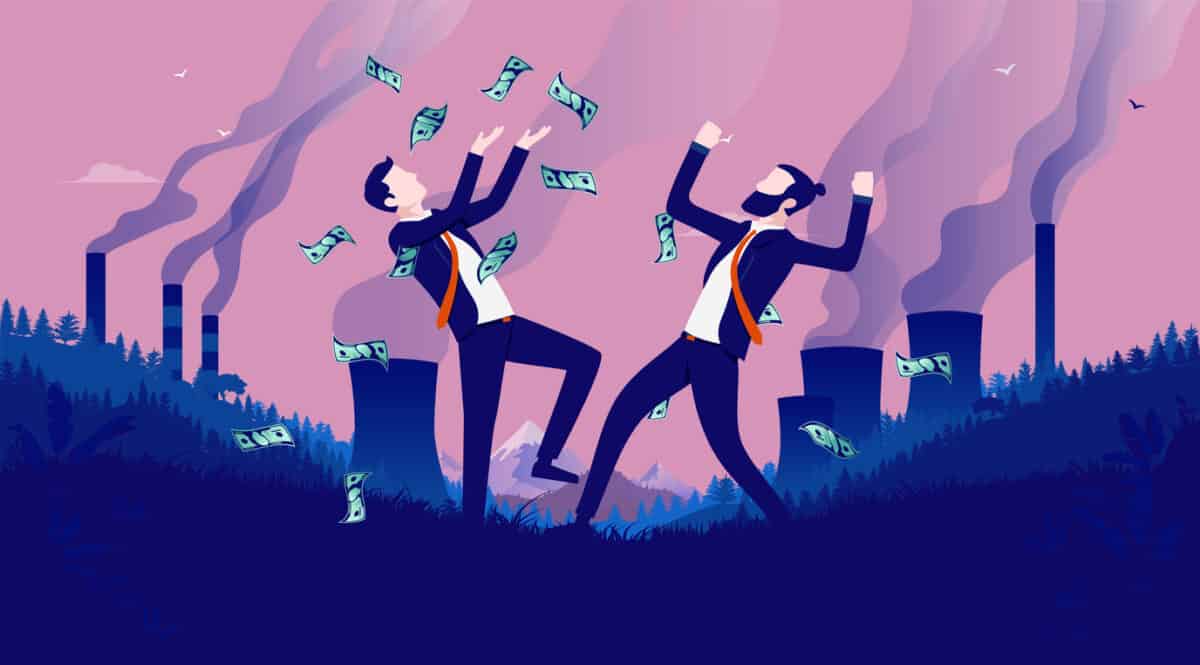
Why Corporations Reject the Models That Would Prevent Harm
Walk through any corporate sustainability report and you’ll find the same familiar choreography: a glossy declaration of “unwavering commitment to safety,” a handful of photos featuring smiling workers in immaculate PPE, and a CEO foreword that reads like it was written by a risk‑averse committee. What you won’t find is any serious engagement with the economic structures that produce harm in the first place.
For decades, scholars have been mapping the relationship between capitalism and workplace injury. They’ve shown, with depressing consistency, that harm is not an aberration but a predictable by‑product of systems designed to extract value from labour while externalising risk. Yet when these same scholars propose alternative models — models that would reduce harm by redistributing power, stabilising labour markets, or democratising decision‑making — executives respond with a familiar repertoire of excuses.
This article examines why. In a couple of real-world case studies, corporations were presented with opportunities to adopt safer, fairer, more accountable models — and chose not to.
Because the truth is simple: executives don’t reject these proposals because they’re unworkable. They reject them because they work exactly as intended.