
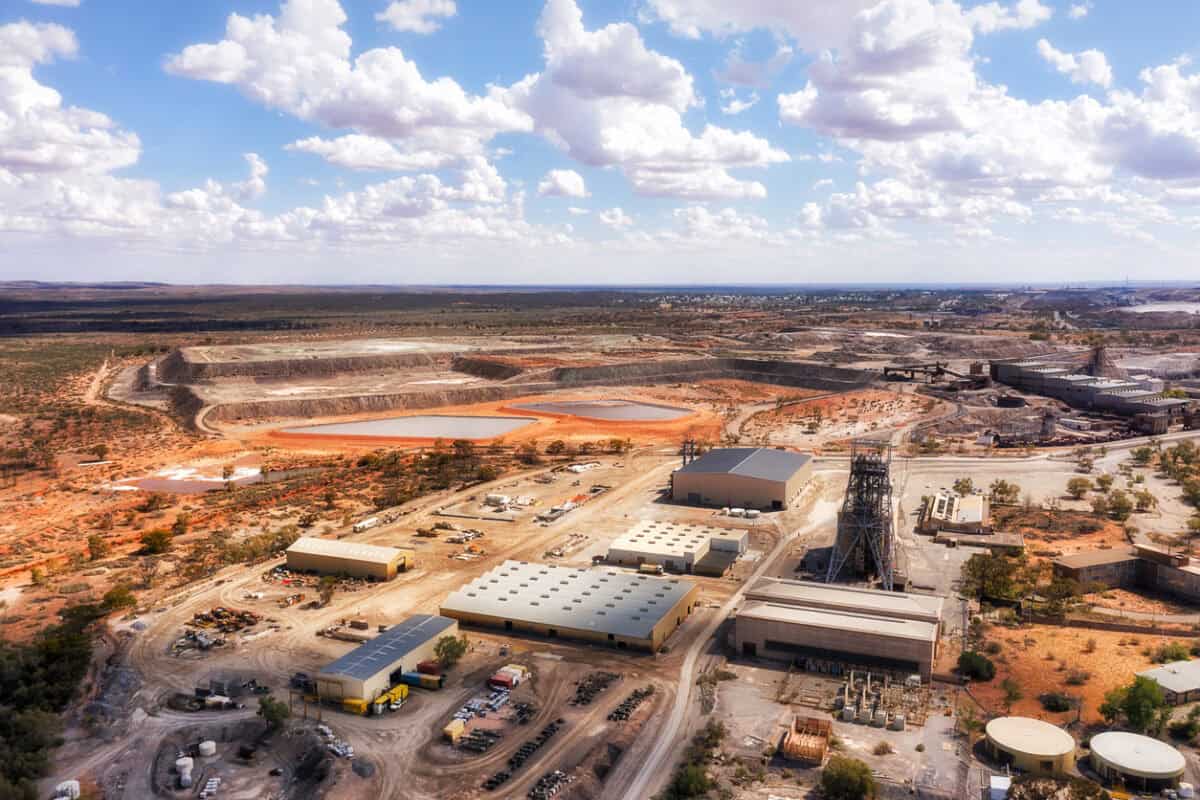
In December 2025, New South Wales’ Resources Regulator issued a Safety Bulletin to the mining industry about the late reporting of psychosocial incidents. That Regulator has required notification of this type of incident since February 2025. The mystery remains, though, about why these notifications were delayed.
Category: compliance

We let people off the hook when we keep talking about organisations and corporations
Over the last few decades, occupational health and safety (OHS) thinking has emphasised that the tangible hazards and risks at work are primarily created by unsafe systems of work or by poor organisational culture or maturity.
I am not sure that “organisational” is the most appropriate adjective. There are better alternatives: terms that re-humanise the decision-making process and acknowledge that culture comprises people.

Who is responsible?
Another nightclub fire due to pyrotechnics resulted in many deaths and injuries. Investigations have started, and there is a scramble about who was responsible for not reducing the risks of this type of incident.
The Australian Financial Review reported (via the New York Times and paywalled) on the lack of regulatory enforcement by local authorities.

Working Hot and Thinking Smart
In 2021, Safe Work Australia released a model Code of Practice (CoP) for Working in Extreme Heat. The latest iteration of that code was released by the Australian Capital Territory on November 7, 2025. It is greatly expanded and much clearer on the prevention and management of exposures. When companies are claiming “best practice” safety, this CoP is particularly interesting.

What changes does Leadership Require
In the landscape of occupational health and safety (OHS), executive leadership is often framed through the lens of compliance. However, as I and others have long argued, the law is the minimum; leadership must aim higher. Across hundreds of SafetyAtWorkBlog articles, a consistent theme emerges – safety leadership must evolve from bureaucratic oversight to moral accountability.
Continue reading “What changes does Leadership Require”
A Notable Omission in Burnout Talk
A recent radio/podcast discussion about burnout was instructional and frustrating. The November 7, 2025, episode of This Working Life was based on interviews with organisational psychologist Ben Searle and clinical psychologist Luke Martin about workplace burnout.
Safety Behaviour – Beyond Compliance in the Modern Workplace
Safety behaviour is often discussed in terms of compliance—whether workers follow procedures, wear protective equipment, or report hazards. Yet, this view only scratches the surface of what safety behaviour truly means in today’s complex organisational environments. At its core, safety behaviour encompasses the observable actions and decisions individuals make that either promote or compromise health and safety. These actions are shaped not just by rules, but by a rich tapestry of social norms, leadership expectations, and the perceived consequences of speaking up or staying silent.