What does a psychological near miss look like?

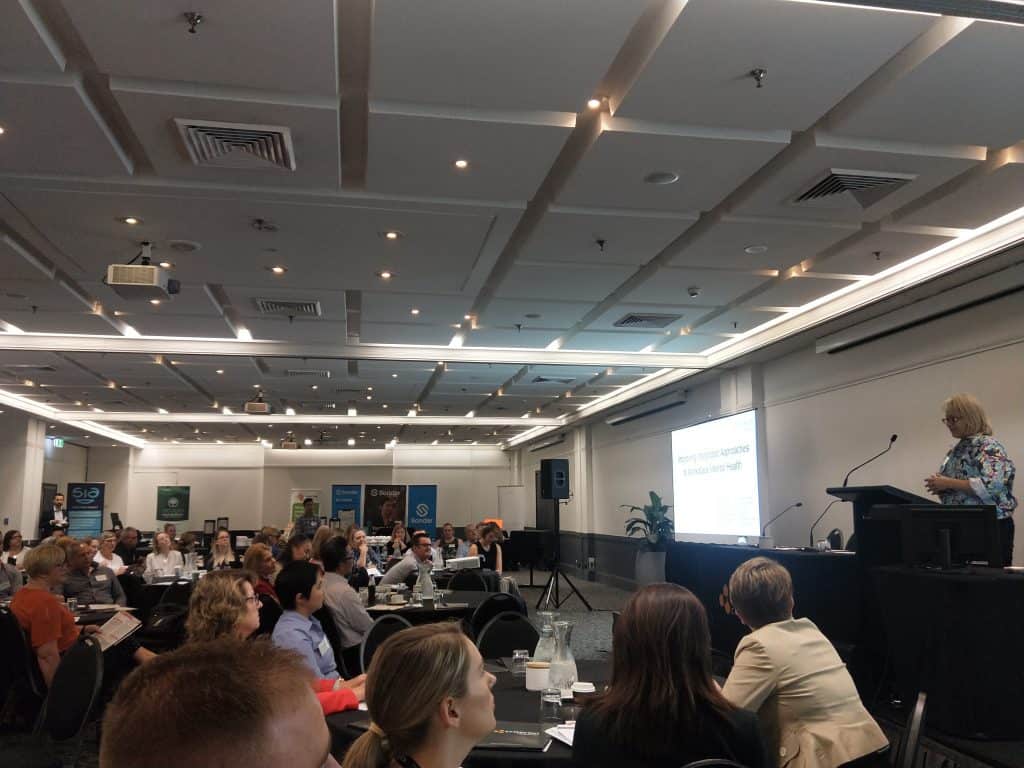
This week a workplace mental conference has been running in Sydney with some excellent speakers. The theme is to improve integrated approaches to workplace mental health in the belief that progress can be most effective when workplace silos and professional disciplines share information and actively listen.

However, resistance to change continues and silos continue to exist even if the interconnecting bridges are half-formed. One half-formed bridge was illustrated when I put this question to a panel discussion:

“What does a psychological near-miss look like?”

Subscribe to SafetyAtWorkBlog to continue reading.
Subscribe Help
Already a member? Log in here

Political Science (finally) comes to OHS

Improvement in occupational health and safety (OHS) standards has always been the intention of OHS laws. Parallel to this is the intention of the OHS, and allied, professions to continuously improve health and safety through the prevention of harm. However, political leadership on OHS has been scarce over the last few years, especially in the national governments of the United Kingdom, the United States and Australia. So, it is necessary to look beyond the party politics to other sources of change.

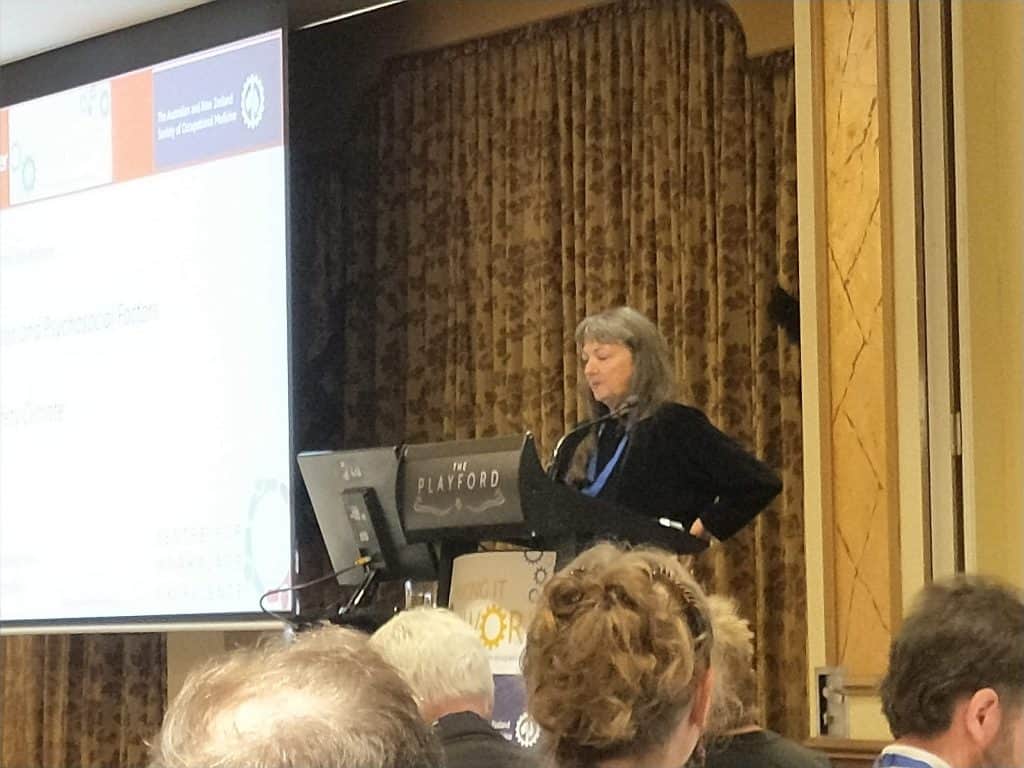
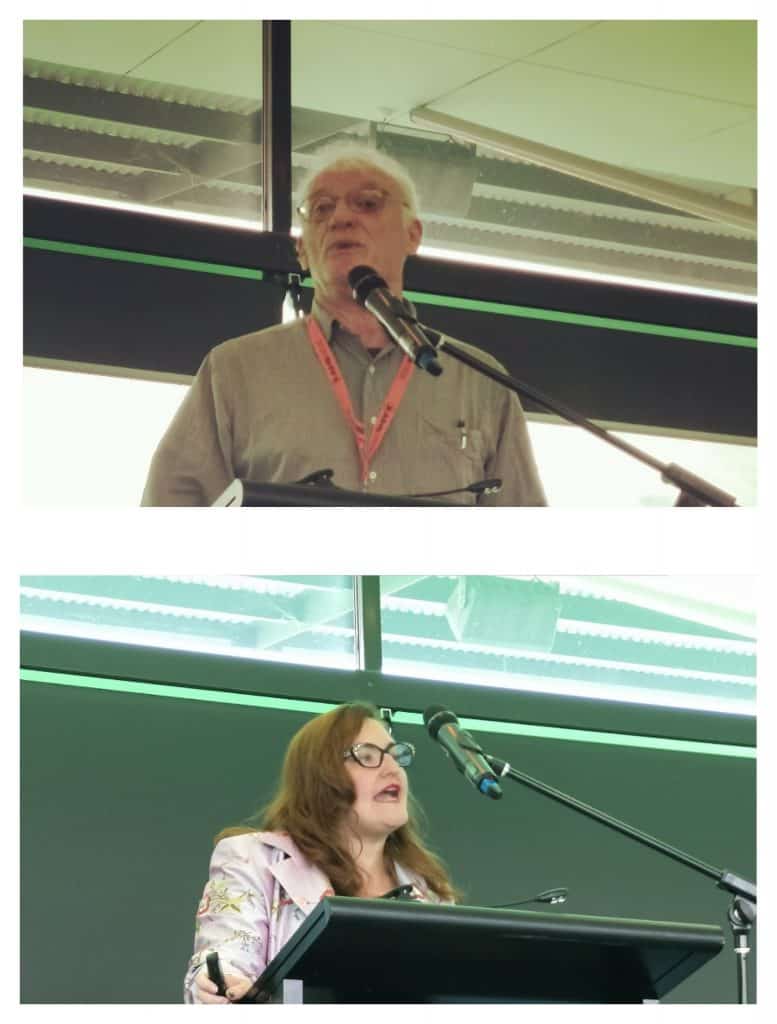
Professor Maureen Dollard speaking at the 2019 ANZSOM Scientific Meeting in Adelaide

At the recent scientific meeting of the Australia and New Zealand Society of Occupational Medicine in Adelaide, prominent academic, Professor Maureen Dollard, introduced a much- needed element of political science into her presentation which was titled “Work Organisation and Psychosocial Factors”. SafetyAtWorkBlog was able to ask Dollard, and fellow presenter Professor Sally Ferguson, about this political context.

Subscribe to SafetyAtWorkBlog to continue reading.
Subscribe Help
Already a member? Log in here

Silicosis – “we need to licence the industry and we need to regulate the product”

Last year the Scientific Meeting of the Australia and New Zealand Society of Occupational Medicine (ANZSOM) had a fiery discussion on the occupational health and safety (OHS) risks of cutting engineered stone.  The status has changed a lot over 12 months with various Codes of Practice, new exposure limits, a National Dust Disease Taskforce and lobbying from Erin Brockovich.  However the risk of worker exposure seems too have not changed this much because it is employers who are responsible for safe workplaces and there are many layers of OHS-related communication between research and practical application.

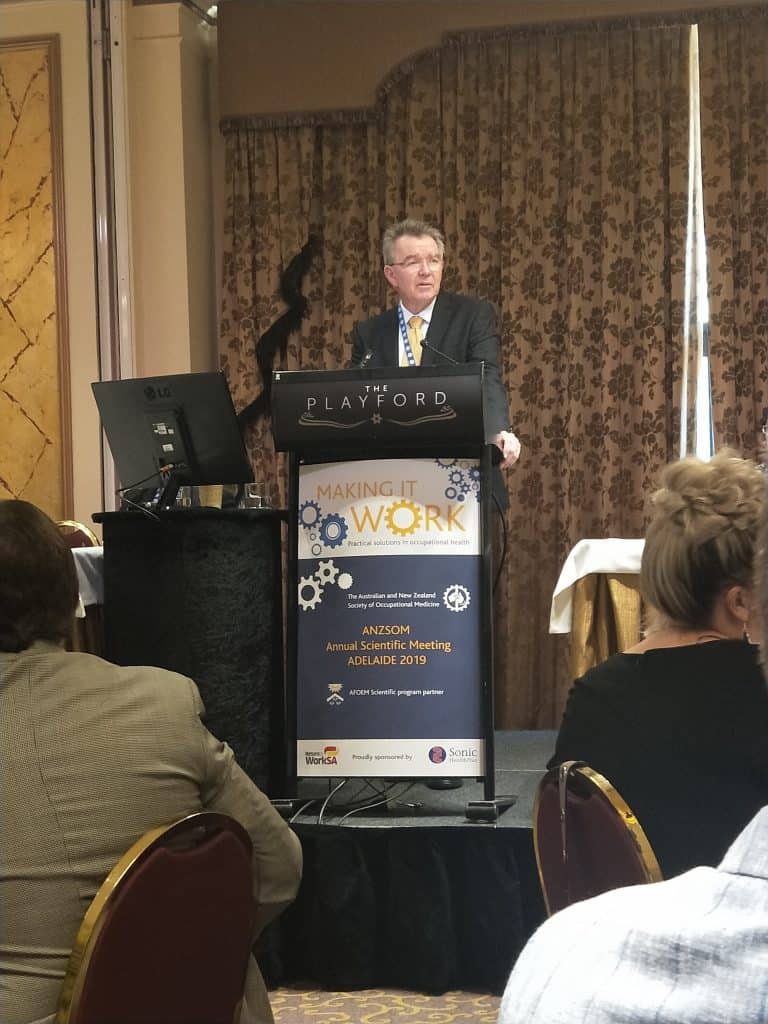
Dr Graeme Edwards (pictured above) spoke first in the ANZSOM panel on October 29 and he came out with all guns blazing.

“Prima facie evidence of system failure. That’s what accelerated silicosis means. It is an entirely preventable disease.”

Subscribe to SafetyAtWorkBlog to continue reading.
Subscribe Help
Already a member? Log in here

Scientific Meeting challenges

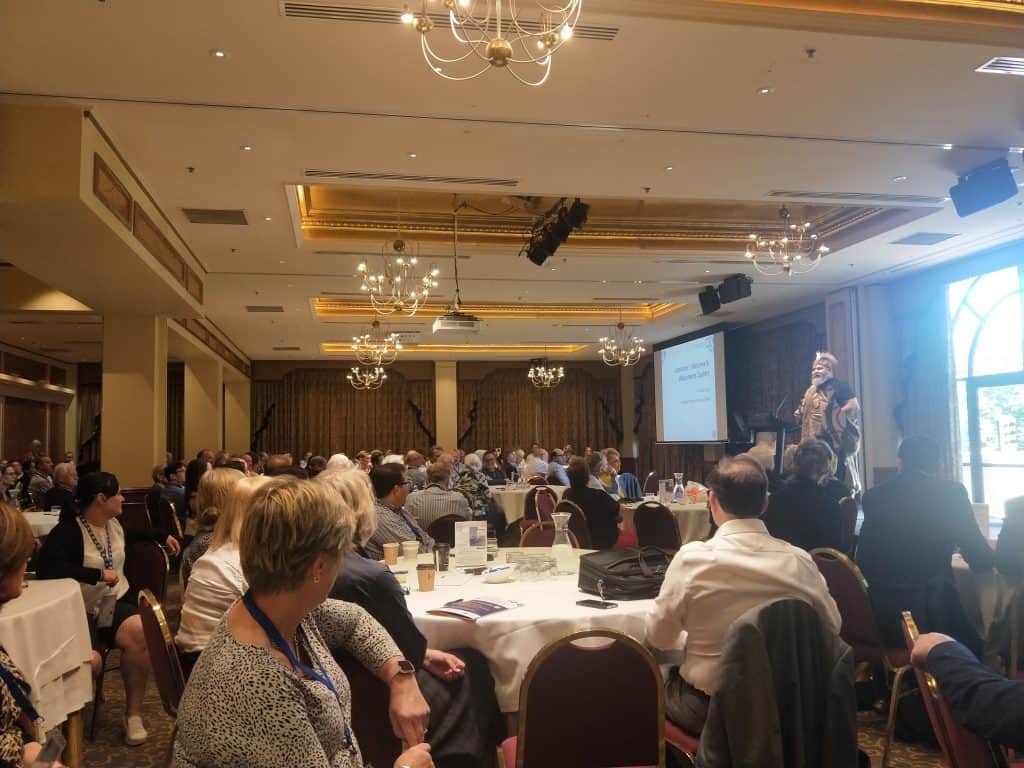
There is a difference between a conference and a scientific meeting. The latter, like the current meeting of the Australia and New Zealand Society of Occupational Medicine (ANZSOM), provides evidence.  The former tries to provide evidence but is often “infiltrated” by salespeople or the evidence is of a lesser quality.  Both are avenues for gaining information and sometimes the gaining of wisdom.

Day 1 of ANZSOM’s annual scientific meeting was heavy on overhead slides, graphs, Venn diagrams, flowcharts and at least two appearances of photos of Donald Rumsfeld!  There was a curious thread in several presentations – the role of non-occupational factors on workplace hazards and interventions.  This bordered on a discussion of political science and its relevance to occupational health and safety (OHS).  It was a discussion that is rarely heard outside of the basement of the Trades Halls and the challenging questions from die-hard communists and unionists, but it was an important one.  Some time soon we deserve a one-day seminar on the politics of workplace health and safety so that we can better understand what we mean by the lack of political will when we whinge about the slow pace of change. (There will be more on this theme in the exclusive interview with Professors Maureen Dollard and Sally Ferguson soon)

Subscribe to SafetyAtWorkBlog to continue reading.
Subscribe Help
Already a member? Log in here

Business Leaders hear about the Vic Government’s OHS achievements, and about OHS is the Arts

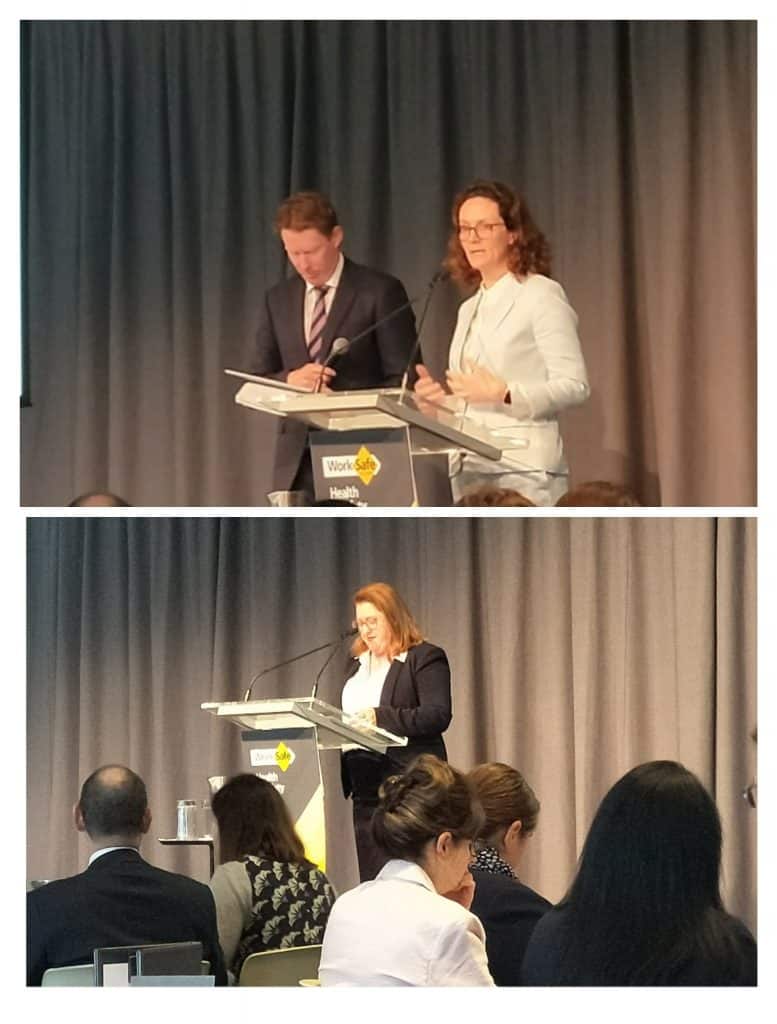
Cameron Ling and Claire Spencer (top) and Natalie Hutchins (below)

October is Australia’s workplace safety month. It operates under different names in different States, but they all started on October 1 2019. These months are almost exclusively about marketing and SafetyAtWorkBlog’s Inbox has received a lot of generic statements about the importance of occupational health and safety (OHS) but with little information about how to improve it. The best we can do about this is to seek knowledge in some of the physical events and seminars scheduled during October.

On October 2 2019, WorkSafe Victoria held a Business Leader’s Breakfast at which there were two featured speakers – the Parliamentary Secretary for Workplace Safety, Natalie Hutchins, and the CEO of Arts Centre Melbourne, Claire Spencer. Hutchins spoke about the occupational health and safety achievements of the Victorian Government and Spencer spoke about the significance of the Arts Wellbeing Collective. They provided a good mix of politics and practice.

Hutchins spoke about

  • Silicosis
  • Hazardous Chemicals and Dangerous Goods
  • Workplace Manslaughter Laws, and
  • Mental Health.
Subscribe to SafetyAtWorkBlog to continue reading.
Subscribe Help
Already a member? Log in here

Small packages, big info

Face-to-Face communication trumps electronic communication every time. This is true for telling stories to trauma counselling to telling someone you love them.

Prof. Michael Quinlan and Alena Titterton Akins at the 2019 Tasmania Health & Safety Symposium

Sixty delegates attended the one-day occupational health and safety (OHS) symposium in Tasmania yesterday. These symposia seem to be the modern equivalent of the traditional conference, especially in Australia, and offer the opportunity for better conversations about OHS. This format still has some need for refinement but it seems more informative than a lecture and less confusing than a multi-streamed big conference of thousands of people.

Subscribe to SafetyAtWorkBlog to continue reading.
Subscribe Help
Already a member? Log in here

Communicating about OHS in New Zealand

Safety conferences rarely generate media interest unless the relevant occupational health and safety (OHS) Minister is speaking or there has been a recent workplace death or safety scandal. At the recent SafetyConnect conference held by the NSCA Foundation in Melbourne, SafetyAtWorkBlog was able to chat with the Editor of New Zealand’s SafeGuard magazine, Peter Bateman. Peter has been editing the magazine and writing about workplace health and safety for a long time and, as an outsider to the OHS profession, he has some useful perspectives on how to communicate about safe and healthy workplaces.

Peter Bateman and Kevin Jones in 2015

SAWB: Peter, great to see you at the Safety Connect conference in Melbourne, hosted by the National Safety Council of Australia Foundation.  So, day one, thanks for coming over from New Zealand.  You’ve been coming to safety conferences for a long time.  How important are safety conferences to your magazine given that Safeguard runs its own conferences as well?

PB: We’ve had the opportunity, through growing the credibility of the Safeguard brand through the magazine, that’s given us I think the trust and the credibility with readers so that when we launched the awards actually, the first event we launched way back in 2005 and then the main conference a couple of years later.  And they were small, but they were successful in their own way and we’ve just been fortunate to grow them year on year, so New Zealand Workplace Health and Safety Awards have been going for 15 years and the main Safeguard National Health and Safety Conference for almost as long.  Then from that we’ve managed to create some more specialist one-day conferences as well.

SAWB: I think I’ve seen a LegalSafe one.

PB: LegalSafe, which is more on the compliance side for those people who want more compliance side even though that’s not my particular area of interest.  But I recognise that a lot of people are very focused on compliance and fair enough.  Then more recently we’ve developed HealthyWork which started off as a way of bringing together traditional occupational health interests with the emerging wellbeing side but has really gone more into the wellbeing and psychosocial stuff as we’ve progressed. And in the last couple of years we’ve launched SafeSkills for H&S reps.

Subscribe to SafetyAtWorkBlog to continue reading.
Subscribe Help
Already a member? Log in here
Concatenate Web Development
© Designed and developed by Concatenate Aust Pty Ltd