“the point is not science, but safety”

Early last year Professor Andrew Hopkins wrote the following about making important safety decisions:

“If you are a CEO in charge of a large company operating hazardous technologies, you cannot afford to wait for conclusive evidence. You must act on the basis of whatever imperfect knowledge you currently have.”

page 110

This seems relevant to those who have had to make decisions about COVID19 this year. In response to the Hopkins quote, I wrote:

“This applies equally to directors and managers of companies of all sizes. It is hard, it is uncomfortable, but it is part of running a business. It is the application of the “precautionary principle” which, if the precaution proves valid, you are a hero, a visionary and a leader; if it does not happen, you are seen as a doomsayer – a reputational potential that few are willing to risk. However, in terms of OHS and the safety of people, the precautionary principle should be given prominence over reputation for many reasons, for if there is a disaster and fatalities the precautionary principle will be analysed through hindsight and may be influential in arguing reasonable practicability.”

The continuing COVID19 pandemic is a disaster with an horrendous fatality rate and the Precautionary Principle has started to be discussed in academic research about COVID19 and face masks.

Continue reading ““the point is not science, but safety””

Work-related elements for social change

It is almost impossible for occupational health and safety (OHS) people to stop looking at the world through the risk assessment parameters and hierarchies with which they work every day. The Hierarchy of Control could be applied to the COVID19 pandemic with the important lesson that the elimination of a hazard does not only come from the right purchase but could require months and months of a combination of Administrative Controls, Personal Protective Equipment, and perseverance. This impossibility should not be something that makes OHS professionals shy. It should be embraced and expanded, where possible, beyond the bounds of workplace organisations to societal design and change.

Michael Quinlan has recently written about a different investigative process that could be directly applied to the management of disasters, including COVID19. His research on Ten Pathways to Death and Disaster has been popping up in conferences, books and public speaking, including the OHS advocacy of Dr Gerry Ayers of the CFMEU, and has rarely been more timely.

Subscribe to SafetyAtWorkBlog to continue reading.
Subscribe Help
Already a member? Log in here

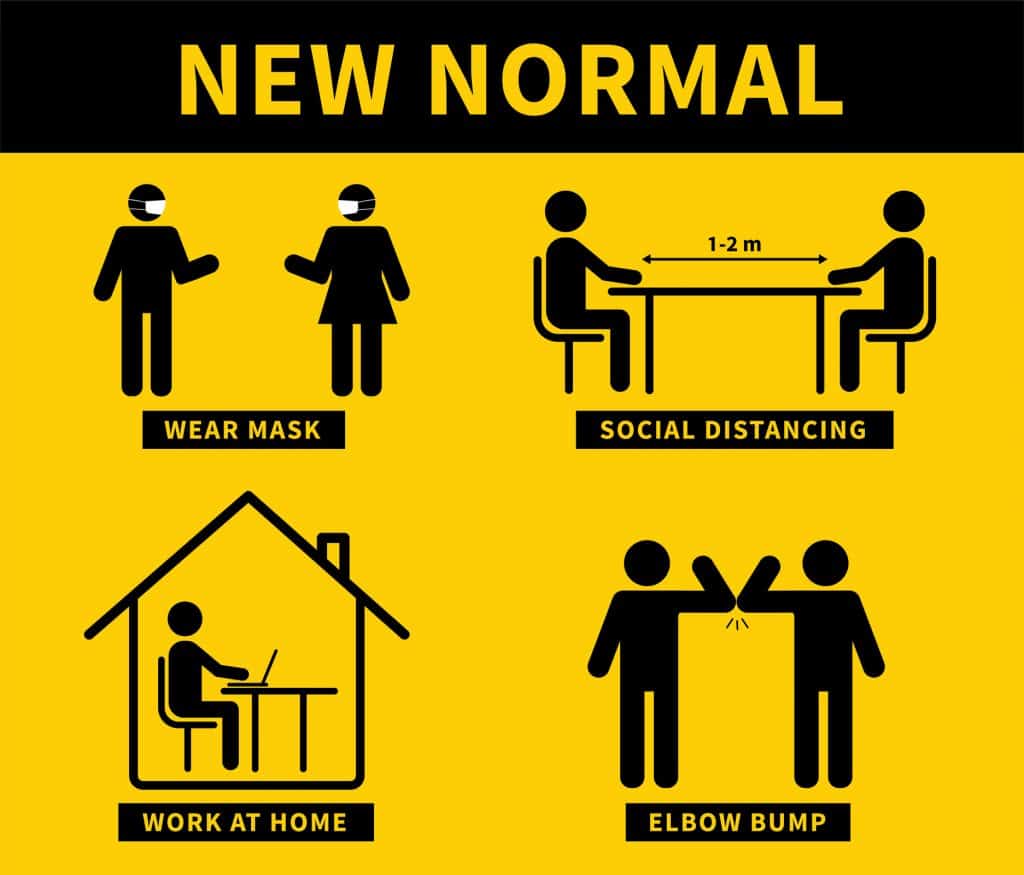
Liability, COVID19, Manslaughter and Working from Home – Welcome to the new OHS

Last week WorkSafe Victoria followed some of the other Australian States by requiring employers to report positive COVID19 cases as “notifiable incidents”. (If they can do this fro COVID19, shouldn’t it be possible to do the same for mental health disorders?) Expanding the pool of notifiable incidents is of little practical consequence but it is indicative of how occupational health and safety (OHS) management is changing, and how Industrial Manslaughter is becoming a pervasive threat.

Managing Liability

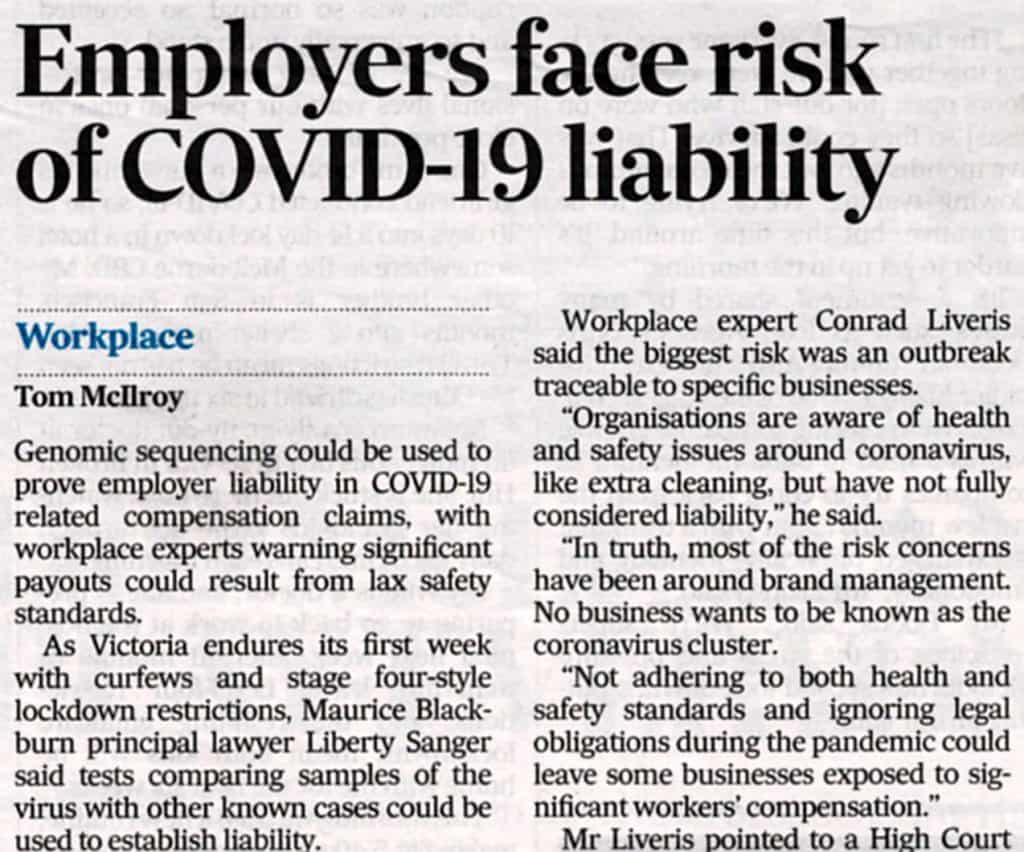
In the Australian Financial Review (AFR) on August 4 2020, employer liability for COVID19 incidents was discussed. Liberty Sanger of union-associated law firm, Maurice Blackburn, spoke of the importance of genomic testing to better identify the origin of the infection, ie. was it caught at work or at home.

Subscribe to SafetyAtWorkBlog to continue reading.
Subscribe Help
Already a member? Log in here

A sliver of hope on the farm safety horizon

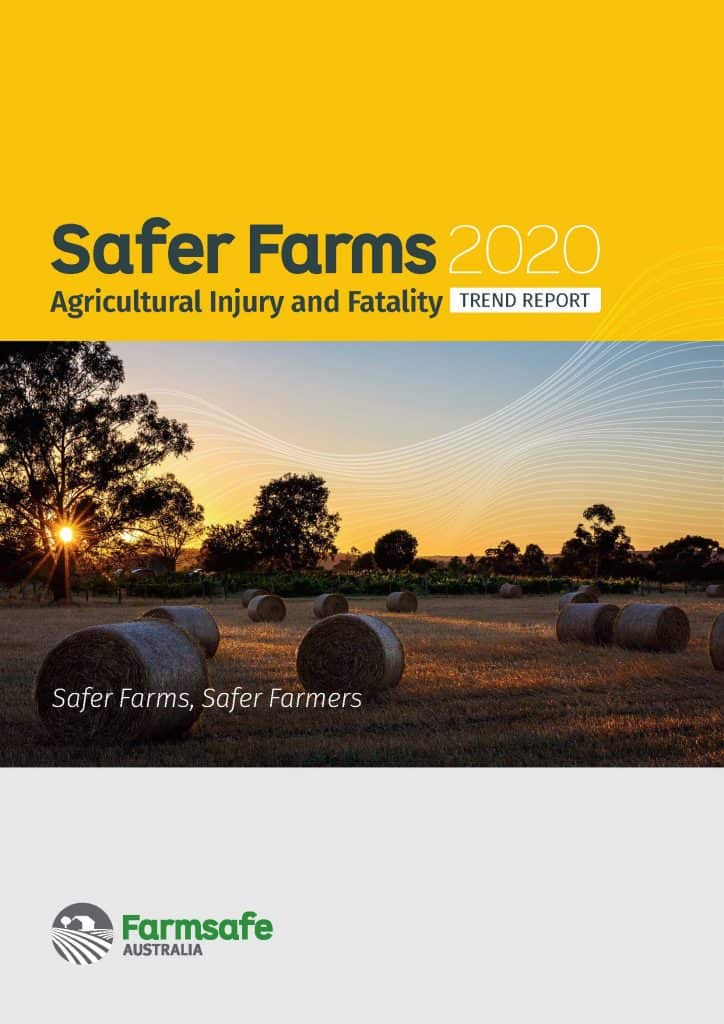
Australian farm safety received several boosts last week. FarmSafe Australia released new report on agricultural injury and fatality trends. The Victorian Government gave the Victorian Farmers Federation more money to fund farm safety inspectors, again. And the Agriculture Minister established a Farm Safety Council of the usual agricultural groups. It is hard not to take many of these farm safety activities as indications of insanity by doing the same thing but expecting different results.


Subscribe to SafetyAtWorkBlog to continue reading.
Subscribe Help
Already a member? Log in here

More data means a stronger case for change in workplace health and safety

SafetyAtWorkBlog tries to include links to original data and reports wherever possible. Last week the Australian Institute of Health and Welfare (AIHW) released its 2020 data insights report. There is a lot in it, and some relates to workplace risks. Perhaps the most useful section is the chapter of Social Determinants of Health (SDH). For those readers for whom this is a new concept, this chapter is obligatory reading.

SDH is crucial to understanding how occupational health and safety (OHS) risks fit with non-work, or social, activities, government policy decisions and economic pressures. The beauty of the AIHW take on SDH is that it based on Australian data.

Subscribe to SafetyAtWorkBlog to continue reading.
Subscribe Help
Already a member? Log in here

Building an honest state of knowledge about suicide

Bizarre dark painting

The apparent suicide of former Australian Football player, Shane Tuck, last week has again sparked discussion in the media and the community about suicide. The Victorian Coroner, John Cain, believes that how we talk about suicide needs a review. As workplace and work-related suicides also occur, the discussion is relevant to occupational health and safety (OHS).

Subscribe to SafetyAtWorkBlog to continue reading.
Subscribe Help
Already a member? Log in here

Ardent Leisure charged with safety breaches

The big occupational health and safety (OHS) news in Australia on 21 July 2020 was the prosecution of Dreamworld‘s parent company, Ardent Leisure, for breaches of the Work Health and Safety legislation over the deaths of four customers who were riding the Thunder River Rapids Ride four years ago. The prosecution has been expected for some time and is likely to take many months. More details will emerge as they did in the Coronial Inquest that slammed Dreamworld’s safety reputation.

In this article, I look specifically at the statement that Ardent Leisure sent to the Australian Stock Exchange (ASX) as it is in an interesting example of mea culpa, OHS under-investment and damage control.

Subscribe to SafetyAtWorkBlog to continue reading.
Subscribe Help
Already a member? Log in here
Concatenate Web Development
© Designed and developed by Concatenate Aust Pty Ltd