
 It’s soon to be the tenth anniversary of the iPhone. Tech writers are preparing their articles based on comparisons of how the iPhone has changed and how it has changed the world. But there has always been a dark side to the production of the iPhone and modern technologies, as a whole.
Category: death
Grenfell Tower and other incidents illustrate major deficiencies in OHS perceptions
 A recent investigative report into workplace safety at Los Alamos laboratory in the United States included this statement:
“The Center’s probe revealed worker safety risks, previously unpublicized accidents, and dangerously lax management practices at other nuclear weapons-related facilities. The investigation further found that penalties for these practices were relatively light, and that many of the firms that run these facilities were awarded tens of millions of dollars in profits in the same years that major safety lapses occurred. Some were awarded new contracts despite repeated, avoidable accidents, including some that exposed workers to radiation.”
The whole article deserves reading but this paragraph in particular illustrates that deficiencies in procurement apply to large organisations in high risk sectors just as much as it can in the small to medium-sized business sector. A major reason is that detailed and diligent procurement has been seen as red tape and it seems to have taken disasters like Grenfell Tower to illustrate the moral deficiencies and short-term economic fantasies of
Road safety needs a systems approach to investigations
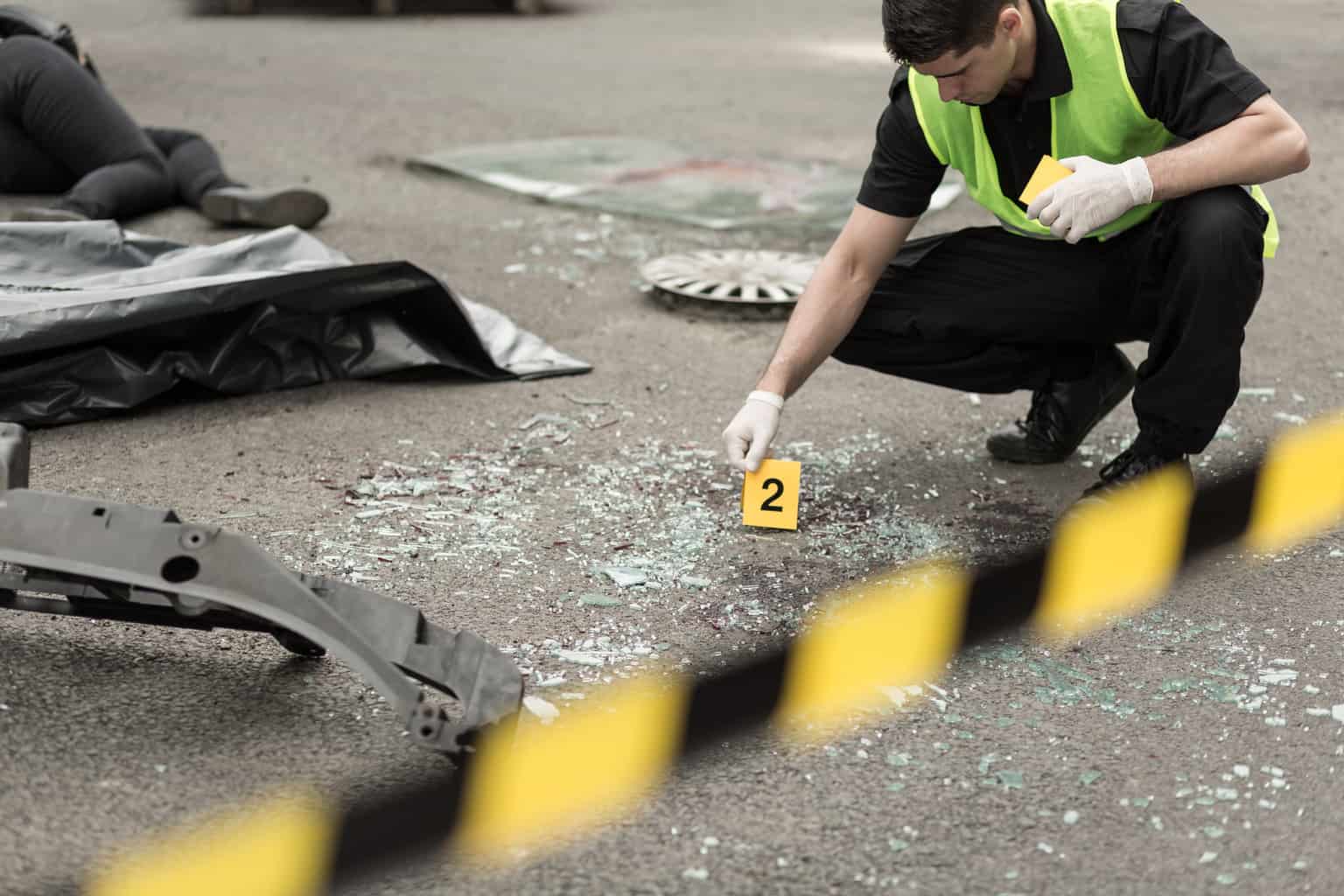 A company vehicle is a workplace. This is not a radical statement, or shouldn’t be. A worker driving the company vehicle is at work, transporting themselves or some goods somewhere as part of the work process. Yet most traffic accidents in Australia are not assessed to determine whether they are work-related and action is rarely taken by the occupational health and safety (OHS) regulators who seem comfortable with their secondary information gathering role in traffic accidents.
With the failure of the trade union movement’s efforts to maintain the existence of the Road Safety Remuneration Tribunal, others are stepping up pressure on Australia’s government to address some traffic accidents as work-related. And there is some important local independent research that seems to support this push.
Safety in licencing is not limited to fishing
On 26 May 2017, NT WorkSafe announced that Austral Fisheries Pty Ltd was charged over health and safety breaches that resulted in the electrocution of Ryan Donoghue. Enforcement of occupational health and safety breaches should be welcomed but Donoghue died in 2013! Why so long?
NT WorkSafe regret the delay:
“The location of the vessel meant the Australian Maritime Safety Authority, Workplace Health and Safety Queensland and NT WorkSafe potentially had jurisdiction to investigate.”
“The preliminary findings from our investigation were handed to Workplace Health and Safety Queensland after we received legal advice that they had jurisdiction,” Mr Gelding [Executive Director of NT WorkSafe] said.
Workplace Health and Safety Queensland completed their investigation on 3 March 2015 and decided not to prosecute. The Northern Territory Coroner held an inquest into the accident in April 2016 and referred the matter to NT WorkSafe for consideration.
Why so long? Jurisdictional arguments and enforcement variation. But didn’t Australia establish a National Compliance and Enforcement Policy in 2011? Yep,
Real men and work-related suicide
 Recently Huffington Post Australia posted a video about male suicides called “Men are killing themselves to be real men”. Many of the speakers talked about their experiences at work or with work. The video is highly recommended.
SafetyAtWorkBlog had the opportunity to talk with the Associate Video Editor, Emily Verdouw. Below is an edited transcript.
Trade unions offer alternative, more accurate(?) workplace death statistics
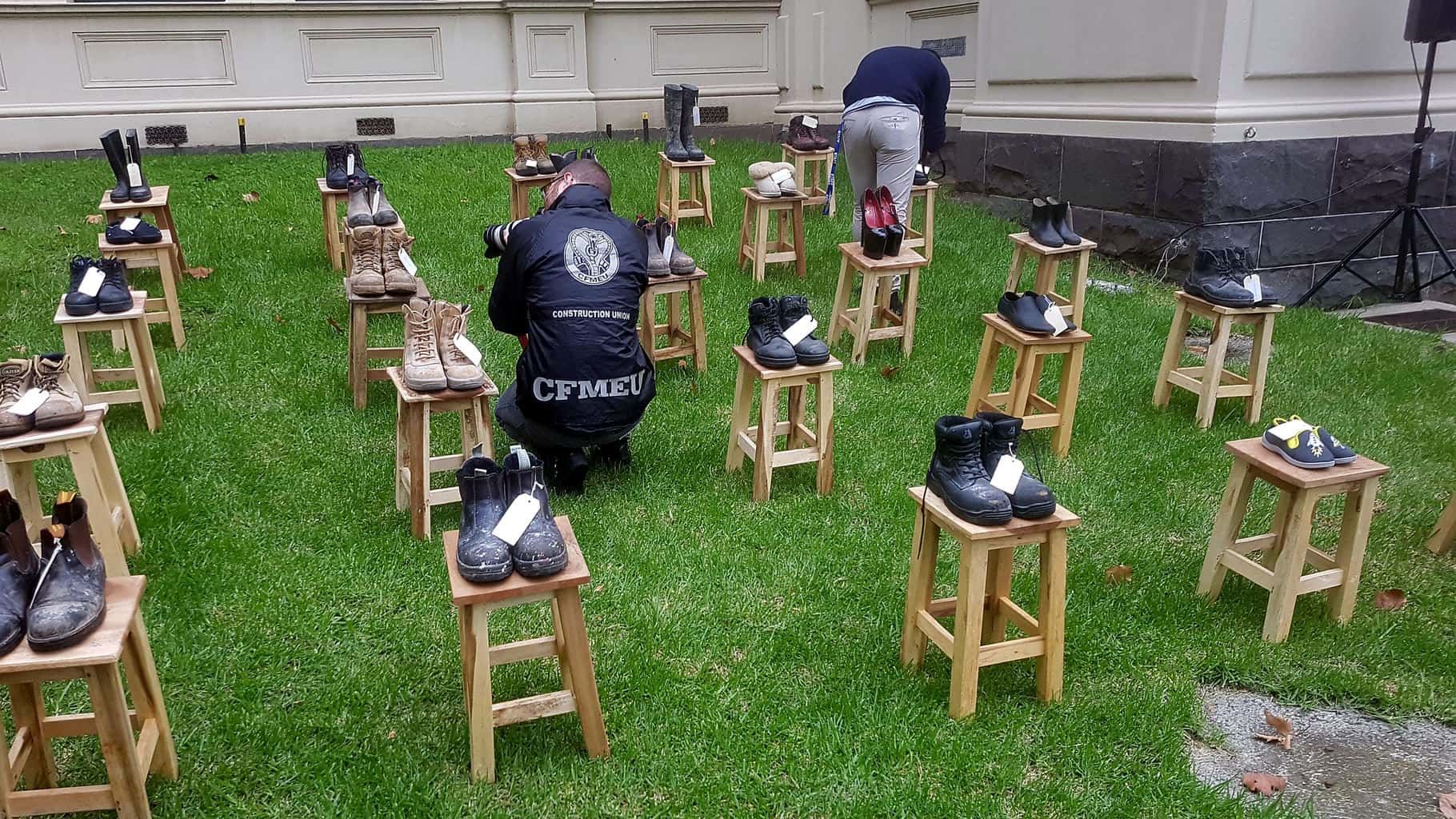 The Victorian Trades Hall Council (VTHC) indirectly acknowledged the ILO theme for World Day for Safety and Health at Work in its media release for International Workers Memorial Day 2017. The ILO was calling for more, and better, data on workplace injuries and illnesses. VTHC questioned the official workplace fatality numbers issued by the government. It stated:
“A VTHC analysis shows that in 2016-17 over 200 Victorians died as a direct result of Workplace injury or illness, although the government’s official tally for the year is just 26.”
This disparity needs to be discussed across jurisdictions because occupational health and safety (OHS) data has always been incomplete, a fact acknowledged by many government inquiries in Australia for many years.
Asbestos – out of sight but not out of mind in Asia
By Melody Kemp

Asbestos resembles polio. Just when you think it’s beaten, it returns like some ghoul. If you think this is overly dramatic, last year Laos was struck by a polio outbreak. This year we learned that Laos now ranks amongst the globe’s major importers of asbestos. And it’s driven by cynical market forces targeting poorer nations, inadvertently promoted by international aid. Continue reading “Asbestos – out of sight but not out of mind in Asia”