
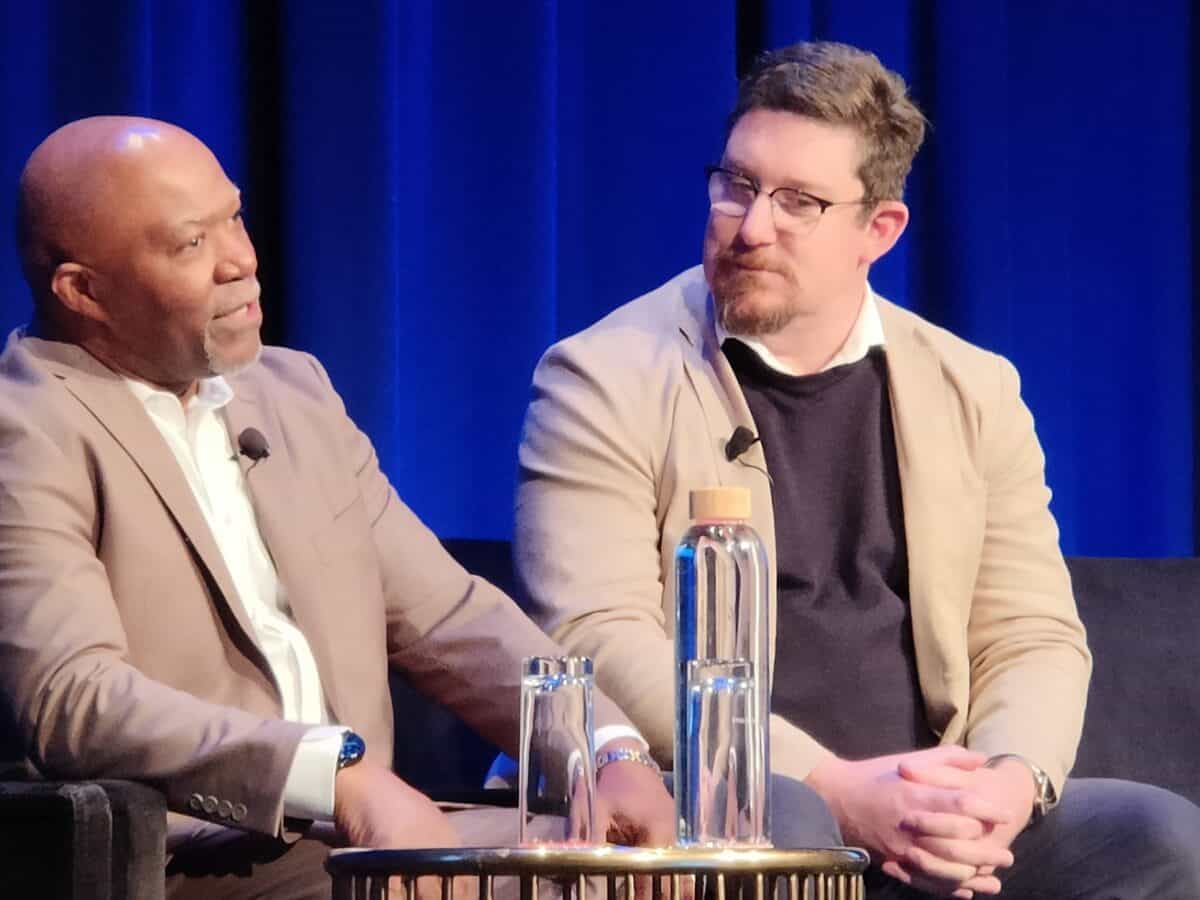
Many conference delegates spoke highly of international speaker I David Daniels at the recent Psych Health and Safety conference. Daniels has a long occupational health and safety (OHS) career and hosts the United States version of the Psych Health and Safety podcast. His OHS perspectives, including his discussions about race, were significant.
Continue reading “I David Daniels’ US perspective on psychosocial risks at work”Category: discrimination

Making Noise – Asian migrant workers
Racism is a word increasingly thrown around these days, the most current incarnation being in the controversy surrounding whether or not to allow Australia’s indigenous peoples a formalised Voice to Parliament.
Unfortunately, Australia has no patent on this illogical and offensive tendency. In Asia, it is often aimed at other Asian races of what is perceived as lower social class.
“..what it means to act like a man and what it means to work safely..”
Ten years ago, I was enlightened by a presentation on masculinity and occupational health and safety (OHS) by Dean Laplonge at a safety conference in Canberra. He has continued researching that interconnection, and visiting WA and recently released his latest report written for WorkSafe WA after a series of “roadshows”.
After years of scandals in what has been described as the epitome of toxic masculinity, the West Australian mining industry claims to have changed its culture and created a psychologically safer work environment. Culture-As-Usual was not an option after multiple exposures of work-related suicides, sexual assaults, and harassment uncovered by independent and parliamentary inquiries. Laplonge revisited Western Australia and reported on the progress.
Lymph v Blood – OHS at the Jobs & Skills Summit
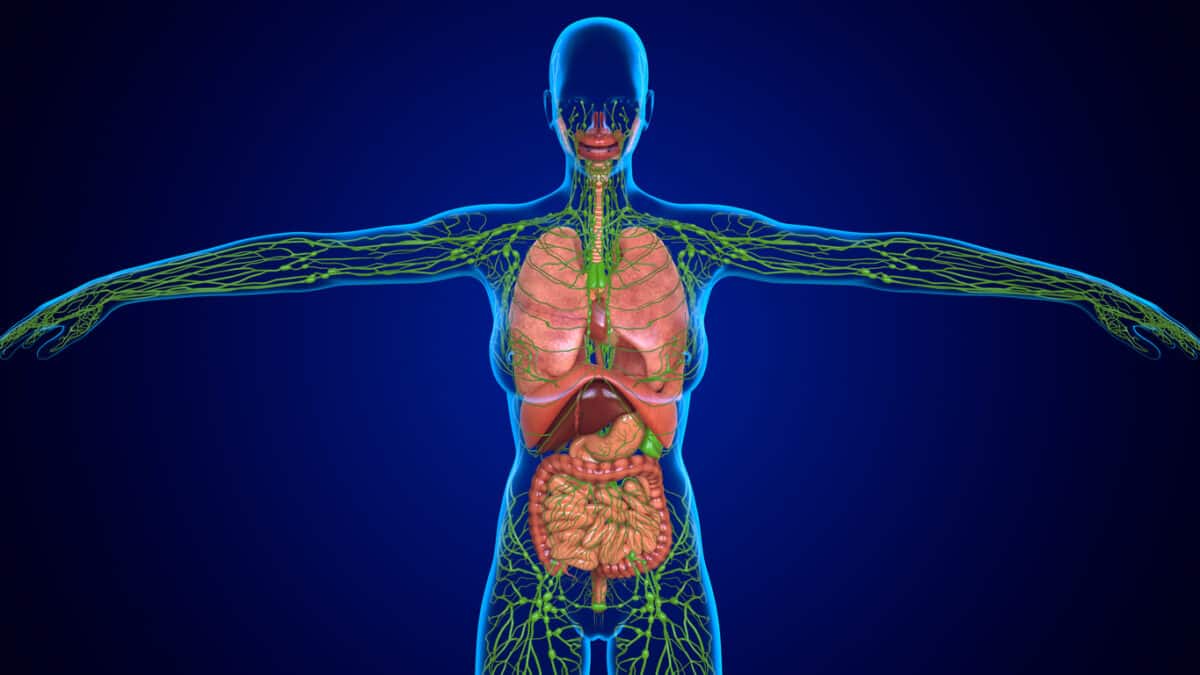
If Industrial Relations is the lifeblood of the economy and the nation, then Occupational Health and Safety (OHS) is the lymphatic system, a less well-known supplementary system without which blood circulation fails and the body stops working.
Australia’s Job and Skills Summit that has just concluded focused on the blood. Media analysis offered mixed interpretations. The event was politically stage-managed with many agenda items pre-prepared for the Summit to confirm, but it was not a worthless gabfest, as some (who chose not to attend) have asserted. On the matter of occupational health and safety, there was one new initiative but most of the OHS change, if any, is now more likely to come through the (wellbeing) budget in October.
Trade Unions, Cost, Exploitation and Responsibilisation
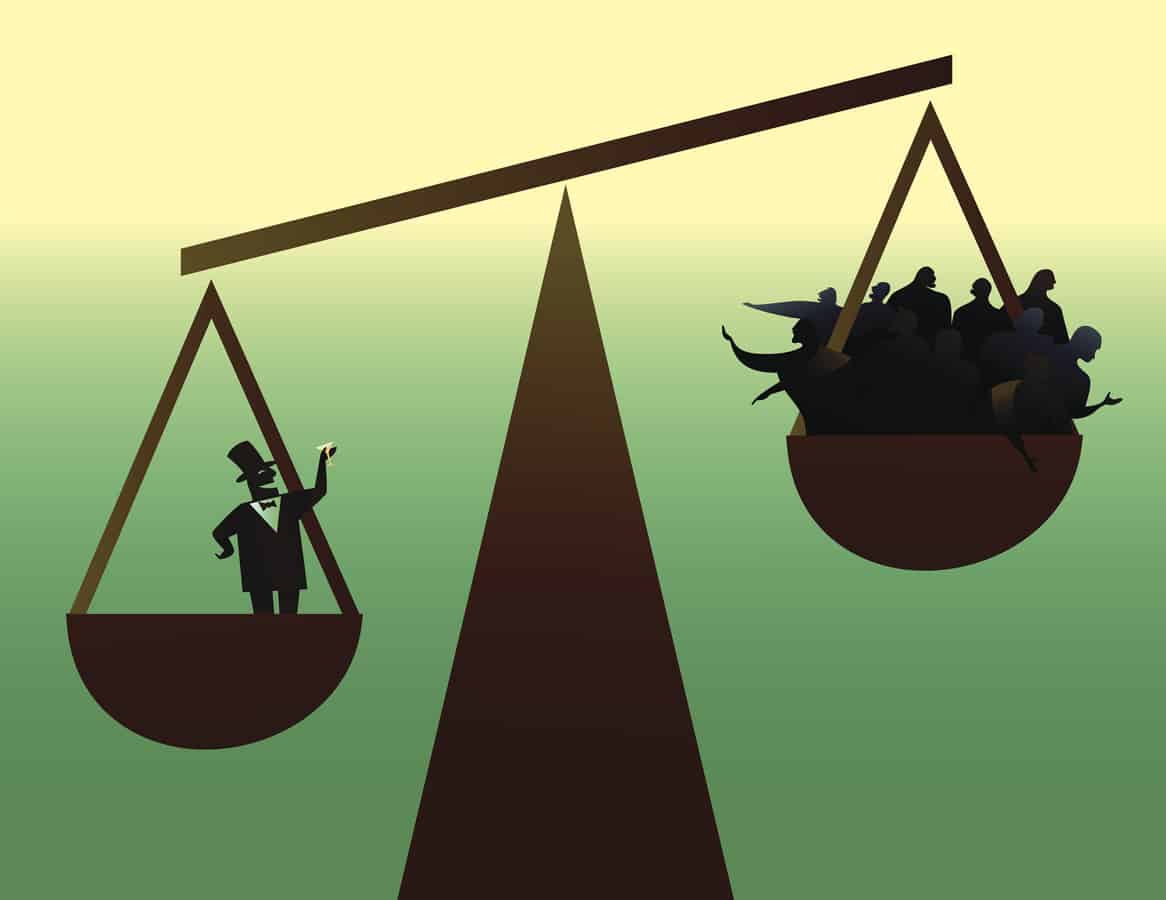
Trade unions have been the longest and strongest advocates on occupational health and safety (OHS) in Australia. Still, their political influence is falling slower than its declining membership due to structural legacies, of which the tripartite OHS consultation is one. The trade union strategy for OHS was to monetise it so that changes in OHS could be the catalyst for or on which it can piggyback industrial relations (IR) reform. A recent review of the work of Professor Michael Quinlan and a video from United States economist and author Robert Reich illustrates elements of this process.

OHS remains the bastard child of HR and IR
There continues to be a competitive tension in Australia between the professions (if they are professions) of Human Resources (HR) and Occupational Health and Safety (OHS). This has been most obviously on display in relation to sexual harassment and the psychological harm that results.
Recently Marie Boland, about to be the 2021 Residential Thinker at the University of South Australia, spoke about this tension and much more in an online lecture about “HR: A Human Resources or a Human Rights approach to work health and safety“. At that lecture, Boland said that she pins her hopes for improvement on the new Work Health and Safety Regulations because

Guidance can help but change needs a challenge
The Australian Chamber of Commerce and Industry (ACCI) has released a guide for employers on managing sexual harassment in workplaces. It contains a lot of helpful information, but it also illustrates the self-imposed limits that business has on preventing workplace psychological hazards. To a lesser extent, it is downplaying the preventative role of occupational health and safety (OHS).