Sizzle but no steak

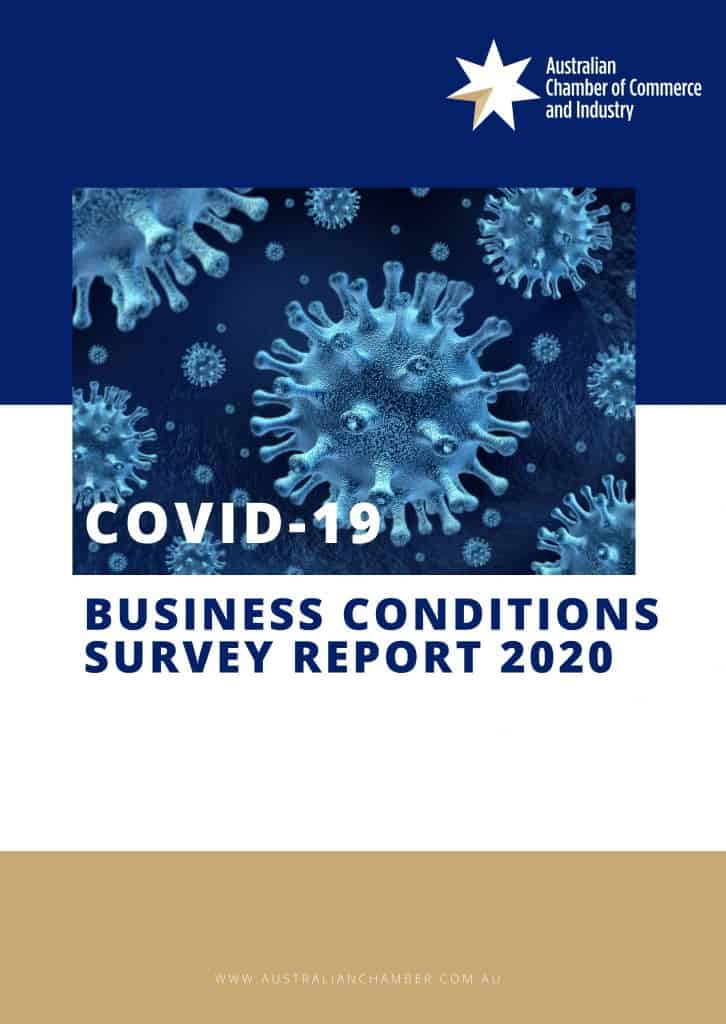
The COVID19, business disruption surveys keep coming. This time from the Australian Chamber of Commerce and Industry (ACCI). On 25 April 2020 released its Business Conditions Survey Report 2020. which was

“… undertaken between 30 March and 17 April, and involved 1,497 businesses across all states and territories.

This overlaps the April 9 survey by the Australian Council of Trade Unions which had a similar sample size and data limitations.

Subscribe to SafetyAtWorkBlog to continue reading.
Subscribe Help
Already a member? Log in here

Jail or Ruin? Is deterrence still effective?

This week Dr Rebecca Michalak wrote that penalties for breaches of occupational health and safety (OHS) laws need to be personal for people to understand the potentially fatal consequences at the work site or decisions that are made in the comfort of the boardroom. In this sentiment she echoes the aims of many who have been advocating for Industrial Manslaughter laws and also touches on the role of deterrence. But when people talk about Jail, are they really meaning Ruin? And do these options really improve workplace health and safety?

Subscribe to SafetyAtWorkBlog to continue reading.
Subscribe Help
Already a member? Log in here

Progress back to the old normal

The discussion about recovery from the COVID19 pandemic is starting, particularly in Australian and New Zealand where the infection and death rates seem to be declining quicker than in other countries. The Business Council of Australia (BCA) released its recovery plan on 20 April 2020. The media release is entitled “Business crucial to a safe return to normal“. The word “normal” is more loaded at the moment than normal 🙂 because it belies an assumption that what existed before the outbreak of COVID19 is how the world should be, even though the pandemic has illustrated weaknesses in what used to be the “normal”.

SafetyAtWorkBlog will focus on those elements of the BCA plan that directly or indirectly affect the physical and psychological health of workers but there is also some text, and subtext, that illustrates the ideological position of the BCA.

Subscribe to SafetyAtWorkBlog to continue reading.
Subscribe Help
Already a member? Log in here

COVID19 disruption may be unprecedented but was it foreseeable? You bet

Almost twenty years ago, there was a surge in discussion and analysis about disaster preparedness, mainly, due to the terrorist attacks of September 11 2001 and the aftermath, especially the use of biological weapons. The risks of viruses was considered around that time but there was so much fear and multiple threats, real and perceived, that the preparedness for social harm and disruption due to naturally-occurring viruses was largely overlooked or neglected. However, in this time of COVID19 it is useful to remember that viral pandemics and preparedness were being discussed. Whether the discussions became actions, or should have, is a different discussion.

Professor Lee Clarke’s book “Worst Cases – Terror and Catastrophe in the Popular Imagination” provides a useful and pre-COVID19 lesson.

Subscribe to SafetyAtWorkBlog to continue reading.
Subscribe Help
Already a member? Log in here

Beware a resurgence in Danger Money

Danger Money” is an occupational health and safety (OHS) and Industrial Relations (IR) concept that must always be watched out for as it can perpetuate a hazard or risk in apparent contravention of the OHS legislative obligations that each employer and worker carries. The concept is at risk of reappearing as the role, income and wages of essential workers are reassessed in this time of COVID19 pandemic and economic reinstatement.

Subscribe to SafetyAtWorkBlog to continue reading.
Subscribe Help
Already a member? Log in here

The gig tightrope over a receding tide

The Australia Institute conducted a webinar on Australia’s economic future during and after the COVID19 pandemic. Former Federal Treasurer Wayne Swan and economist Richard Denniss were the featured speakers. Two particular issues were of relevance to occupational health and safety (OHS) – the future of the gig economy and re-industrialisation.

Subscribe to SafetyAtWorkBlog to continue reading.
Subscribe Help
Already a member? Log in here

More on David Michaels’ book – “statistics are people with the tears wiped away”

I found time to read the rest of David Michaels’ latest book “The Triumph of Doubt“. It was loaded with information that is directly relevant to the Australian occupational health and safety (OHS) sector but more about the manipulation of facts and the stealth of lobbyists and influencers than on the hazards themselves. Here’s my take on some of his thoughts.

Two Australian case studies that would not have been out of place in a book like Michaels’, or even an Australian supplement to his book, were quad bikes and workplace mental health. Quad bike safety is the better fit with Michaels’ approach as many of the techniques of Zellner and Dynamic Research Incorporated, and the strategies of international all-terrain vehicle manufacturers, reflect the those strategies in the book.

David Michaels writes about chemicals, primarily, but many of his words hint that similar “doubt scientists” could be already in the psychological health and wellness sector, except these scientists are less about reacting to litigation and legislation than supporting and strengthening an industry in anticipation of increased regulatory scrutiny. “Pre-action”, perhaps?

Subscribe to SafetyAtWorkBlog to continue reading.
Subscribe Help
Already a member? Log in here
Concatenate Web Development
© Designed and developed by Concatenate Aust Pty Ltd