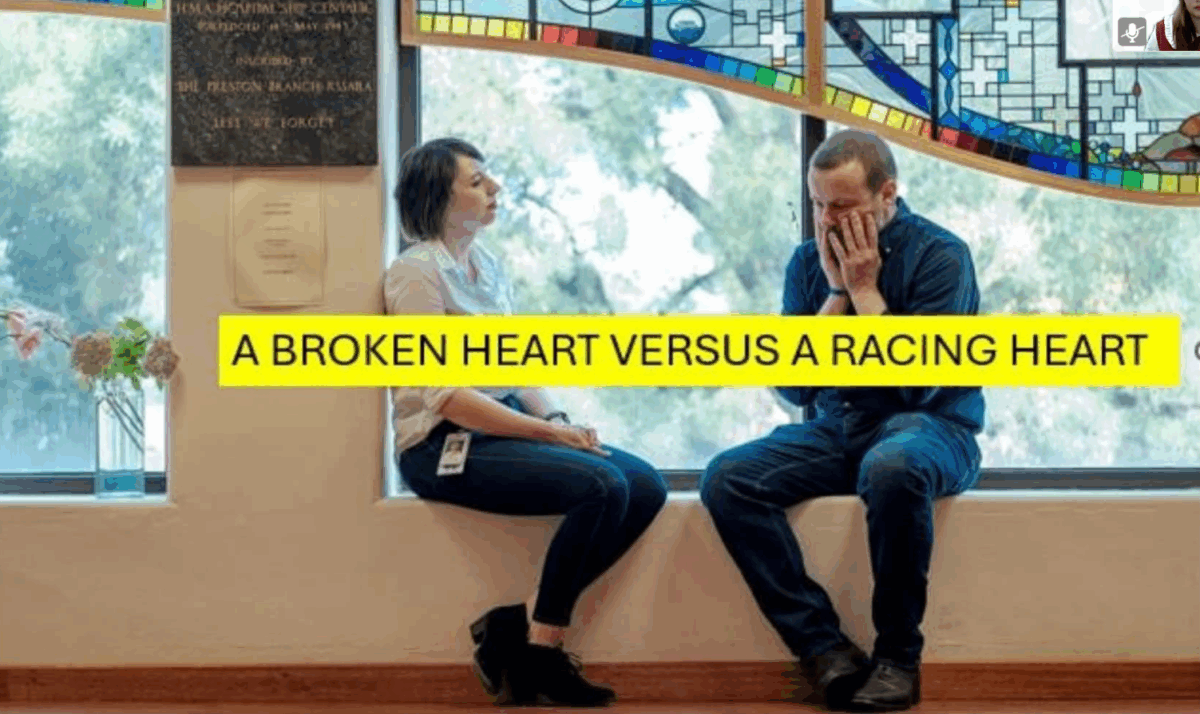
Dean Yates is a prominent Australian speaker on the issue of moral injury. Yesterday, at a WorkSafe Tasmania seminar, Yates brought the 250 attendees up to date on the status of moral injury and its occupational context. Although this seminar was a Safe Work Month event, Yates’ information requires some thought to fit with the occupational health and safety (OHS) and psychological hazards contexts.
Category: emergency
The Hidden OHS Emergency Behind Victoria’s Firefighting Fleet
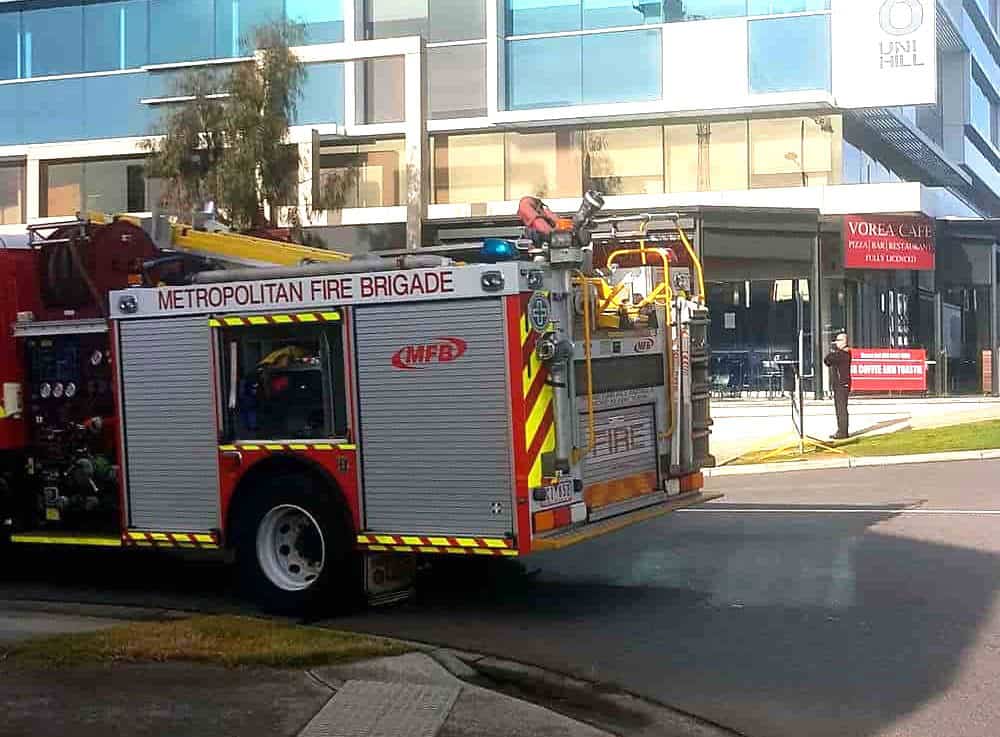
New documentary “Breaking Point” is a curious mix of propaganda, lobbying, whistleblowing, fear, stress, with an occupational health and safety (OHS) undertone. According to Victorian firefighters, they are being sent to fight fires and save lives with equipment that is known to be faulty—a problem that could easily be solved.
We can build better safety from the decline of the free market
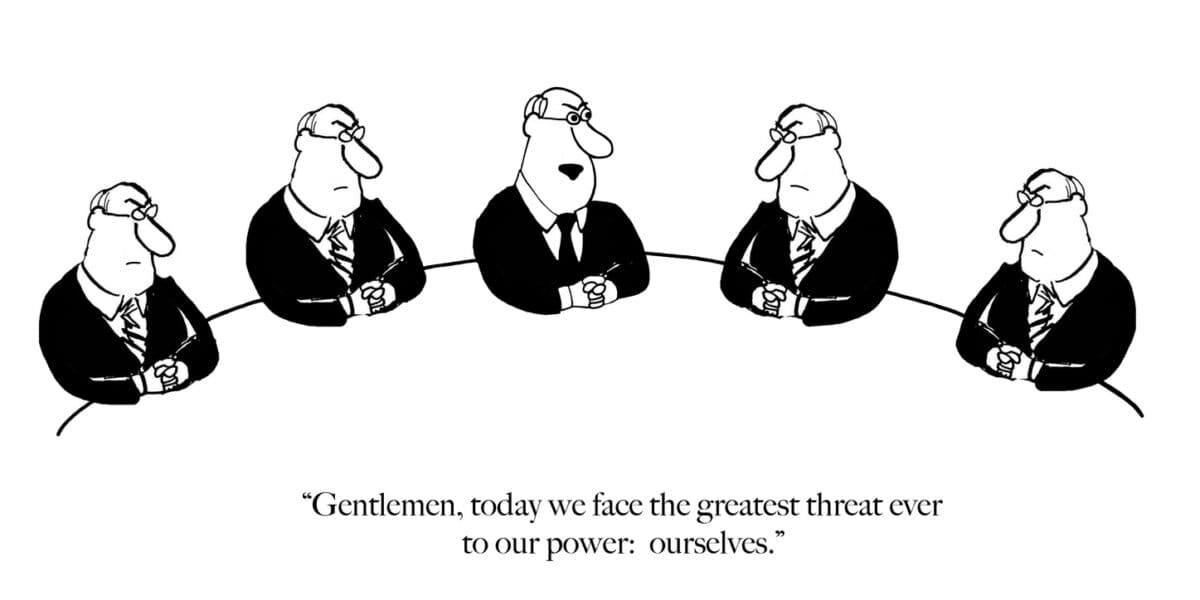
Business ethics has never been a significant focus of occupational health and safety (OHS) organisations or regulators beyond what the law says. OHS advisers in companies and through consultation constantly address ethical or unethical behaviour, even though this is rarely discussed at the academic level or outside of the possibility of prosecution. Over the last four decades, neoliberal ideology and policies have given OHS only grudging attention, if any at all. Neoliberalism is gaining more attention in the OHS literature as the socioeconomic and political sources of hazards are finally receiving serious attention. However, most OHS people cannot remember a world before neoliberalism. It is important to remember that trust in the “free market’ on which neoliberalism was built, the promises of wealth for all, and reflect on how worker health and safety suffered.
The Occupational Moral Injury Scale
Many people are promoting various tools, usually apps, for identifying and managing psychosocial hazards at work. Some experts in the field of organisational psychology are cool on these tools, others are dismissive of poorly designed tools promoted by rent-seekers, others promote free tools, and some say that all the information required is already available if you ask for it and if the keepers of the data will share.
Industrial Manslaughter fears
The Australian Broadcasting Corporation (ABC) has published an article about concerns by West Australian local governments with exposure to prosecution for Industrial Manslaughter under WA’s work health and safety legislation. The concerns seem wellfounded, but the article lacks a social and moral context.
Tough Treatment for Asbestos Contamination and Thyssen Krupp’s Exit Plan
It’s been years since I have seen anything in the Australian press about companies or individuals being penalised for asbestos contamination. That despite workers telling me since being back in Australia, they have suspected asbestos when demolishing older domestic, cultural and industrial structures or even while digging shallow excavations in preparation for construction or mining.
It seems like Australian fashion for deregulation may have bitten into OHS.
Have Tourists and Party Goers Lost the Right to Safe and Healthy Experiences?
Last year I watched Trainwreck, a documentary on the Woodstock ‘99 music festival. After watching, I took a moment to pause and reflect. I asked myself, have we as a society, and as health and safety professionals, really learned and improved as much as we could have? Over the past five years, Splendour in the Grass, Fyre Festival, Astro World and Houston Music Festival have all experienced unsafe and unhealthy practices, and even fatal occurrences. These events are not typically discussed in the occupational health and safety circle, and they are not the usual scenarios that are looked to for lessons learned. Nor are the recovery efforts presented at conferences, with improvements showcased and implemented at the next event.