We are now our grandparents – fearful but adaptive

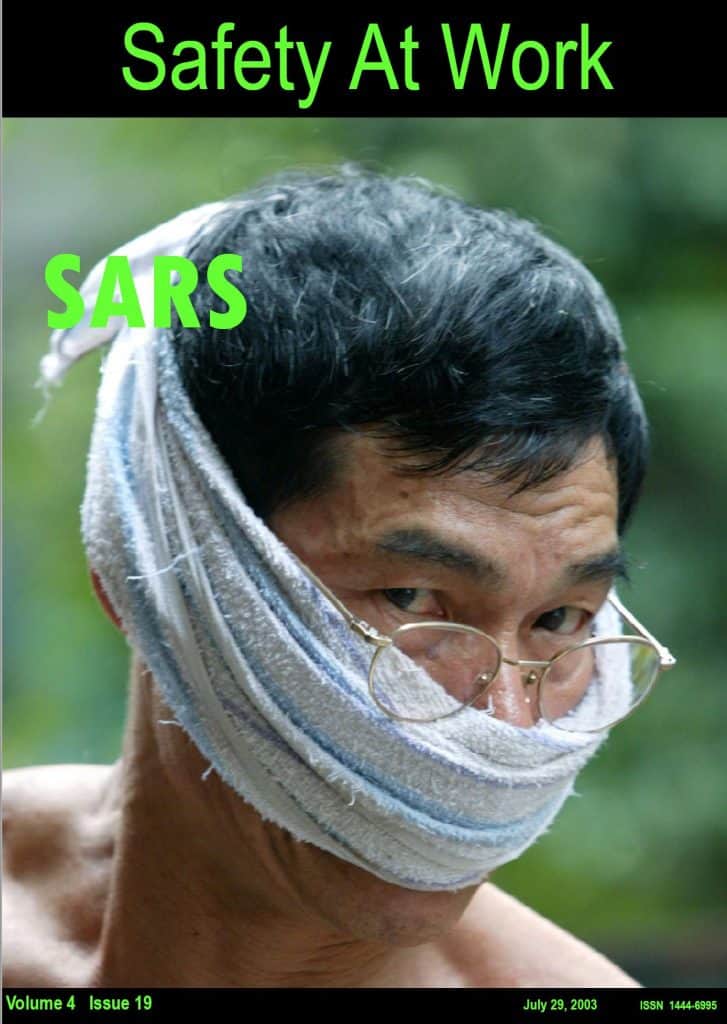
This blog transitioned from a self-published magazine almost 12 years ago. In 2003, the magazine published an edition focussing on the SARS (Severe Acute Respiratory Syndrome ) outbreak which includes a long article by Peter Sandman and Jody Lanard on epidemics and fear, an emotion that many of us are feeling in these uncertain times. The full magazine is available for subscribers below.

Subscribe to SafetyAtWorkBlog to continue reading.
Subscribe Help
Already a member? Log in here

COVID19 and the management of change

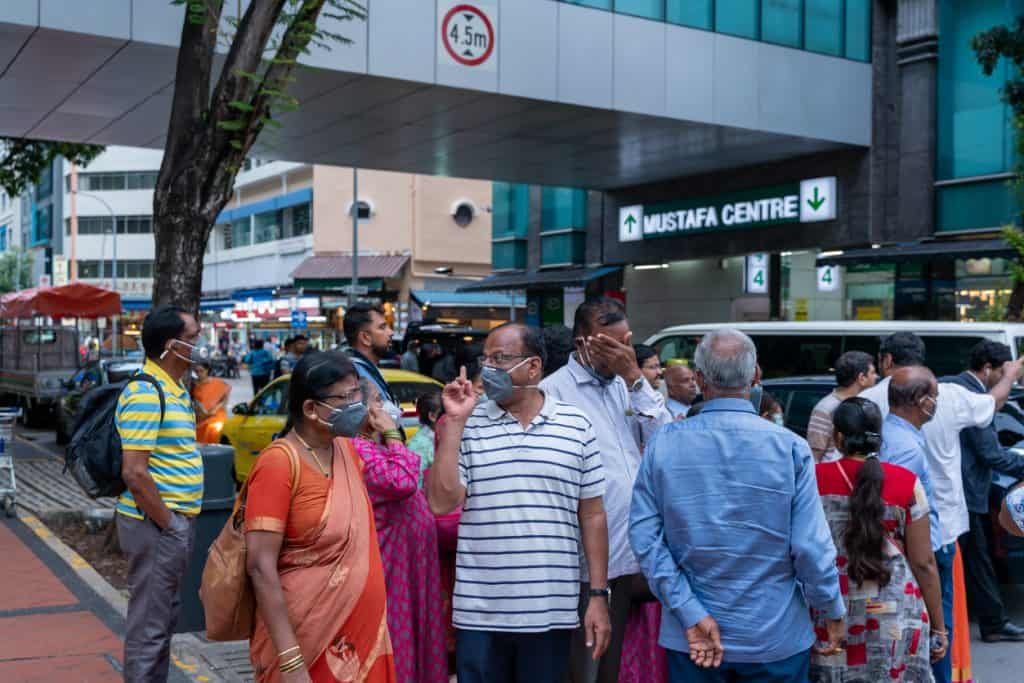
People wearing masks in Little India Mustafa Center Singapore Covid-19 Coronavirus

It is very hard to write about any occupational health and safety (OHS) issue in this time of a global pandemic. Many of the workplace hazards continue to exist but in a different context and, of course, the duty of care on both employers and workers continues wherever work is being done. Australians, understandably, have an insular focus at the moment, but there is some benefit from looking at how national disruption has been handled elsewhere in the recent past. COVID19 is not SARS, but Singapore’s action in 2003 is useful in showing how change can be managed. This change management is likely to be a more integral part of effective OHS management for all Australian businesses once the pandemic declines.

Subscribe to SafetyAtWorkBlog to continue reading.
Subscribe Help
Already a member? Log in here

“…the first thing you are going to want to do is organise the earliest survivors… into delivery people”

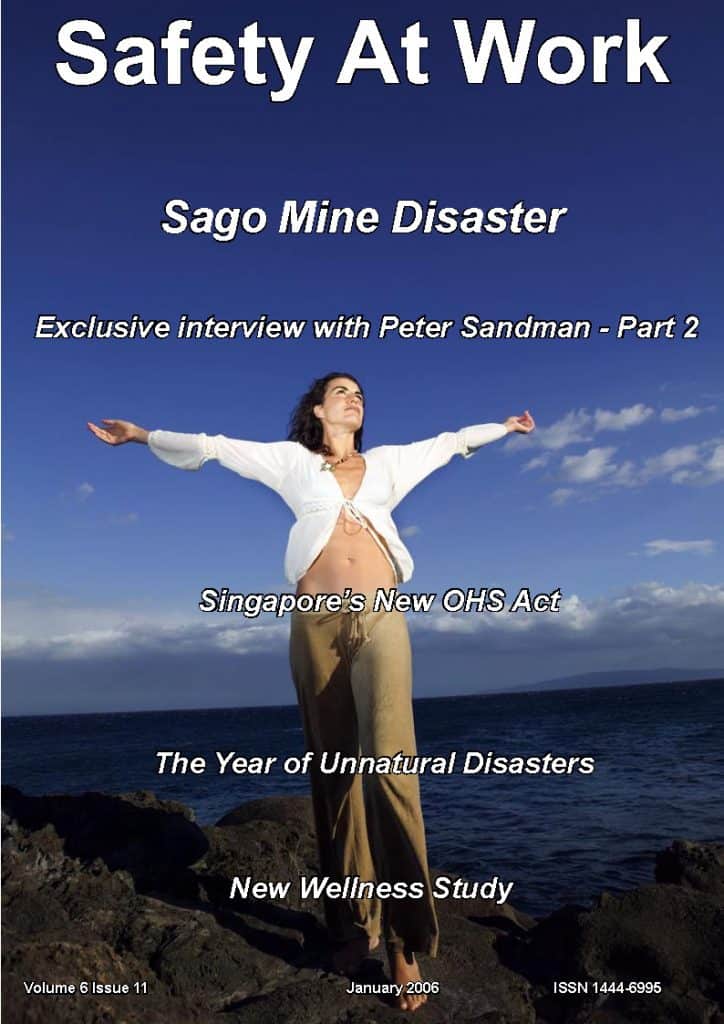
In 2005 I was able to interview prominent risk communicator, Peter Sandman. It was a time of pandemic threats from Avian Influenza, or “Bird Flu”, and we talked about pandemics, their complications and their management. The virus situation has progressed enormously from 2005 to today’s announcement by the World Health Organisation of a coronavirus pandemic but I provide access to this interview to offer a different and historical perspective on the current outbreak of coronavirus. I also had to include my tips for managing coronavirus in Australian workplaces.

Of most interest and relevance, perhaps, is this statement from Peter Sandman:

“If you really think there is going to be a severe pandemic, the first thing you are going to want to do is organise the earliest survivors, the people who get the flu and don’t die, into delivery people. Then they can deliver food and fuel and everything people need so that everyone else can stay home .”

Subscribe to SafetyAtWorkBlog to continue reading.
Subscribe Help
Already a member? Log in here

Resilience training remains contentious

The issue of resilience training and its role in managing workplace mental health continues to confuse at a recent mental health conference.

Yesterday, several experts were critical of resilience training or, more accurately, the over-reliance on worker-focussed interventions when evidence shows that more sustainable benefits are obtainable by addressing the structural factors leading to poor mental health at work. One of the experts specifically said that resilience training may be relevant to emergency services workers where their workplaces are so dynamic that it is almost impossible to anticipate mental health hazards.

Subscribe to SafetyAtWorkBlog to continue reading.
Subscribe Help
Already a member? Log in here

Government responds to the mental health risks of emergency service workers

In 2018/19 one of Australia’s Senate Committees looked at the mental health of emergency responders. The final report was handed down in February 2019 and the government’s response has been released today, twelve months later (?!). Lucky the government delayed as it allowed the Response to mention the 2019/20 bushfires even though this was outside the timeline of the Committee’s inquiry.

Emergency Responders, as do frontline soldiers, face unique psychological risks from their duties, so there are some recommendations that are difficult for those outside the sector to relate to but looking at the Response gives an insight into the thinking about occupational health and safety (OHS), and especially workplace mental health risks, of the Australian government. That thinking may be summarised by the Government supporting only one of the fourteen recommendations, noting five of them and supporting “in principle” the rest.

Subscribe to SafetyAtWorkBlog to continue reading.
Subscribe Help
Already a member? Log in here

This year’s bushfires should change the management of outdoor work

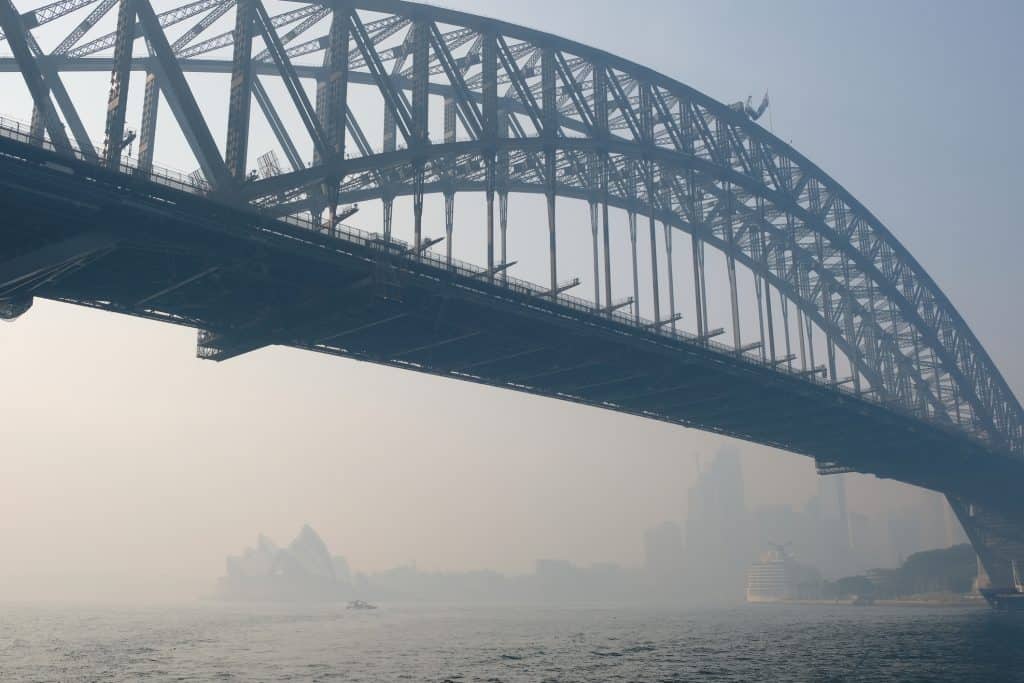
Sydney, NSW, Australia – November 20th 2019: Smoke over Sydney due to bush fires on edge of city. Fires have been burning for days and have been described as unprecedented.

Safe Work Australia (SWA) has reminded Australian businesses that they have a formal occupational health and safety (OHS) responsibility for workers exposed to poor air quality. Its guidance provides sound risk considerations for outdoor workers and their managers, but needs further explanation to help businesses reduce the risk in a practical sense.

Subscribe to SafetyAtWorkBlog to continue reading.
Subscribe Help
Already a member? Log in here

What will the Liberal/National coalition do for Victoria on OHS?

The Victorian Liberal/National Coalition’s election platform is available on-line, or at least an outline is.  On 21 November 2018 a couple of days out from the State Election, Opposition Leader, Matthew Guy, released the Coalition’s 6-page plan for their first 100 days in office, should they win on Saturday.

The State Platform of the Victorian Division of the Liberal Party of Australia makes no mention of occupational health and safety (OHS) but there are many beliefs that would be dramatically affected if OHS is not managed appropriately. 

Subscribe to SafetyAtWorkBlog to continue reading.
Subscribe Help
Already a member? Log in here
Concatenate Web Development
© Designed and developed by Concatenate Aust Pty Ltd