OHS advice for new businesses

It is legitimate to not know something, but choosing not to know something is inappropriate, especially about something you are meant to be knowledgeable about, like occupational health and safety (OHS).  Governments rarely provide sufficient information about people’s OHS obligations when creating and building a business.  Preloading a person with OHS information should reduce the likelihood of an “I didn’t know” excuse when (if?) a workplace incident occurs.

A UK labour law firm, Lewis Silkin, recently published its latest “Compliance requirements for new employers in Great Britain”, which may close the OHS knowledge gap.

Subscribe to SafetyAtWorkBlog to continue reading.
Subscribe Help
Already a member? Log in here

The origin of current Human Resources perspectives

The human resources (HR) discipline is often criticised for not considering the interests of workers as its primary consideration. This is not a recent phenomenon. To understand the origins of this criticism, looking at some of the research into the discipline from before the wellness industry dominated many of the HR approaches to occupational health and safety (OHS) is helpful.

Subscribe to SafetyAtWorkBlog to continue reading.
Subscribe Help
Already a member? Log in here

This 2025 forecast offers mixed messaging

Risk and governance software company Navex published a forecast for 2025 which has some occupational health and safety (OHS) relevance.  It wrote “Rising temperatures in the workplace: Addressing civility concerns” which said

“Workplaces increasingly mirror the polarization we see in the world, with tensions surrounding diversity, equity and inclusion (DEI), environmental, social and governance (ESG) initiatives, and political differences bubbling to the surface in workplace discord. Ideally, the workplace should be a collaborative environment, but now is a minefield of potential heated disagreements, making workplace civility a top priority for organizations.”

Subscribe to SafetyAtWorkBlog to continue reading.
Subscribe Help
Already a member? Log in here

Disciplinary overlaps may help with worker engagement

There is a considerable overlap between organisational psychology, Human Resources and occupational health and safety (OHS), even though each has developed its own culture and language. People are just starting to acknowledge the overlap and trying to increase it.

One example of that overlap was on display in an interview with prominent podcaster Mel Robbins, who admitted that:

“The hardest thing about what I do is that oftentimes the advice and the tools sound dumb or repetitive…”

Subscribe to SafetyAtWorkBlog to continue reading.
Subscribe Help
Already a member? Log in here

“Physician, heal thyself” – business group objections to new wage theft laws

Starting January 1, 2025, Australia will have new laws and penalties for intentional wage theft beginning January 1, 2025. The usual business lobby groups are bleating about the unfair imposition of costs and time on their members. But what about the significant impact on workers’ health, safety and dignity?

Subscribe to SafetyAtWorkBlog to continue reading.
Subscribe Help
Already a member? Log in here

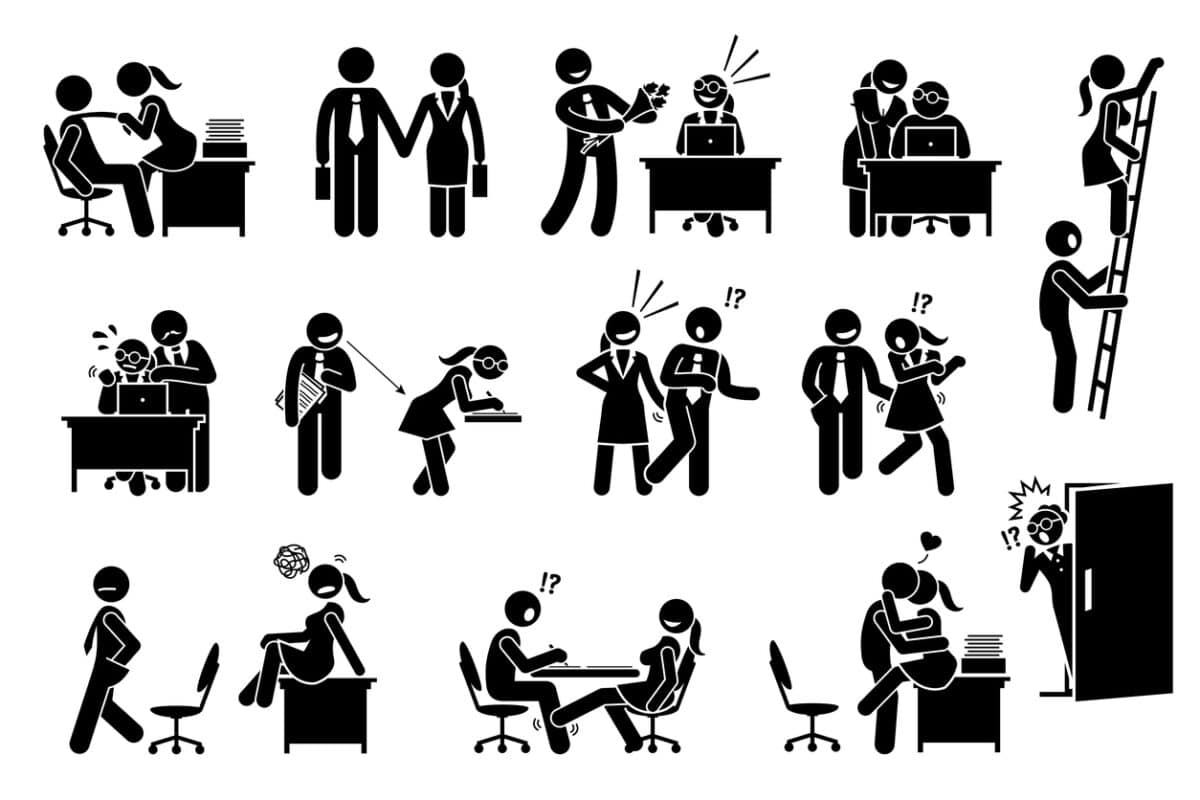
New class action on sexual abuse in Australian mining

Many of the prominent Australian mining companies are in the process of changing their cultures to minimise the risk of sexual assaults and harassment after several recent damning inquiries into worker health and safety. Everyone seems to agree that cultural change can take a long time. I am not convinced.  Change will take time if one operates within the existing organisational and operational parameters and structures. But sometimes, the harm to workers is so great that a long time exacerbates unfairness and injustice.

Subscribe to SafetyAtWorkBlog to continue reading.
Subscribe Help
Already a member? Log in here

Red flags for OHS misunderstandings

Occupational health and safety (OHS) continues to have a credibility problem and a poor social profile. Some of this is due to OHS peddling nonsense, but probably no more than any other discipline. Some of it is due to employers and other corporate leaders using OHS as camouflage for inaction or as a distraction from a different workplace issue. Some of it is due to ignorance.

It is up to all of us to strengthen the discipline’s credibility. To help with this, here are three words commonly used by leaders that we need to question and challenge whenever they are used.

Continue reading “Red flags for OHS misunderstandings”
Concatenate Web Development
© Designed and developed by Concatenate Aust Pty Ltd