
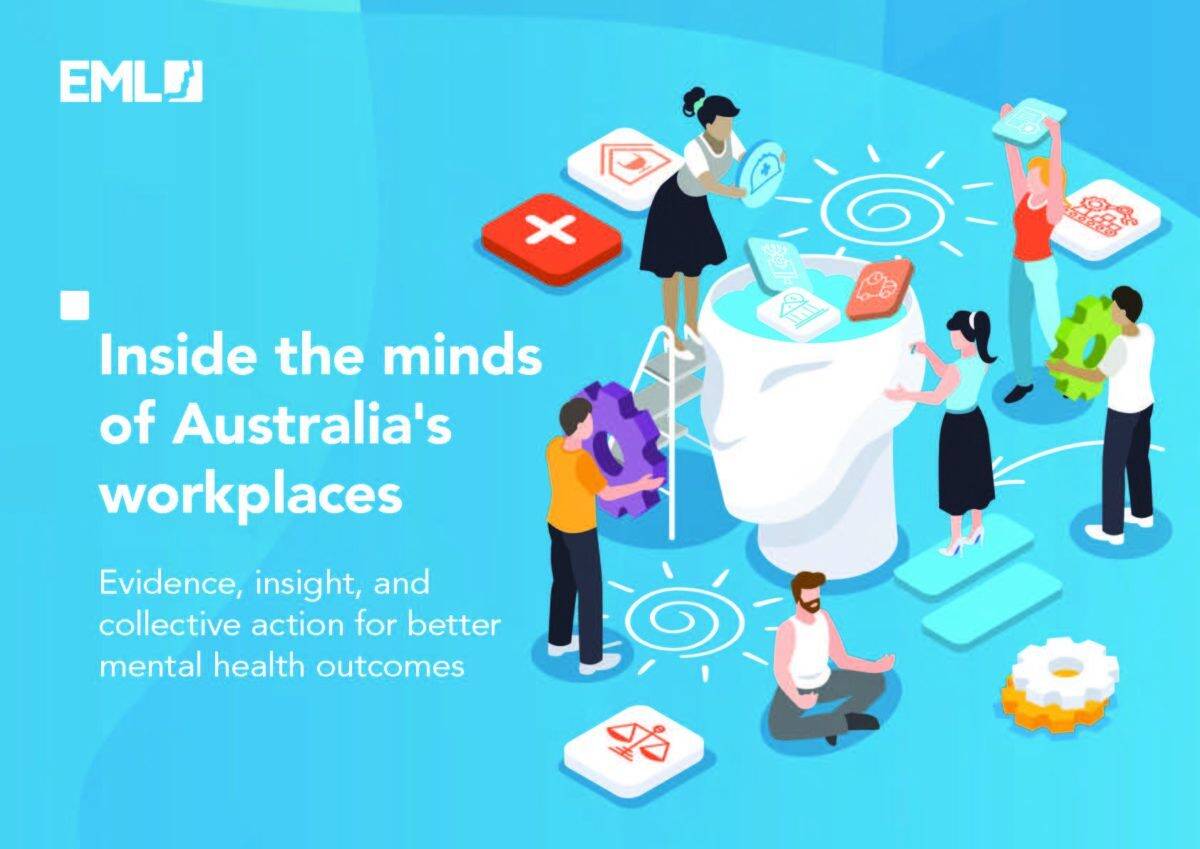
On June 3 2025, workers’ compensation insurer EML released its white paper on mental health in Australian workplaces. The paper is full of recent data on worker perceptions of psychological health; however, its significance is limited by relying on self-reported survey data. More interesting information came from the Question and Answer panel session at the report’s Melbourne launch.
Category: employers

Stakeholder vs. Shareholder: The Capitalism Clash Shaping Safer Workplaces
Elements of Andrew Hopkins’ latest book have been spinning in my head for a couple of weeks as they echo my thoughts on occupational health and safety (OHS) over the last few years. I cannot shake his discussion of stakeholder capitalism and shareholder capitalism. These two elements of business management are crucial to our understanding of OHS and how we should proceed, particularly in relation to psychological health.
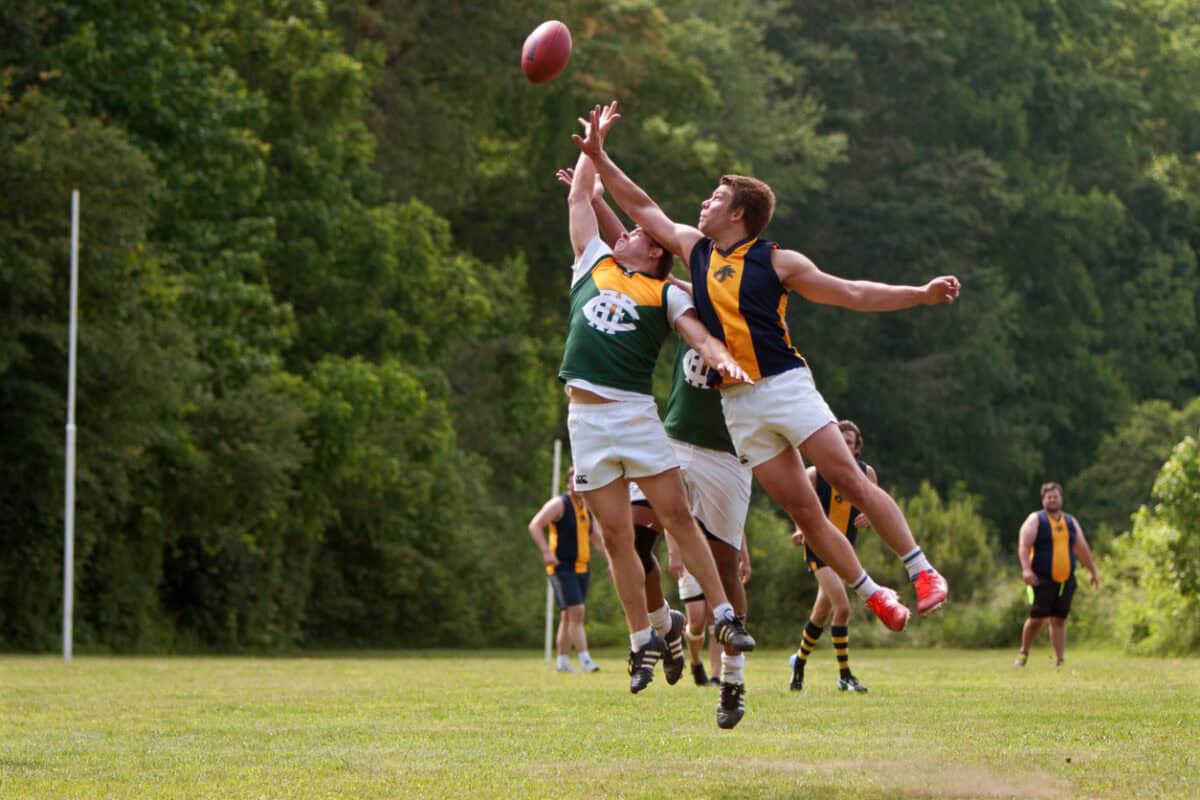
Poor footballer mental health may be a symptom of CTE, but it is the risk of CTE that should be prevented
The concussion risks of sportspeople continue to appear in the media and popular discussions after every suicide, death, or retirement of sportspeople who play contact sports. Recently, Alan Pearce, Professor, Adjunct Research Fellow, School of Health Science, Swinburne University of Technology, wrote an opinion piece for The Australian newspaper (paywalled) that touched on some occupational health and safety (OHS) themes that deserve expanding.
[This article discusses suicide]

Boeing’s failures illustrate fundamental flaws in modern business values
Andrew Hopkins’ new safety and management book has landed. It is perhaps his most powerful critique of modern safety-related corporate management as he identifies “big picture” socioeconomic and political factors that directly affect executive decisions. By examining the 737 MAX aeroplane crisis of over 340 customer deaths that Boeing could have prevented, Hopkins discusses the hazardous managerial ideologies that have been idolised and are likely to be present in most companies created in the last 40 years.
The book has aviation in the title, but this is far more than a book about aeroplanes.
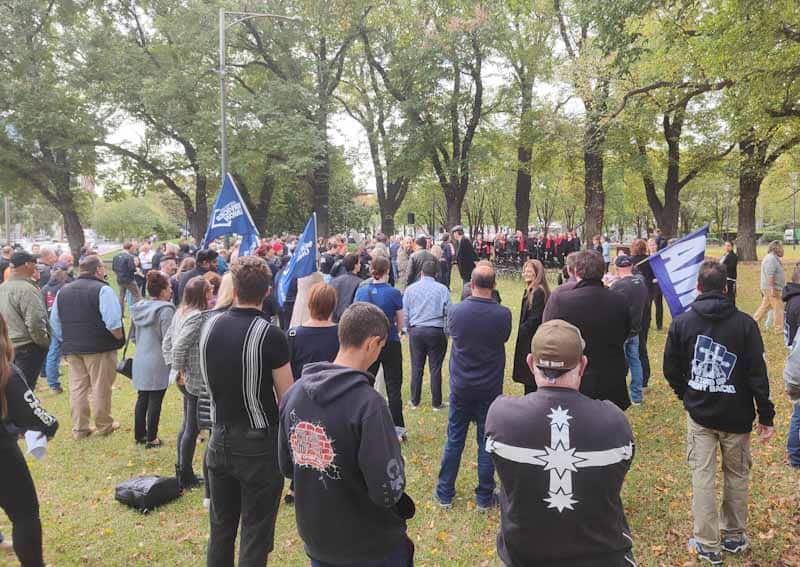
Meaningful memorial that could have said much more
International Worker Memorial Day (IWMD) events are usually moving and solemn occasions. Today’s event in Melbourne, Victoria, was a good example, but something was missing, especially given the calibre of dignitaries who were present. (A list of most of them is below)
Victorian Trades Hall Council secretary Luke Hilakari was on message as the first formal speaker. He was the only speaker who addressed the IWMD theme – The role of AI and digitalisation at work. He was followed by Premier Jacinta Allan, Melbourne Lord Mayor, Nick Reece, Acting CEO of WorkSafe Victoria, and Ash West. The Premier’s attendance was notable as I cannot remember the last time a Premier attended or spoke at this type of event.

6 Essential OHS Questions for Employers
Occupational health and safety (OHS) laws establish duties on employers (and employees) to provide safe and healthy workplaces. These duties reflect the social morals of the time, but the morality of employers is rarely challenged.
Below is a selection of OHS-related questions that all employers should be asked and able to answer. How would you or your employer respond?
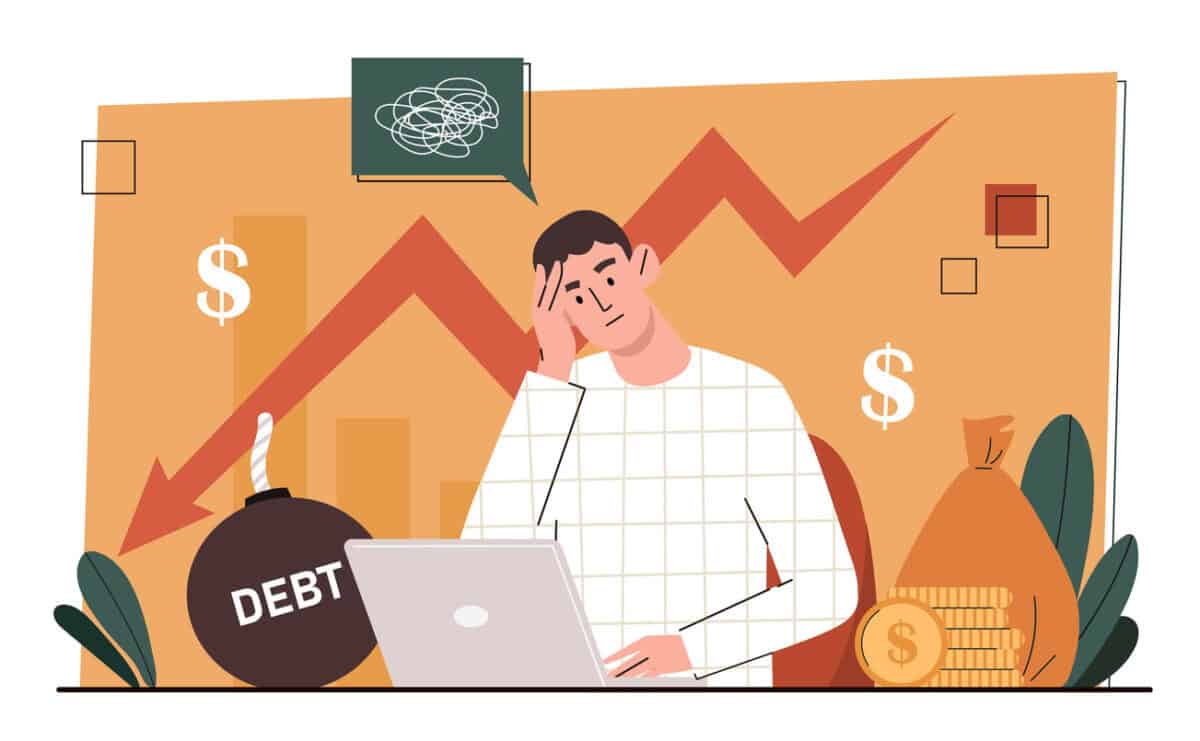
Cost estimation, safety and economists
American legal scholar Cass R. Sunstein does not write about occupational health and safety (OHS) directly, but he writes about the society in which OHS operates. In November 2022, he reviewed an economics book in an article called “Accounting for the Human Cost.” OHS may have a strong moral core, but one can argue that it is more of an economic discipline due to the necessity for analyzing costs and benefits to gauge compliance with laws and regulations.