
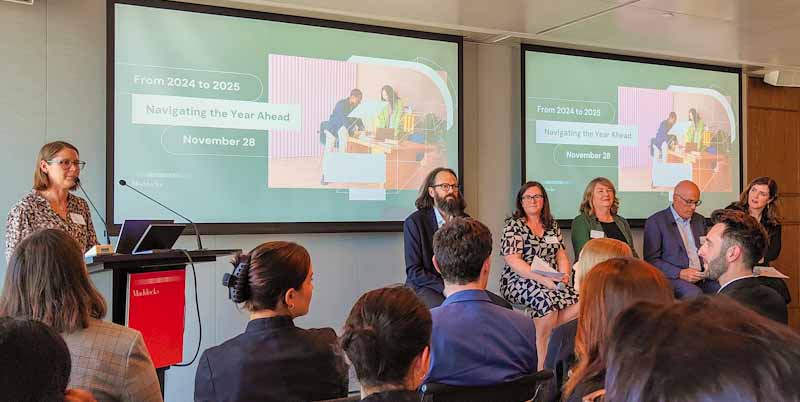
Last week, Maddocks law firm conducted an end-of-year summary of its workplace relations issues and a forecast for 2025. Occupational health and safety (OHS) are almost inseparable from industrial relations (IR), so the overlaps between the four or five topics discussed were enlightening and provided a good contrast to the information from other law sources.
Category: employers

Latest OHS News from Herbert Smith Freehills
One of the most important sources of information about occupational health and safety (OHS) is seminars organised by law firms. A great example was a webinar hosted by Herbert Smith Freehills on October 30, 2024, as part of its Safety Leadership Series. It was a general discussion on Australia’s most prominent OHS issues but outlined increasingly significant consequences.
How bad must it have been?
The corporate cultures of Australia’s mining industry have been under substantial scrutiny for over a decade. Sexual harassment, bullying, work-related suicides and more psychosocial hazards have been identified with strategies introduced to address the cultures that contribute to these occupational harms.
On 20 November 2024, Rio Tinto released a progress survey on its cultural change initiatives, which the Australian Financial Review (AFR) described as showing a “backlash” to these reforms. This survey is a significant document for those on similar journeys and for occupational health and safety (OHS) advocates.

What are the most substantial impediments to improving the health and safety of workers?
This is the second in a possible series of articles based on an artificial intelligence analysis of decades of audio interviews and recordings with occupational health and safety professionals, academics, lawyers and more used for this blog and my other writings. This time, I asked:
What are the most substantial impediments to improving the health and safety of workers?
Several substantial impediments to improving worker health and safety emerge from the conversations:
Culture of Compliance and the Fair Work Ombudsman
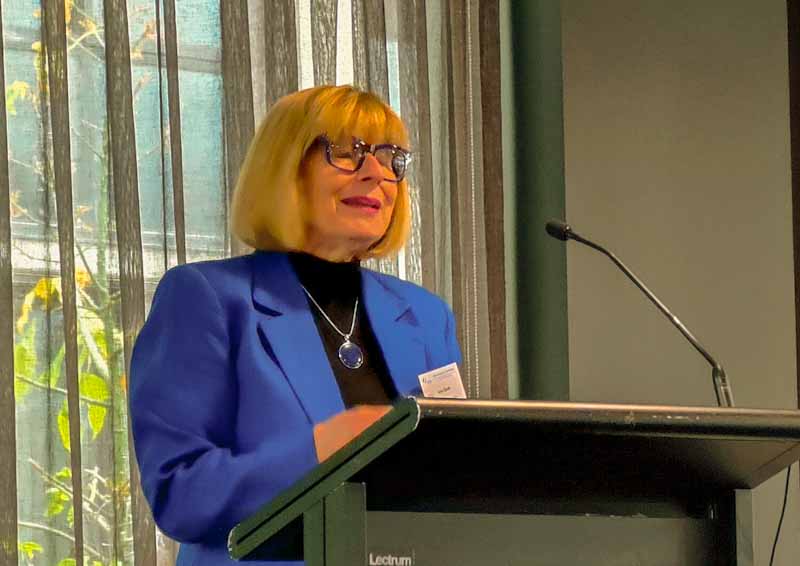
On the morning of day one of the Australian Labor Law Association (ALLA) National Conference, the Fair Work Ombudsman, Anna Booth, mentioned a “culture of compliance.”
She explained the culture of compliance by revealing data in several industry sectors about significant non-compliance based on the activities of the Fair Work Ombudsman inspectors. So, it’s perhaps more important to talk about a non-compliance culture rather than a compliance culture.
Two very different Safe Work Month events
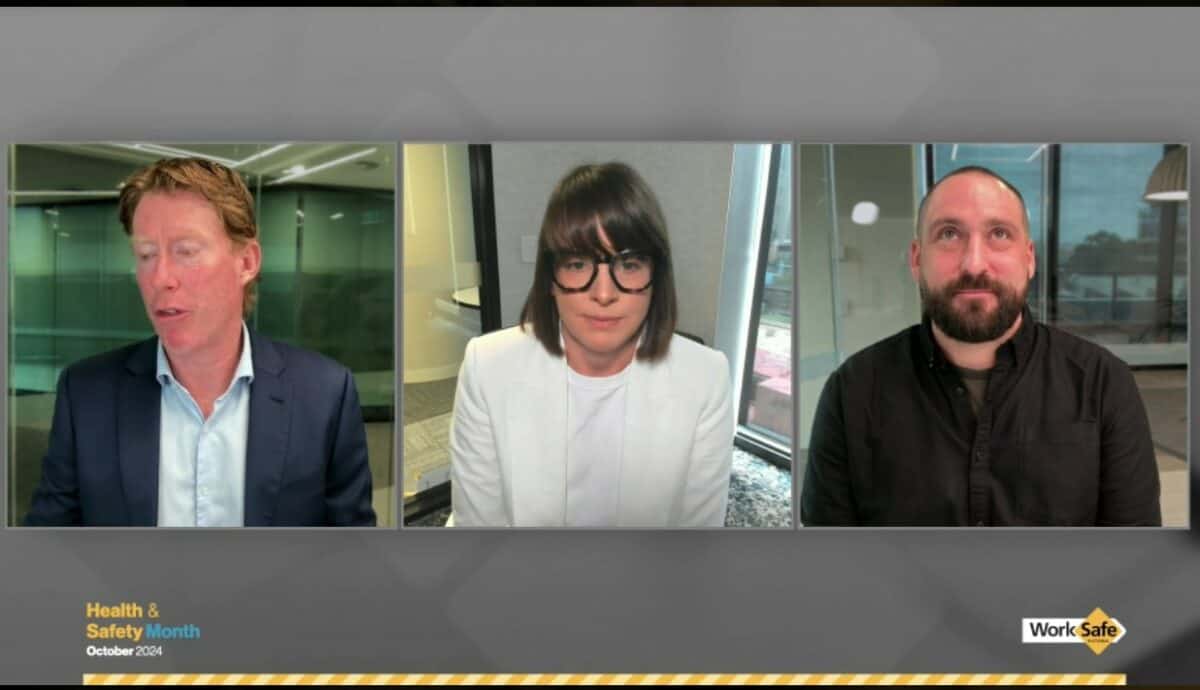
In the last week of October 2024, which is Australia’s National Safe Work Month, WorkSafe Victoria held two notable webinars: “Addressing and improving health and safety issues in the workplace” and ” Prevent and manage psychosocial hazards in the workplace.” The themes were occupational health and safety (OHS), but the webinars differed greatly in content and presentation.

Useful but limited information on discrimination and harassment in Australia’s tech industry
A not-for-profit organisation, Grapevine, released a short annual report on workplace discrimination and harassment notifications. The report received some attention in Australian media as these workplace hazards continue to be topical. The issues blend into the occupational health and safety (OHS) discipline, but the discussions were marked for omitting the OHS and regulatory context.