

Ross Gittins is a prominent Australian economics journalist. In The Age on September 20, 2023, he wrote an article about the recent spate of corporations being prosecuted and penalized for breaking the law. Many of his points can also relate to companies and executives breaking occupational health and safety (OHS) laws.
Continue reading “Toothless enforcement”Category: ethics

OHS context in many mainstream news stories, if you look
Occupational health and safety (OHS) is rarely reported on in the mainstream newspapers but every week OHS is there, adding a contect to a scandal or subtext to a public health risk. Last weekend was no different. The Guardian of September 16, 2023 reported on a review of personal relationships by BP, a prison escape, deaths from air pollution, a more relaxed approach to work, shoplifting and customer aggression, and more.
Why is profit put before safety?
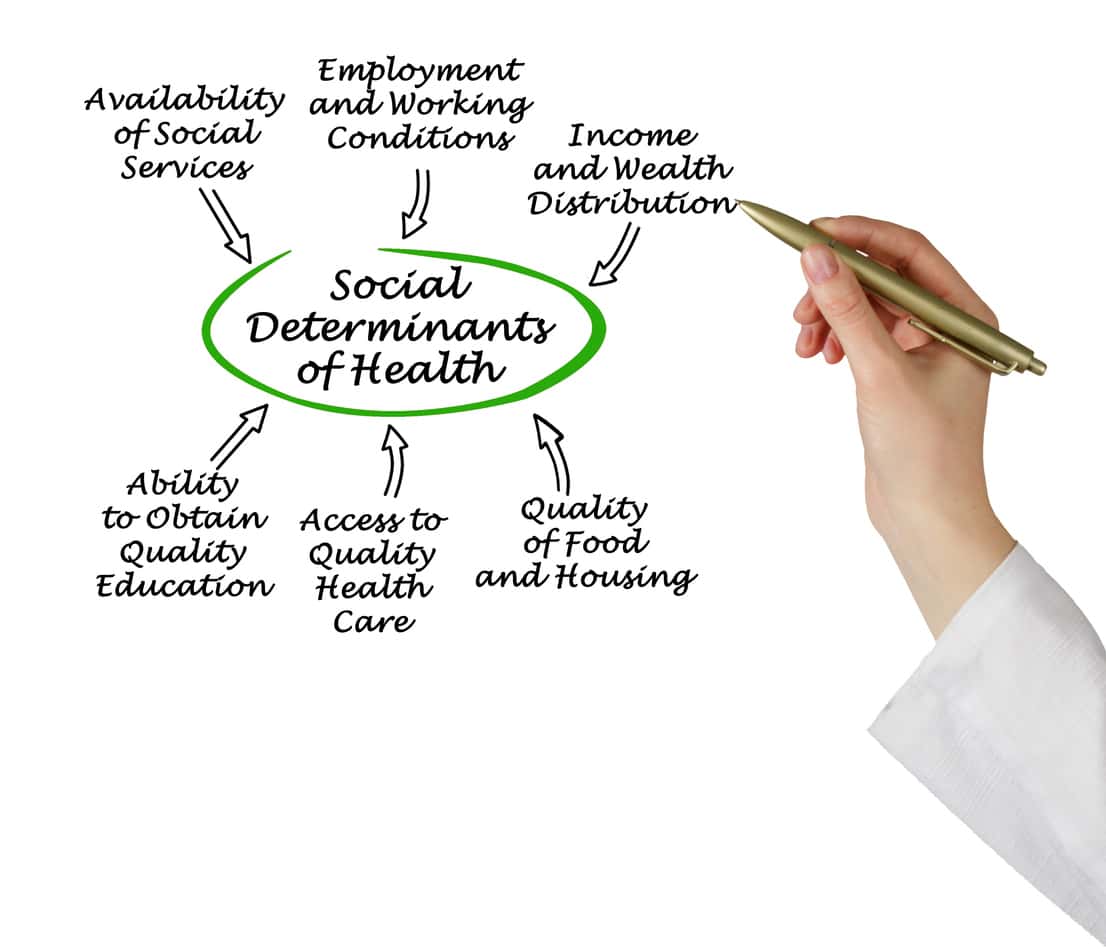
Occupational health and safety (OHS) is a remarkably insular profession. It tends to narrow its focus on legislative compliance even though Social Determinants of Health is a core unit of tertiary OHS education. OHS professionals are also notably weak in understanding the business realities that their employers and customers face. This inability to understand the economic realities is a common criticism of OHS, not reflecting “common sense” and being naïve.
To understand OHS’ limitations and potential, it is necessary to have a basic knowledge of the economic and political ideologies under which clients and employers work. “The Big Myth – How American Business Taught Us to Loathe Government and Love the Free Market”, by Naomi Oreskes and Erik M Conway, contributes to that understanding.

Duty of Care and Love in OHS
Occupational health and safety (OHS) has long been stripped of emotion through an emphasis on evidence, finances, compliance, objectivity, rationality, auditing and key performance indicators. The tide is turning slightly with increased attention on mental health, respect, psychosocial factors, and regaining a professional humanity. This OHS approach remains on the fringes of OHS as the dominance of profit from decades of neoliberal economics and politics continues.
But perhaps what the OHS profession needs is to connect with Love.
Business lobbyist misses the point
Recently the Australian Industry Group Chief Executive, Innes Willox, addressed the National Press Club in Canberra. The AIGroup is one of the “go to” business groups, along with the Business Council of Australia and mining industry groups, that the business media knows will comment on anything when asked, and frequently when not asked. Willox’s August presentation was on Industrial Relations, but it also illustrates the workplace and political culture in which occupational health and safety (OHS) must operate.
“..what it means to act like a man and what it means to work safely..”
Ten years ago, I was enlightened by a presentation on masculinity and occupational health and safety (OHS) by Dean Laplonge at a safety conference in Canberra. He has continued researching that interconnection, and visiting WA and recently released his latest report written for WorkSafe WA after a series of “roadshows”.
After years of scandals in what has been described as the epitome of toxic masculinity, the West Australian mining industry claims to have changed its culture and created a psychologically safer work environment. Culture-As-Usual was not an option after multiple exposures of work-related suicides, sexual assaults, and harassment uncovered by independent and parliamentary inquiries. Laplonge revisited Western Australia and reported on the progress.
OHS lawyer says to trust your gut
Occupational health and safety (OHS) seminars can be a bit hit-and-miss. Sometimes they seem to be a front for promoting a new management program, but every so often, the information offered is perceptive and rewarding. Herbert Smith Freehills partner Steve Bell has been consistently rewarding over many years. No quoting Section 321 of an OHS Act or PowerPoint slide of obscure and semi-important court cases here. His latest seminar appearance covered
- Due Diligence,
- Industrial Manslaughter,
- Psychosocial Risk Assessments
- OHS Harmonisation.