Over twenty years, Finland decreased the male suicide rate by 61%. What can the rest of us learn from that country’s achievement?
[The following article discusses the management of suicide and suicide prevention.]

Over twenty years, Finland decreased the male suicide rate by 61%. What can the rest of us learn from that country’s achievement?
[The following article discusses the management of suicide and suicide prevention.]
Many internet search engines and browsers offer an Artificial Intelligence (AI) search function. The answers seem palatable, convenient and accurate, but are they? I tested the AI search function to see for myself.
Continue reading “Why AI Still Can’t Tell What SafetyAtWorkBlog Really Thinks”Another nightclub fire due to pyrotechnics resulted in many deaths and injuries. Investigations have started, and there is a scramble about who was responsible for not reducing the risks of this type of incident.
The Australian Financial Review reported (via the New York Times and paywalled) on the lack of regulatory enforcement by local authorities.
As Victoria shivers in the middle of its Winter and a cop-killer runs loose in the mountains in the middle of the state, it may seem odd to think about the occupational health and safety (OHS) context of working in excessive heat. However, give us a couple of months, and it will be a hot topic again in the Southern Hemisphere. (First and last weather pun, I promise)
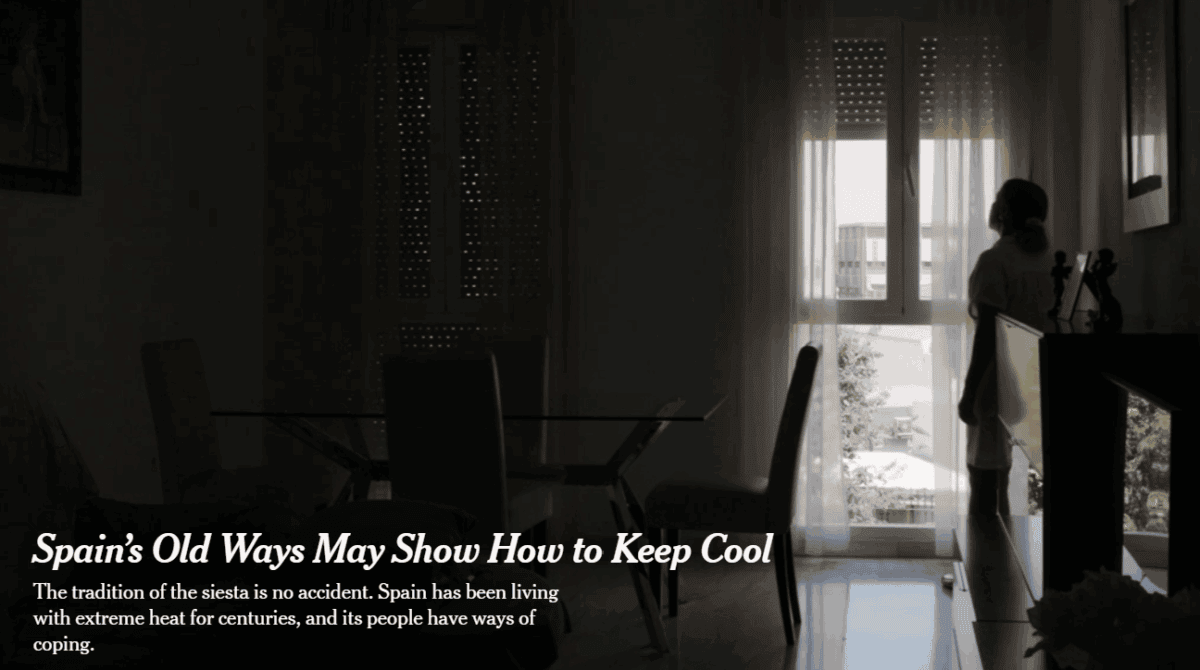
A recent article in The New York Times (paywalled) examined excessive heat in Spain, providing useful details on the changes being implemented—some old, some new.
Any new book from Sidney Dekker is worth reading. His latest is called “Safety Theater – How the Desire for Perfection Drives Compliance Clutter, Inauthenticity, and Accidents”. I am not sure that this book, the third in a series, offers solutions, but it reframes many of the contemporary perspectives on occupational health and health and safety (OHS), and with some intriguing connections.
The latest edition of the European Trade Union Institute’s HesaMag features articles on Artificial Intelligence, but the go-to article for me was the magazine’s perspective on Australia’s ban on engineered stone.
We often learn more about ourselves by reading how others see us, so I was keen to read the perspective of sociologist Catherine Cavalin and historian Alfredo Menendez Navarro.