When Consultation Fails, Psychosocial Safety Fails With It

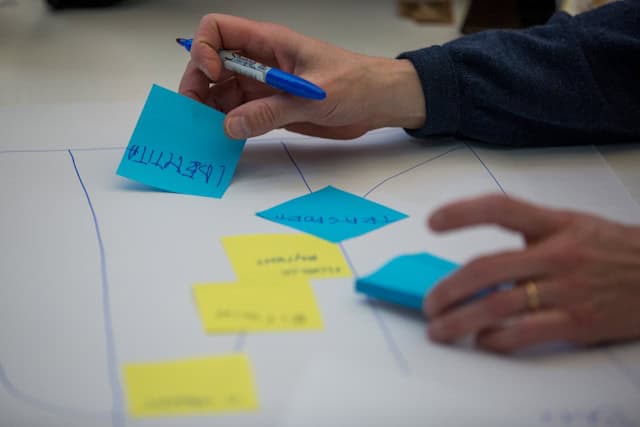
The Human Resources and Human Rights sectors in Australia are increasingly realising how useful the occupational health and safety (OHS) structures, laws and processes can be to preventing harm related to bullying, sexual harassment and gender-based violence. Recently, a joint presentation by Dr Rachel Cox from Canada and Associate Professor Belinda Smith from Australia (pictured above) highlighted this cross-sectoral awakening.

Subscribe to SafetyAtWorkBlog to continue reading.
Subscribe Help
Already a member? Log in here

From Complaints to Control—IAWBH2026 and the Quiet Revolution in Psychosocial Safety

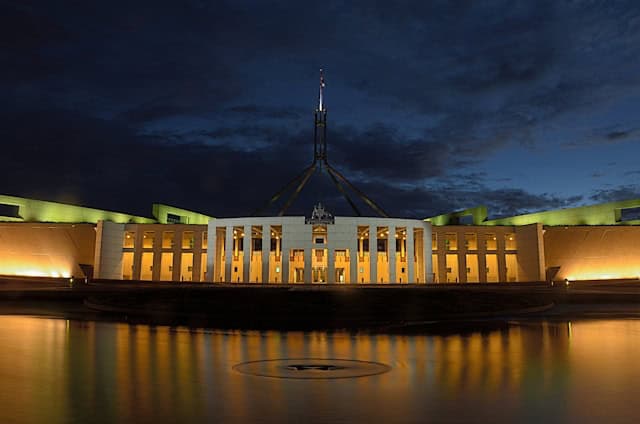
The 2026 conference for the International Association on Workplace Bullying and Harassment (IAWBH) was held in Canberra in June 2026. I was always curious about how prominent the term “psychosocial hazards” would be at this conference. It seems that most of the world still talks about workplace bullying and harassment and sexual harassment separately from the psychosocial, but the occupational health and safety (OHS) approach seems to be in the ascendant.

Below is my take (part 1 of 2) on the conference sessions I attended and the issues raised. (I missed the half day of Day 3). I have tried to use a generic, informative tone for a broader readership.

Subscribe to SafetyAtWorkBlog to continue reading.
Subscribe Help
Already a member? Log in here

Breaking the cycle of inquiry and inaction in emergency services reform

This week saw the release of an inquiry into the workplace culture of the New South Wales police force. The findings were damning, but even though all Australian jurisdictions have police forces, the report received little attention beyond NSW, perhaps because we have heard it before. Coincidentally, this report was published one week after Carlo Caponnechia told an international workplace bullying and harassment conference that similar inquiries around the world have found similar cultural faults.

To address contemporary occupational health and safety (OHS) and community expectations, many businesses need to redesign their operations and organisational structures. The emergency services organisations should be given top priority.

Subscribe to SafetyAtWorkBlog to continue reading.
Subscribe Help
Already a member? Log in here

The Real Groundhog Day: Reports Change, Systems Don’t

Psychological health in the emergency services has come to the fore recently as governments pay more attention to using occupational health and safety (OHS) to push employers to prevent psychosocial hazards. In the emergency services, psychosocial hazards such as trauma cannot all be prevented; the best that can be achieved is lowering these risks as far as is practicable (ASFAIRP). But ASFAIRP is a movable feast, which was on display in two presentations at a recent conference.

Subscribe to SafetyAtWorkBlog to continue reading.
Subscribe Help
Already a member? Log in here

New Industries, Like AI, Treat Regulation Like an Optional Extra

In the movie “Working Girl”, Melanie Griffith’s character reveals how she connected merger opportunities when flipping through a magazine. Today’s Australian Financial Review (AFR) presented a similar set of thoughts on psychosocial hazards and Artificial Intelligence (AI). This connection had the added heft of quotes from prominent Australian lawyer, Michael Tooma.

Subscribe to SafetyAtWorkBlog to continue reading.
Subscribe Help
Already a member? Log in here

The Real Reasons Workload Harm Persists in Modern Workplaces

This year, the International Labour Organisation (ILO) has released excellent information on psychosocial hazards at work to support the World Day for Safety and Health at Work. (Australian researchers seem to have been instrumental in the report) I read the report, looking for more upstream concerns, such as political and socioeconomic factors that lead employers to create or allow work overload, the most significant contributor to work-related stress. This is what I found.

Subscribe to SafetyAtWorkBlog to continue reading.
Subscribe Help
Already a member? Log in here

The Standards Paywall Falls but the Politics Remain

From July 2026, the official Australian Standards for occupational health and safety (OHS) management will become freely available. According to page 142 of Budget Papers Number 2, the Australian government will

“…. provide $55.2 million over four years from 2026–27 (and $11.6 million per year ongoing) to support implementation of reforms to increase productivity.”

Subscribe to SafetyAtWorkBlog to continue reading.
Subscribe Help
Already a member? Log in here
Concatenate Web Development
© Designed and developed by Concatenate Aust Pty Ltd