
 There seems to be a growing community frustration with regulators who hesitate to prosecute breaches of laws, including occupational health and safety (OHS) laws, and about options that sound reasonable, like Enforceable Undertakings, but still let businesses “off the hook”. The calls for Industrial Manslaughter laws are the most obvious manifestations of the anger and frustration from perceived injustices.
But perhaps there was another way to achieve change in workplace safety, a way that could be based on a model that Australia and other countries already have. Continue reading “Australian Workplace Safety Bureau”
 Excessive workplace stress in the medical profession is well documented but stress is often seen as a minor workplace hazard that is fairly easily dealt with by holidays, for instance, or is dismissed as an “occupational hazard” or part of the entry to the profession or just part of the culture, with the implication that nothing can change. Only recently have
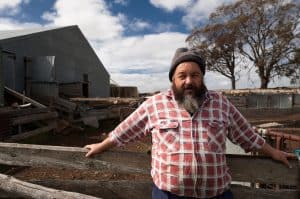 Australia’s occupational health and safety (OHS) agenda seems largely dictated by high risk industries like construction in some States and the mining sector in others. But agriculture is common to all Australia States and is consistently included in the official and unofficial workplace fatality data. New research has been released into serious farm injuries and which voices are the most effective in improving the situation.
 Australia’s Royal Commission into banking and financial services is a few months in and the evidence provided of wrongdoing is so substantial that those who were critical of the need for such an investigation are admitting they were wrong.
 I was born outside Liverpool England well over 50 years ago and have lived on the other side of the world ever since. I love hearing accents from Northern England as it reminds me of my relatives, my roots and, most of all, my Mother. This meant that I had to watch
  The first lot of anonymous submissions to Australia’s