
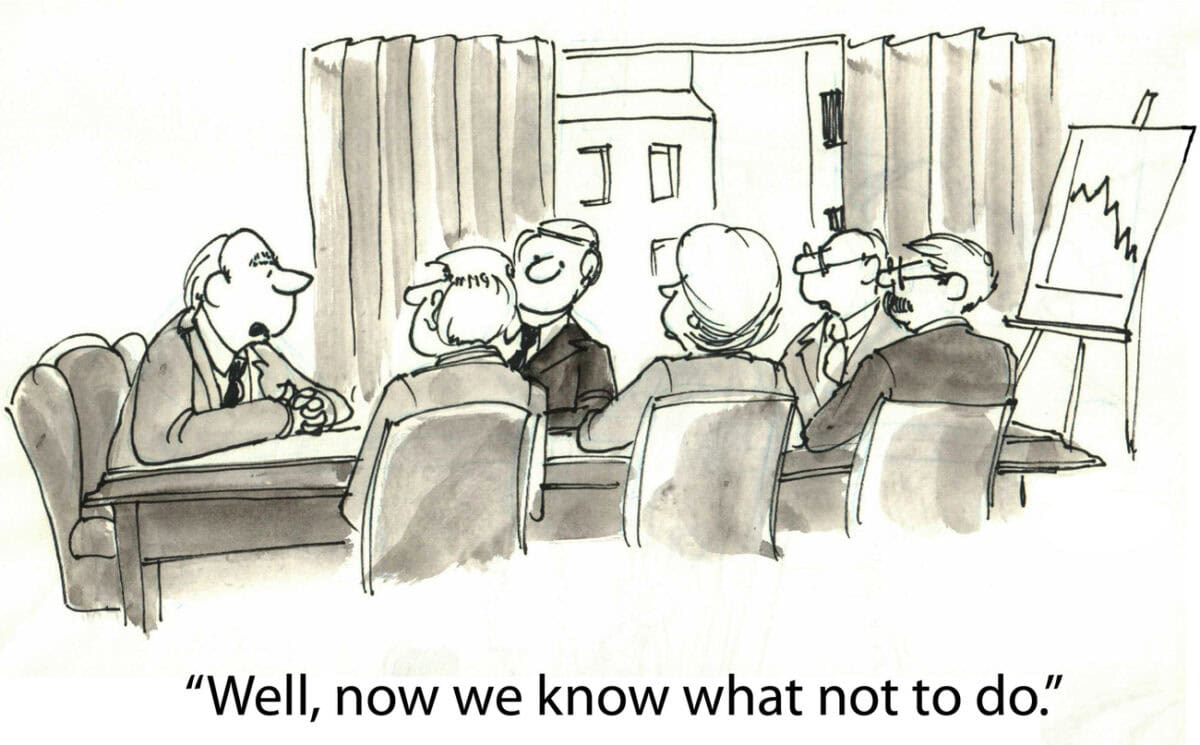
Psychosocial hazards are gaining attention online, but the pace of change remains sloth-like. Two recent online events provide good, basic occupational health and safety (OHS) and organisational psychology information and some insight into the slow pace.
Category: executives

Significant workplace culture investigation but OHS missed again
Australia’s news media is reporting a shocking report about the workplace culture of parts of the Nine Entertainment organisation – bullying, sexual harassment, abuse of power – all the elements of organisational culture that can be found in any company if one scratches the surface. Scratching is one of the aims of the occupational health and safety (OHS) discipline – investigating the causes of harm at the source.
“Can I afford OHS?”
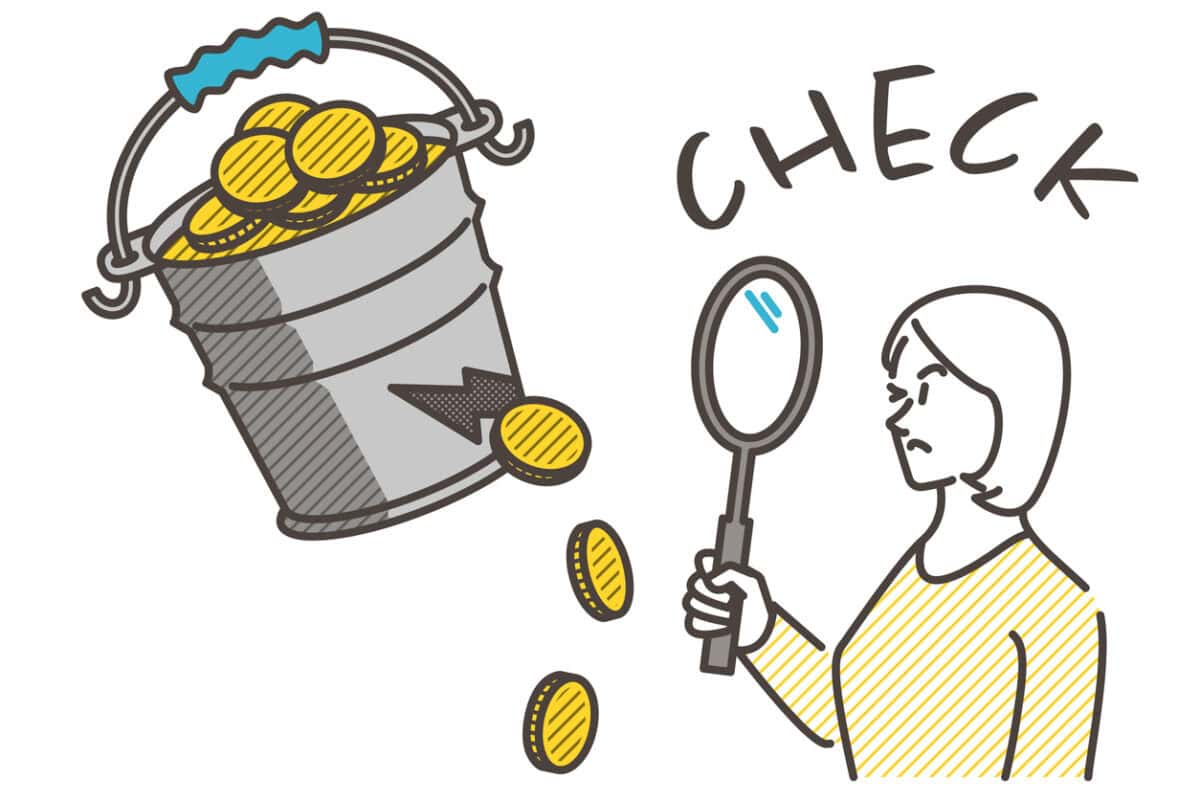
When you fail to speak in support of occupational health and safety (OHS) or, perish the thought, speak against OHS, you must be speaking in support of profit. Some would say the connection is not that simple, but really, it is.
Employers’ critical concern is, “Can I afford OHS?” This question shows a misunderstanding of OHS’s role in business success and continuity. The question would not occur if OHS had been integrated into the design of the business, its operations, and profit forecasts. OHS costs a lot more when it needs to be retrofitted to an existing company.

Business values and OHS impacts
No one outside occupational health and safety (OHS) talks about OHS. Outside of scandals and disasters, OHS is a fringe consideration, especially in the media—social and mainstream. So, OHS needs to insert itself into mainstream conversations. The column by economics journalist Ross Gittins in The Age newspaper on September 23, 2024, says much about OHS without mentioning it.
Veterans, Suicide, Culture and Crompvoets
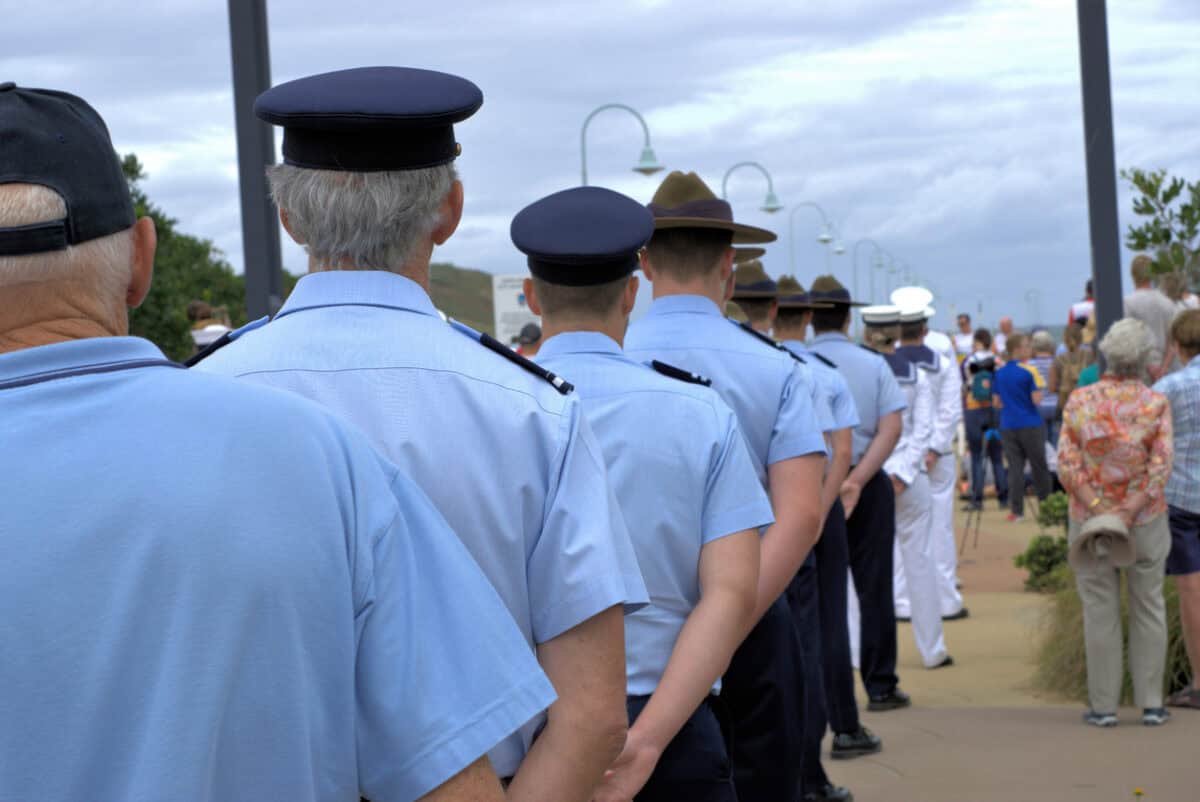
For many years, occupational health and safety (OHS) has been fixated on “Culture” as an encompassing term for what management activity does not work and what does. The focus has faded slightly since the COVID-19 pandemic. Still, Culture made an important reappearance this week with the delivery of the final report of Australia’s Royal Commission into Defence and Veteran Suicide. However, some of the most telling analyses of the safety culture in the Australian Defence Forces occurred in 2021 with the work of Samantha Crompvoets.
NOTE: this article discusses suicides
OHS questions to ponder
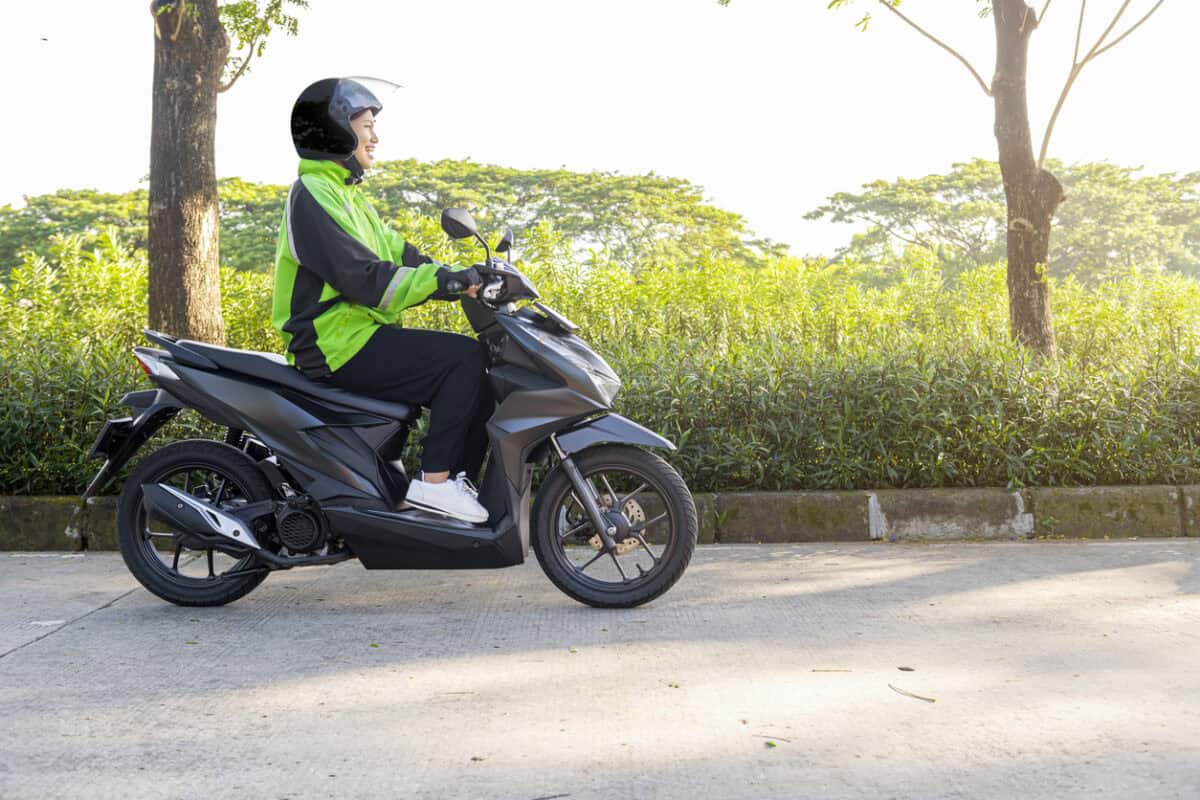
When wearing a motorcycle helmet and motorscooting to and from the office, I (too?) often think about occupational health and safety (OHS) while, of course, being situationally aware (mostly). It is not quite the same as an isolation tank that turned William Hurt into a caveman and a blob, but the quiet allows contemplation.
Below are some of the questions and thoughts from those sessions. Usually, these percolate for a few weeks into a blog article, but I would appreciate readers’ and subscribers’ thoughts. A prize or reward will be sent to the most engaging subscriber.
Keep away from Leadership and start to progress
Lately I have been thinking a lot about Leadership and how it dominates, and unchallenged, how occupational health and safety is managed in Australia. Of the three OHS/business books I bought this week, one included a page about Leadership and how we should move away from it.