

Earlier this year, the Central Safety Group‘s (CSG) monthly guest speaker was Helen O’Keefe, a recruiter. She offered insights into how occupational health and safety (OHS) personnel may be perceived by certain employers. The phrase that pricked my eyes was “blocker”.
Category: executives
Redesigning Risk — Quinlan and Mazzucato Unite to Make Work Safer
Whenever Mariana Mazzucato publishes a new book, she appears in the press everywhere as part of book tours and promotions. Her latest book, The Common Good Economy, is likely to be as influential on government and international policymakers as her other books have been. Australia’s Treasurer, Jim Chalmers, pays close attention to her perspectives. These perspectives relate to the management of occupational health and safety (OHS) because they present a different or tweaked sense of corporate morality, under which workers should be safe and healthy.
This article is not a review of the Common Good Economy book, although it is very good. Instead, I compare Mazzucato’s approach on work to Professor Michael Quinlan‘s take on precarity.

The HR and OHS divide persists
One of my ongoing frustrations — and this blog is a good example — is that occupational health and safety (OHS) is rarely read or heard outside its own bubble. Yet OHS cannot fix OHS problems on its own. We depend on HR, engineers, accountants, risk managers, IT specialists and others, but we almost never get these disciplines in the same room, hearing the same information, facing the same hazards, and designing solutions together.
A recent HR interview with Dr Kat Page offers a useful example.
Another corporate scandal — and why this matters for OHS
Another major company, KPMG, has been caught out in unethical behaviour, lies and mismanagement, only a few years after PwC’s scandal and not long after the damning Banking and Finance Royal Commission. These are the very institutions we are told to treat as exemplars of leadership and governance. Their repeated failures should force employers to question the advice they receive from these firms, including on occupational health and safety (OHS), psychosocial risk and organisational culture.
Breaking the cycle of inquiry and inaction in emergency services reform
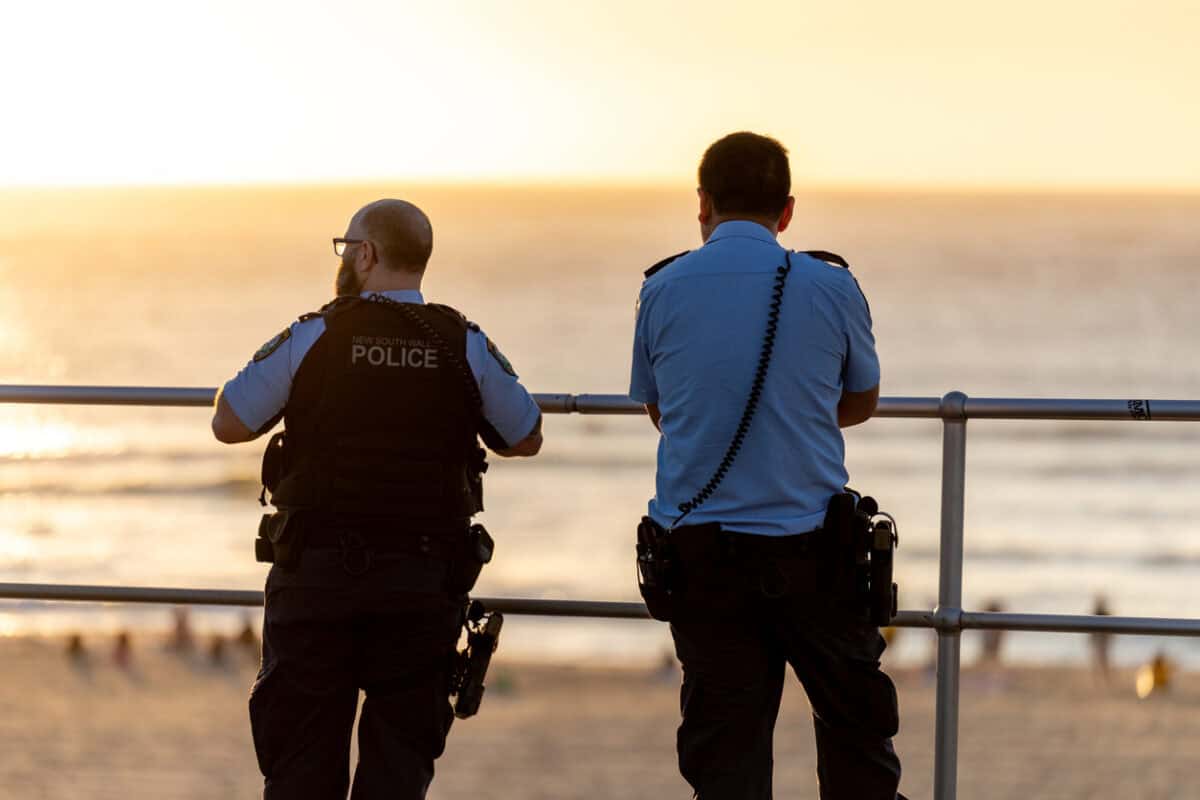
This week saw the release of an inquiry into the workplace culture of the New South Wales police force. The findings were damning, but even though all Australian jurisdictions have police forces, the report received little attention beyond NSW, perhaps because we have heard it before. Coincidentally, this report was published one week after Carlo Caponnechia told an international workplace bullying and harassment conference that similar inquiries around the world have found similar cultural faults.
To address contemporary occupational health and safety (OHS) and community expectations, many businesses need to redesign their operations and organisational structures. The emergency services organisations should be given top priority.
The Real Groundhog Day: Reports Change, Systems Don’t
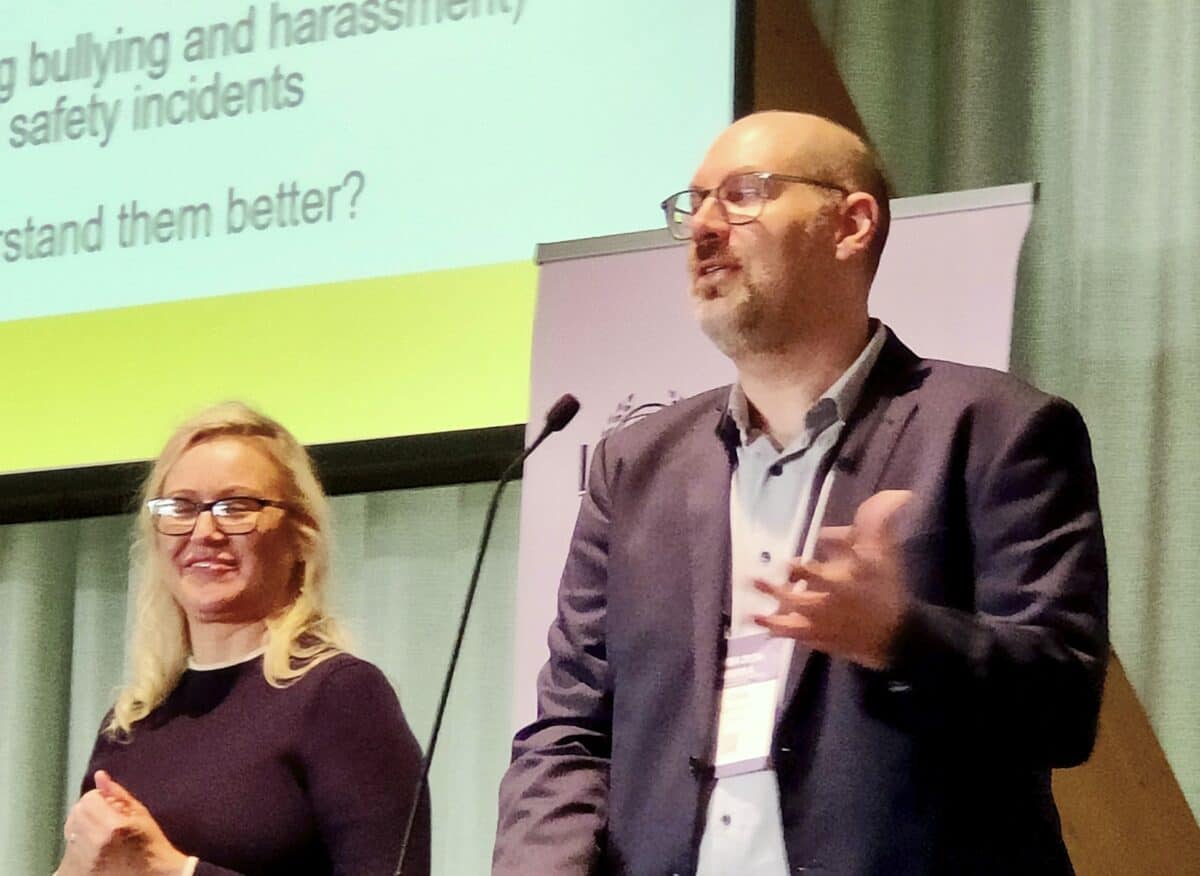
Psychological health in the emergency services has come to the fore recently as governments pay more attention to using occupational health and safety (OHS) to push employers to prevent psychosocial hazards. In the emergency services, psychosocial hazards such as trauma cannot all be prevented; the best that can be achieved is lowering these risks as far as is practicable (ASFAIRP). But ASFAIRP is a movable feast, which was on display in two presentations at a recent conference.

The Real Reasons Workload Harm Persists in Modern Workplaces
This year, the International Labour Organisation (ILO) has released excellent information on psychosocial hazards at work to support the World Day for Safety and Health at Work. (Australian researchers seem to have been instrumental in the report) I read the report, looking for more upstream concerns, such as political and socioeconomic factors that lead employers to create or allow work overload, the most significant contributor to work-related stress. This is what I found.