

Canada’s Institute for Work & Health (IWH) has produced a bold forecast of the future of occupational health and safety (OHS) in its new report, “Work & health 2040: Anticipating changes impacting the futures of occupational health and safety”. The seven trends identified are not greatly surprising. Change is needed to address these trends, but who should, and how to, make the changes is unclear.
Category: executives

“Whom Do Soft Skills Really Serve?”
Every summer in Australia, it seems we are in crisis. Somewhere there is a bushfire, and somewhere else there are cyclones and floods. Somewhere, there are places that experience these two extremes almost at the same time. In all these circumstances, Australians expect strong, effective and compassionate leaders. These expectations affect how corporate executives behave and employ their “soft skills”.

Workism: Australia’s Most Socially Acceptable Form of Self‑Harm
Safe Work Australia states that :
“A psychosocial hazard is anything that could cause psychological harm (e.g. harm someone’s mental health).”
Preventing these hazards is most effective and sustainable through redesigning work, but this approach should not deny that personal decisions can also be hazardous. In the broader social and occupational contexts, it is worth considering workism as a psychosocial hazard.
Why Global Initiatives Won’t Prevent Workplace Harm
Every few years, a new global initiative arrives promising to reshape corporate behaviour. The Sustainable Development Goals (SDGs) were meant to align business with human well-being. The Global Reporting Initiative (GRI) promised transparency. ESG (Environmental, Social and Governance) reporting was sold as the market‑friendly mechanism that would finally make corporations care about people and the planet.
Yet here we are, decades into these frameworks, and the pattern of harm inside workplaces looks remarkably familiar. Catastrophic failures still occur in companies with immaculate sustainability reports. Precarious work continues to expand. Psychosocial harm is rising, not falling. And the gap between what corporations say and what they do has never been wider.
The uncomfortable truth is that these global initiatives are not designed to prevent harm. They are designed to signal responsibility without redistributing power. And harm prevention, as we know from decades of occupational health and safety (OHS) experience, is fundamentally a question of power.
Has Having Safe and Healthy Work as a Human Right Improved OHS in Australia?
When the International Labour Organisation declared safe and healthy work a fundamental human right in 2022, Australia quietly joined a global shift that reframed workplace safety from a technical discipline to a matter of human dignity. It didn’t make headlines. It didn’t trigger a legislative overhaul. But it did change the ground rules.
The question is whether this shift has improved worker health and safety in Australia—or whether it risks becoming another layer of symbolic language sitting comfortably above the realities of work.
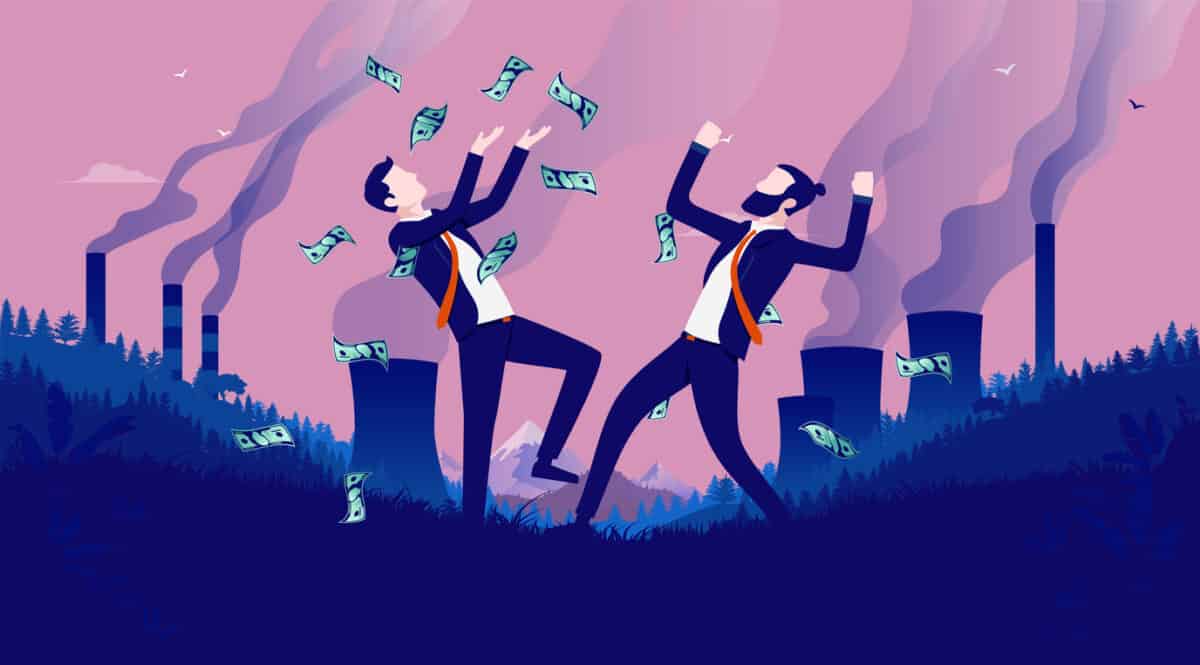
Why Corporations Reject the Models That Would Prevent Harm
Walk through any corporate sustainability report and you’ll find the same familiar choreography: a glossy declaration of “unwavering commitment to safety,” a handful of photos featuring smiling workers in immaculate PPE, and a CEO foreword that reads like it was written by a risk‑averse committee. What you won’t find is any serious engagement with the economic structures that produce harm in the first place.
For decades, scholars have been mapping the relationship between capitalism and workplace injury. They’ve shown, with depressing consistency, that harm is not an aberration but a predictable by‑product of systems designed to extract value from labour while externalising risk. Yet when these same scholars propose alternative models — models that would reduce harm by redistributing power, stabilising labour markets, or democratising decision‑making — executives respond with a familiar repertoire of excuses.
This article examines why. In a couple of real-world case studies, corporations were presented with opportunities to adopt safer, fairer, more accountable models — and chose not to.
Because the truth is simple: executives don’t reject these proposals because they’re unworkable. They reject them because they work exactly as intended.
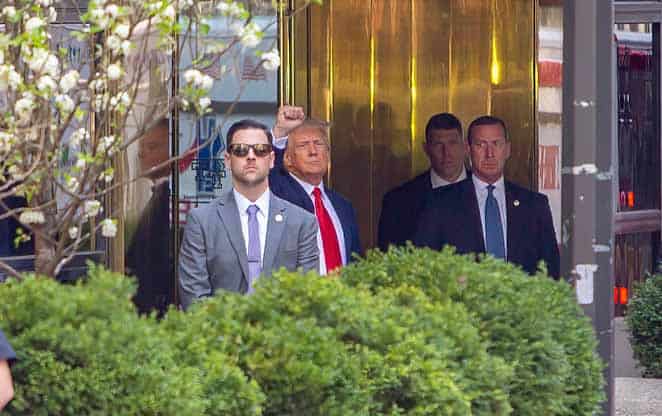
‘I’ll Obey the Laws I Like’: A (Sad) Leadership Masterclass
The President of the United States has always been recognised as a major leader. The morality they display spreads to global corporate leaders, especially those in the United States, and is promoted by these leaders, business institutions and management publications to business leaders and senior executives in Australia. That is why some of President Donald Trump‘s recent comments are so concerning.