WorkSafe Victoria’s new 5-year plan

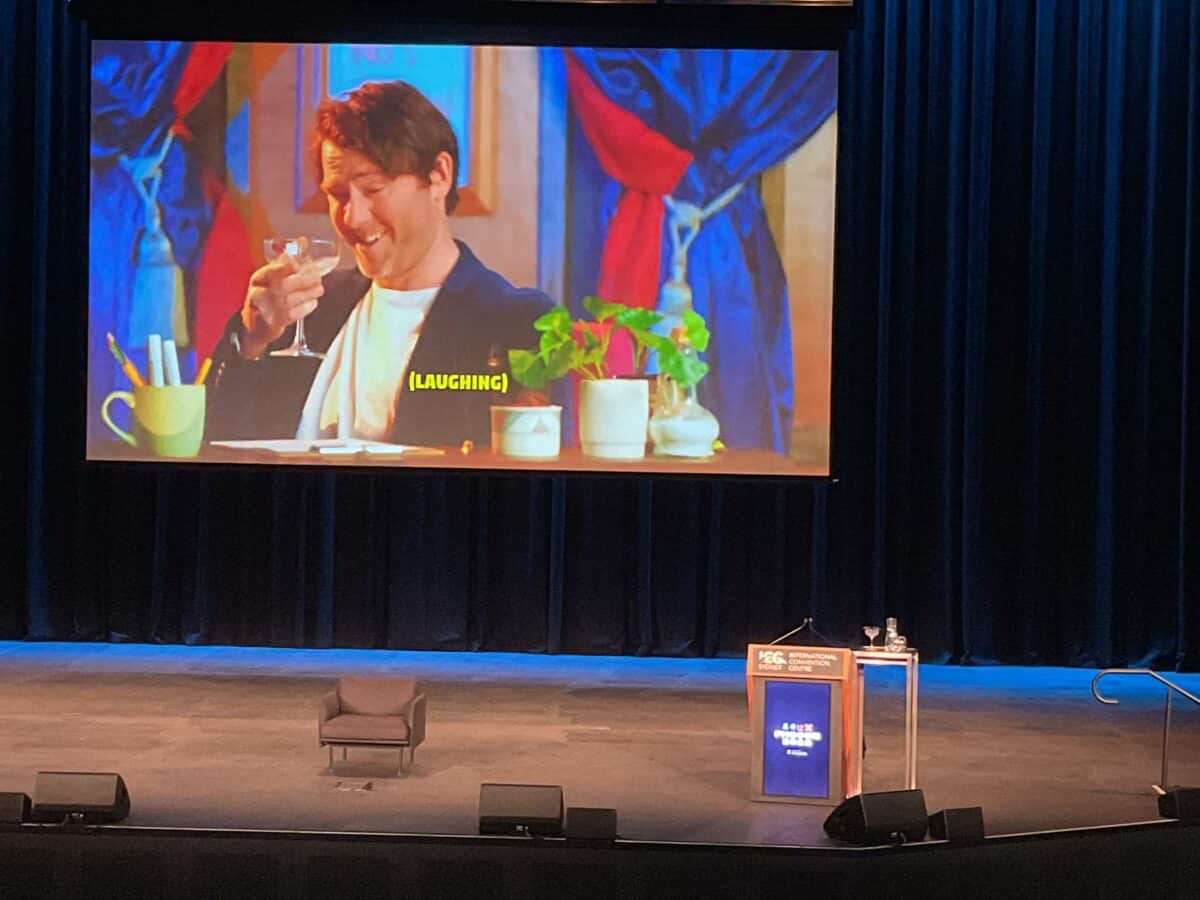
At WorkSafe Victoria’s Awards night, Minister Ben Carroll said he was pleased to be involved with WorkSafe’s new 5-Year Plan to be launched on February 28,2025. WorkSafe executive Sam Jenkin summarized the plan’s principal aims in his speech. He said:

Subscribe to SafetyAtWorkBlog to continue reading.
Subscribe Help
Already a member? Log in here

Another Executive leaves WorkSafe Victoria and new psychological regulations announced

For personal reasons, Joe Calafiore, Chief Executive Officer of WorkSafe Victoria, announced his departure today after less than eighteen months. Narelle Beer departed in mid-2024.

Calafiore said in a staff email that:

“This job is 100% or nothing, and at this stage I am unable to commit the full focus that the role requires.”

WorkSafe Victoria Chair Bob Cameron told staff:

Subscribe to SafetyAtWorkBlog to continue reading.
Subscribe Help
Already a member? Log in here

Still insufficient answers to the Delacombe trench deaths

Last week, the Victorian Coroner, Leveasque Peterson, released her findings into the deaths of Charlie Howkins and Jack Brownlee from a trench collapse on a residential construction site in Delacombe in March 2018. The employer, Pipecon, pleaded guilty to occupational health and safety (OHS) law breaches and was successfully prosecuted by WorkSafe Victoria. But the guilty plea meant there was only a cursory investigation of the OHS elements of the incident.

This month’s coronial findings have come without the opportunities offered by a formal inquest. So, where are the answers? What management decisions caused the trench to collapse and lead to the deaths of Jack and Charlie? The available answers seem insufficient. What lessons can be drawn from these legal processes to stop similar incidents occurring elsewhere?

Subscribe to SafetyAtWorkBlog to continue reading.
Subscribe Help
Already a member? Log in here

Work Health and Safety through a new perspective

2025 has started with a flurry of blog activity and more than a flurry of political change in the United States. It is easy to become distracted by those changes, but a refocus on local issues, new thoughts, perspectives, and new books may generate a balance of sanity. Here is a taste of one book that I have not had time to read entirely but that has potential.

Subscribe to SafetyAtWorkBlog to continue reading.
Subscribe Help
Already a member? Log in here

Handy and organisational culture

Charles Handy died in December 2024. He was a prominent author on organisational behaviour and business management and was recognised as a major thinker. It is fair to describe him as a pre-Internet influencer. His ideas never went away, but they faded under the neoliberal onslaught. With the decline of that ideology, Handy’s approach to organisational culture deserves a reread.

Continue reading “Handy and organisational culture”

CEOs and regulations

The Australian Financial Review conducts many conferences, business summits and CEO surveys to provide publishable content (and as a marketing strategy). Over the last month, several articles and features have been produced from its “Chanticleer CEO Survey”; one is called “Red tape standing between business and Australia’s policy challenges” (hard copy title, paywalled). I scanned the CEOs’ comments for relevance to occupational health and safety (OHS) and harm prevention.

Subscribe to SafetyAtWorkBlog to continue reading.
Subscribe Help
Already a member? Log in here

Seeing OHS law as a social law could change how OHS is seen and its future

Occupational health and safety has traditionally been considered under the category of industrial, or industrial relations, but largely this is due to the major advocates of OHS being the trade union movement. So OHS seems to fit with workers’ rights under the issues of wages and conditions, but really OHS is a social law.

According to one definition social law is:

“…any law, rule or regulation (including international treaty obligations) applicable in any jurisdiction concerning 
– labour, 
– social security, 
– the regulation of industrial relations (between government, employers and employees),
– the protection of occupational, as well as public, health and safety, 
– the regulation of public participation, 
– the protection and regulation of ownership of land rights (both formal and traditional), immovable goods and intellectual and cultural property rights, 
– the protection and empowerment of indigenous peoples or ethnic groups, 
– the protection, restoration and promotion of cultural heritage, and 
– all other laws, rules and regulations providing for the protection of employees and citizens.”

OHS meets several elements of this definition.

Subscribe to SafetyAtWorkBlog to continue reading.
Subscribe Help
Already a member? Log in here
Concatenate Web Development
© Designed and developed by Concatenate Aust Pty Ltd