
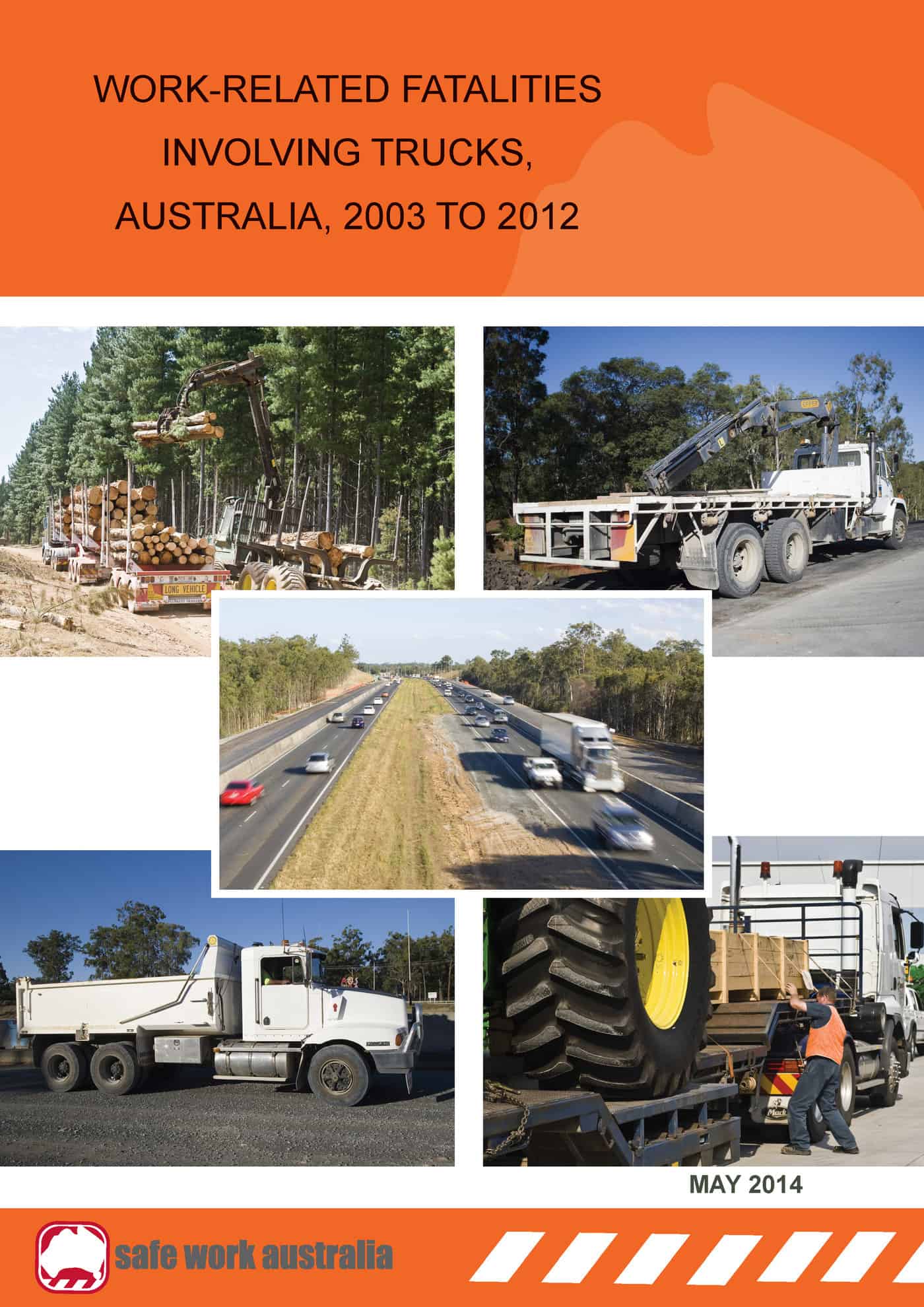
Missed lessons from work-related traffic incidents

Cover of Work-related-fatalities-involving-trucksIn early 2014 a truck driver drove his vehicle into an intersection, collided with a car resulting in the death of four out of five members of one family. The truck driver, Jobandeep Gill, has been sentenced to 10 years jail.  Video of the incident site shows a company name on the side of the van.  It is not possible to determine who Gill was driving for or what his employment status was but, regardless of this, it seems a work vehicle was involved in the death of four people, and therefore occupational safety laws (OHS) may have been broken.

It is accepted by OHS regulators that a truck is a workplace for the driver and that OHS responsibilities of all workers include

“… take reasonable care for the health and safety of persons who may be affected by the employee’s acts or omissions at a workplace…” (Section 25 of the Victorian OHS Act 2004)

On 25 November 2015, Dr Rwth Stuckey stated at an ISCRR seminar that:

“WRR (work related road) crashes [are the] leading cause of traumatic work-related fatality & injury in most westernised countries.”

So why don’t OHS regulators follow-up WRR crashes by interviewing the truck owners or the employers of the drivers?  Perhaps statistics don’t support Dr Stuckey?
Subscribe to SafetyAtWorkBlog to continue reading.
Subscribe Help
Already a member? Log in here

The 39 (per cent) Steps

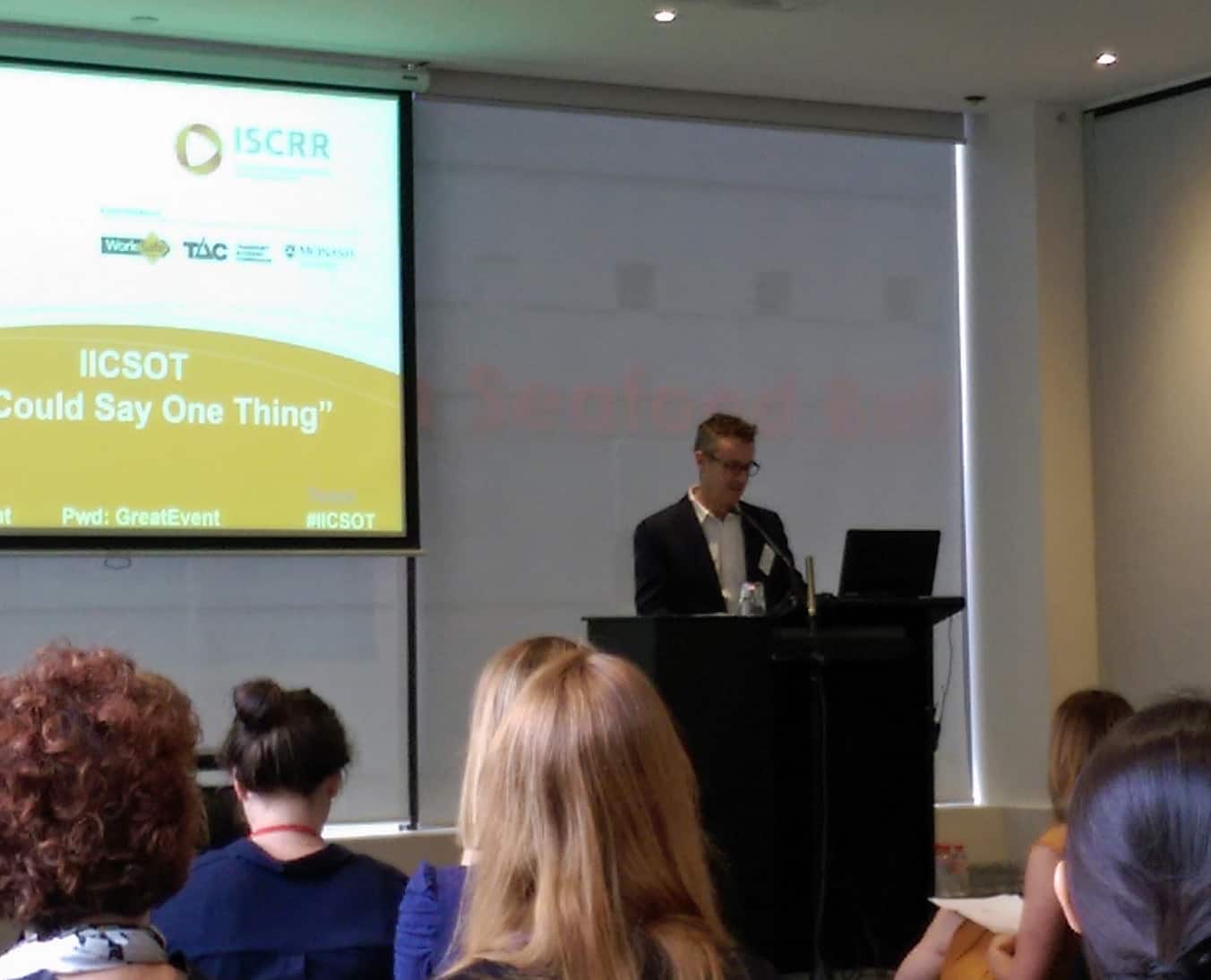
ISCRR IICOT 251115 editAt lunchtime today, the Institute for Safety, Compensation and Recovery Research (ISCRR) conducted a short seminar of five 7-minute presentations, predominantly, from academic researchers.

The most significant statistic provided was by Dr Genevieve Grant who said that only 39% of injured workers submit claims for workers compensation.  The significance is that the Australian government, OHS regulators and policy makers rely on the number of claims being a measure of the level of workplace safety.

This figure illustrates the absurdity of many of the statements made about which is the safest State in Australia.   Continue reading “The 39 (per cent) Steps”

Time to reassess our approaches to machinery safety

9781472450777.PPC_alternative mobilitesTalking about workplace safety and machine manufacturing is unfashionable, perhaps because Australia’s manufacturing capacity is in strong decline. And occupational health and safety (OHS) seems preoccupied at the moment with psychosocial hazards and wellness.  But one Australian researcher, Elizabeth Bluff, has undertaken an empirical study of safety attitudes, motivations and practice in the manufacturing and OHS regulatory sectors and produced a remarkable book that needs to be read by everyone involved with workplace health and safety.

Bluff writes

“In illuminating the mechanisms underlying manufacturers’ responses for machinery safety the research also makes wider conceptual and theoretical contributions.  It provides insights into knowledge and motivational factors as principal elements shaping firm performance for social and regulatory goals, and advances understanding of how these elements are constituted in the everyday operations of firms and their interactions with external actors.” (page 3)

Continue reading “Time to reassess our approaches to machinery safety”

Bridging Health and Safety, a matter of urgency as well as good business sense?

Susan Fleming, Managing Director of Acting Consulting Training Australia attended a breakfast seminar on November 10 2015 and has provided this guest post .

“We have been shouting about safety for some time and in contrast whispering about well-being and health in the workplace. We need to address this as a matter of urgency”

Perth breakfast seminar 101115Judith Hackitt, Chair of the UK Health and Safety Executive addressed the issue of University of Western Australia Centre For Safety (UWA Centre for Safety) breakfast on 10 November 2015.
In a prudent and well-programmed session, the UWA Centre for Safety inspired good debate about the business impact the well-being of employees is having on the workplace.

Subscribe to SafetyAtWorkBlog to continue reading.
Subscribe Help
Already a member? Log in here

“Old” documents improve the context of modern OHS initiatives

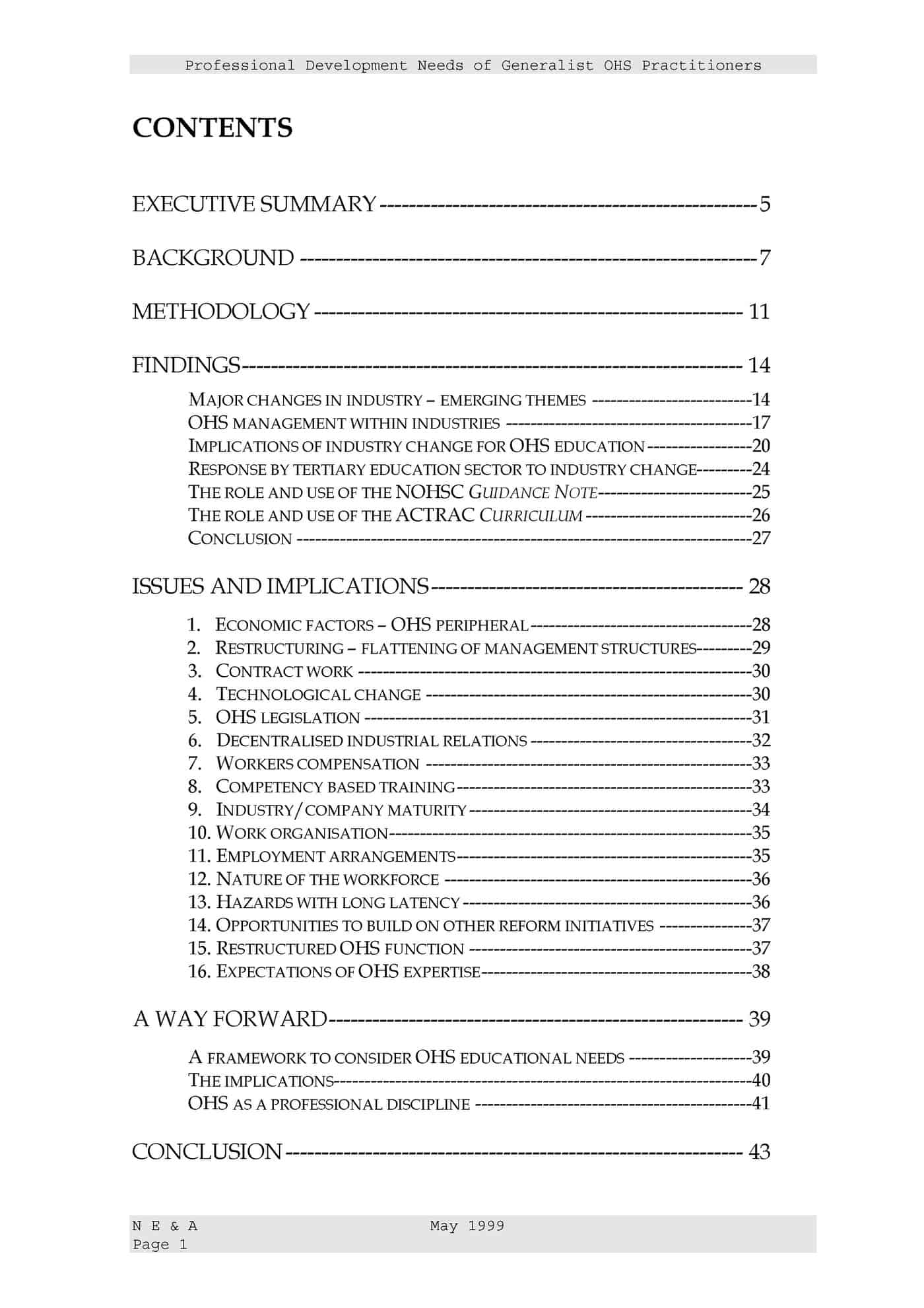
cover of Professional Development Needs of Generalist OHS PractitionersSeveral long and involved phone conversations resulted from last week’s articles on Australia’s Occupational Health and Safety (OHS) Body of Knowledge (BoK) and its role in accreditation of tertiary OHS courses.  It is worth looking at the origins of some of the issues behind the research on these safety initiatives.

One important document was published by the National OHS Commission (NOHSC, a forerunner of Safe Work Australia) in 1999 – “Professional Development Needs of Generalist OHS Practitioners“* .  This NOHSC document continues to be referenced in the continuing debates listed above and illustrates the need to understand our recent OHS past. Continue reading ““Old” documents improve the context of modern OHS initiatives”

OHS formally enters professional sports

On November 9 2015, WorkSafe Victoria charged the Essendon Football Club with breaches of the occupational health and safety (OHS) law over its controversial supplements program. This blog has watched how the Australian Football League (AFL), in particular, has acknowledged its OHS obligations and duties.  This interest has been shared by Dr Eric Windholz who wrote about the charges today.

Windholz acknowledges that WorkSafe Victoria has established a formal presence in professional sports with its decision to prosecute.  

Subscribe to SafetyAtWorkBlog to continue reading.
Subscribe Help
Already a member? Log in here

EU provides clues for improving safety management

Cover of ef1551enThe European Union conducts research into occupational health and safety that, although there may be cultural and legislative differences, deserves attention from outside that geographical region.  Recently EuroFound released its annual review for 2014.  There are a couple of research projects that deserve consideration, particularly return-on-investment in construction safety, violence at work, psychosocial issues and precarious work risks. Continue reading “EU provides clues for improving safety management”

Concatenate Web Development
© Designed and developed by Concatenate Aust Pty Ltd