
Drug and alcohol testing for Australian construction sites

On 18 September 2015 Senator Eric Abetz introduced amendments to the Building Code so that drug and alcohol testing will be required on construction sites.  In his media release he states that:

“The construction industry is a high risk industry where the risks associated with the use of heavy machinery, mobile equipment, working in congested areas and working from heights, are accentuated by the effects of alcohol and drug use.”

Following this argument, would not greater safety benefit be gained by addressing the risks posed by machinery, working at heights and in congested areas?  Drug and alcohol testing will do little to reduce these risks, or more correctly, hazards.  Being impaired may make it more likely for a worker to fall while working at heights but creative and safe design could eliminate the risk of working at heights altogether. Continue reading “Drug and alcohol testing for Australian construction sites”
Inquiry into precarious/insecure work includes OHS

2015 has been a big year for public attention on the exploitation of workers.  In May, the Four Corners program revealed the exploitation of, largely, migrant or illegal workers in the food processing and vegetable growing sectors.  In the last month, 7Eleven workers have featured, also after a Four Corners investigation in conjunction with Fairfax Media.  In both cases, workplace safety has been mentioned but not featured.

In September 2015, the Victorian (Labor) Government released the

Subscribe to SafetyAtWorkBlog to continue reading.
Subscribe Help
Already a member? Log in here

Old school OHS in mining

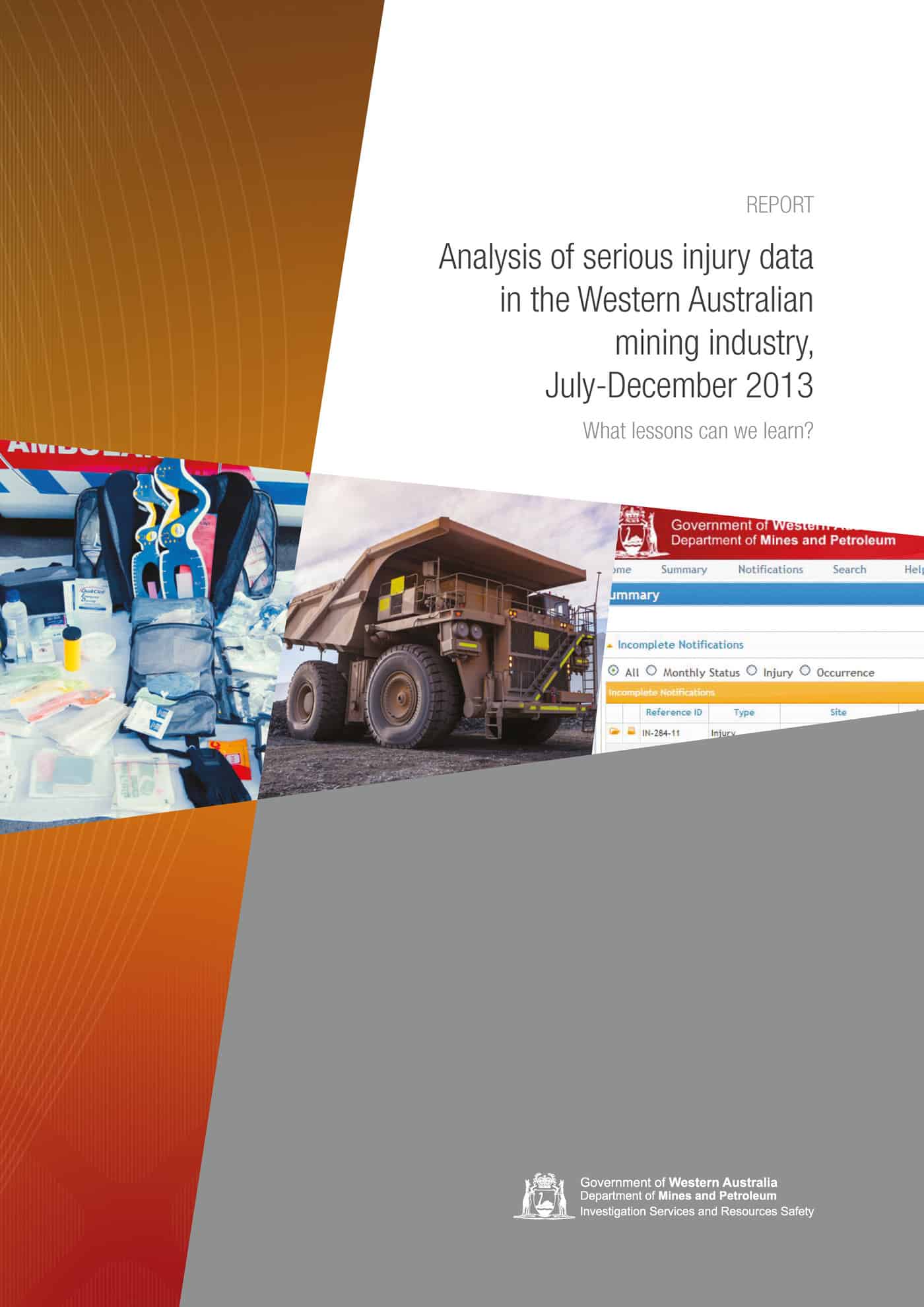
Cover of RP_SeriousInjuryReportMINING2015In August 2015, Western Australia’s Department of Mines & Petroleum (DMP) released a statistical analysis that seems to do little more than confirm what is already known.  It is important to validate data but the mining sector often promotes itself as leading in occupational health and safety (OHS) but this report seems dull and dated. Continue reading “Old school OHS in mining”

Analysing safety leadership can be distracting

Any blog about occupational health and safety (OHS) will write repeatedly about leadership.  Safe Work Australia advocates leadership as beneficial to OHS:

“When leaders make sure all business risks, including work health and safety, are effectively managed, and continually monitor and review all areas of their business’ performance, they will be open to opportunities for innovation, and alert to emerging hazards.”

But leadership requires someone to apply it and often, in the OHS sphere, people wait for others to show leadership rather than seeing their own potential.

Subscribe to SafetyAtWorkBlog to continue reading.
Subscribe Help
Already a member? Log in here

National OHS performance indicators needed

Since the release of the 2015 Citi report into the occupational health and safety (OHS) performance of the companies in the ASX200 stick exchange rankings, this blog has received many requests for a copy of the report to assist in the benchmarking of performance. Clearly performance indicators for OHS remain contentious and difficult but this does not need to be the case.

Citi’s recent report stated that key performance indicators (KPIs) should meet three needs:

  • “internal monitoring for continuous improvement to reduce incidents;
  • benchmarking and sharing lessons within the industry; and
  • transparent disclosure to stakeholders.”

Continue reading “National OHS performance indicators needed”

Concatenate Web Development
© Designed and developed by Concatenate Aust Pty Ltd