Engineering controls are possible, and they save lives

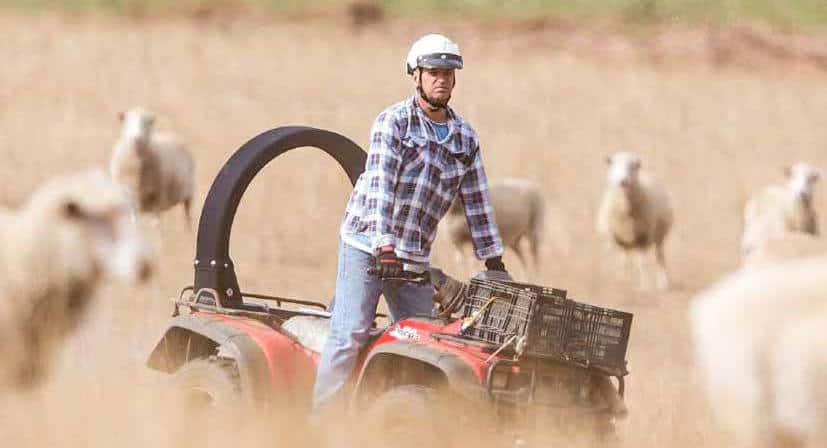
The issue of quad bike safety has largely disappeared from the mainstream media. This is largely due to the decline in opposition to installing Crush Protection Devices (CPD) on newly-purchased quad bikes in line with the Australian Competition and Consumer Commission (ACCC) mandated safety standards. On November 24 2022, the ACCC released statistics that showed the success of applying an Engineering Control (the CPDs) favoured by the safety advocates over the Administrative Controls (training, signage and dynamic riding) favoured by the manufacturers and their lobbyists.

The quad bike safety saga in Australia, in particular, is a textbook study of farm politics, globalisation, belligerence, the ownership of evidence, the macho culture of independence, manipulation of consumers, ineffective politics, ineffective occupational health and safety (OHS) arguments, the power of money and more. (There’s an important book challenge to anyone who has the time and the resources)

Subscribe to SafetyAtWorkBlog to continue reading.
Subscribe Help
Already a member? Log in here

The bubble has burst. Bring on the next one.

The legal action by Self-Employed Australia’s Ken Phillips to hold the Victorian Premier, Daniel Andrews, ministers and senior bureaucrats accountable for COVID-19-related deaths stemming from the failure of the hotel quarantine program appears to have failed. At least it has in the courts, fringe community and political views still exist saying that Andrews should be pursued for murder or industrial manslaughter.

Subscribe to SafetyAtWorkBlog to continue reading.
Subscribe Help
Already a member? Log in here

OHS legal changes you might have missed

If you needed confirmation that the mainstream media is disinterested in occupational health and safety (OHS) unless there is a disaster or the incident can be narrowly categorised as sexual harassment, bullying or suicide, last week, the Australian Parliament passed important amendments to the Model Work Health and Safety laws. It seems OHS cannot compete with sexual harassment laws (I’m okay with that) or Industrial Relations (or Australia’s wins in the World Cup).

On December 1 2022, Workplace Relations Minister Tony Burke‘s Second Reading Speech included the removal of insurance policies that could pay for financial penalties awarded against OHS breaches and a pledge to put Industrial manslaughter back on the national agenda.

Subscribe to SafetyAtWorkBlog to continue reading.
Subscribe Help
Already a member? Log in here

When a ban is an understandable stunt

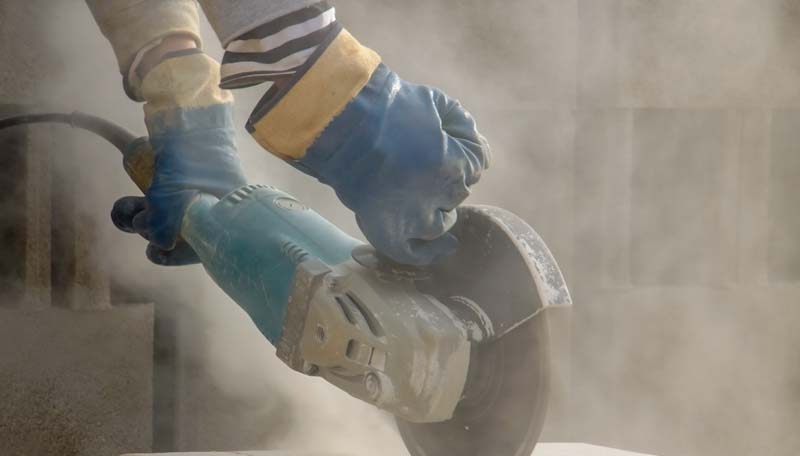
Australia has yet to offer a good reason for hazardous engineered stone products not being banned from import and use. On November 23 2022, Australia’s most influential construction union, the CFMEU, stated that it would ban these products from mid-2024 if the Federal Government does not. Trade unions no longer have the level of influence or numbers to achieve these sorts of bans. As with asbestos many years ago, such campaigns risk taking more credit for the potential occupational safety and health reforms than they deserve.

Subscribe to SafetyAtWorkBlog to continue reading.
Subscribe Help
Already a member? Log in here

Old working hours concepts persist as subtext in new debates

One of the most contentious occupational health and safety (OHS) elements of industrial relations negotiations is the issue of working hours. And one of the most effective ways to prevent physical and psychological harm is by talking about working hours. The evidence for harm from excessive and often unpaid hours is clear, but some assumptions crop up in the debate every so often.

Two recent books, one by David Graeber & David Wengrow and another by Daniel Susskind, offer reminders of these issues and are useful adjuncts to the Australian research on precarious work by Michael Quinlan, Phillip Bohle and others. ( A Guardian review of Graeber & Wengrow is available here with one from The Atlantic here, Susskind here and here)

Subscribe to SafetyAtWorkBlog to continue reading.
Subscribe Help
Already a member? Log in here

You don’t have to talk about OHS to talk about OHS

On November 16 2022, Tony Burke, Minister for Employment and Workplace Relations, spoke at the National Press Club in Canberra. Although his portfolio has occupational health and safety (OHS), workplace health and safety was mentioned only once in passing. In this instance, that’s okay because he is trying to pass a major piece of industrial relations (IR) law. But some of his speech raised issues related to work or how businesses are managed, which do have important OHS contexts.

Subscribe to SafetyAtWorkBlog to continue reading.
Subscribe Help
Already a member? Log in here

Dan Andrews and “safe jobs” and People versus Profit

“Jobs” is a term regularly used in election campaigns as creating jobs can provide wealth directly to those working and less directly to their employers. But rarely are “safe jobs” mentioned.  The Victorian Premier Daniel Andrews mentioned “safe jobs” in his campaign speech for the election later this month.  Perhaps more interesting is his pledge to put people before profit.

Andrews was speaking of his success in creating 600,000 jobs since he came to power eight years ago.  He said:

“…..when we came to government, we promised we’d get Victoria back to work. Since then, we’ve created nearly 600,000 jobs. More than 300,000 since September 2020. But it’s not just jobs. We want them to be good, secure, safe jobs. It’s why we introduced Australia’s first-ever wage theft laws. And it’s why we made workplace manslaughter exactly what it is: a crime. But when it comes to making Victoria stronger, safer and fairer, our work is far from over.”

Subscribe to SafetyAtWorkBlog to continue reading.
Subscribe Help
Already a member? Log in here
Concatenate Web Development
© Designed and developed by Concatenate Aust Pty Ltd