Off-centre perspectives can offer great potential

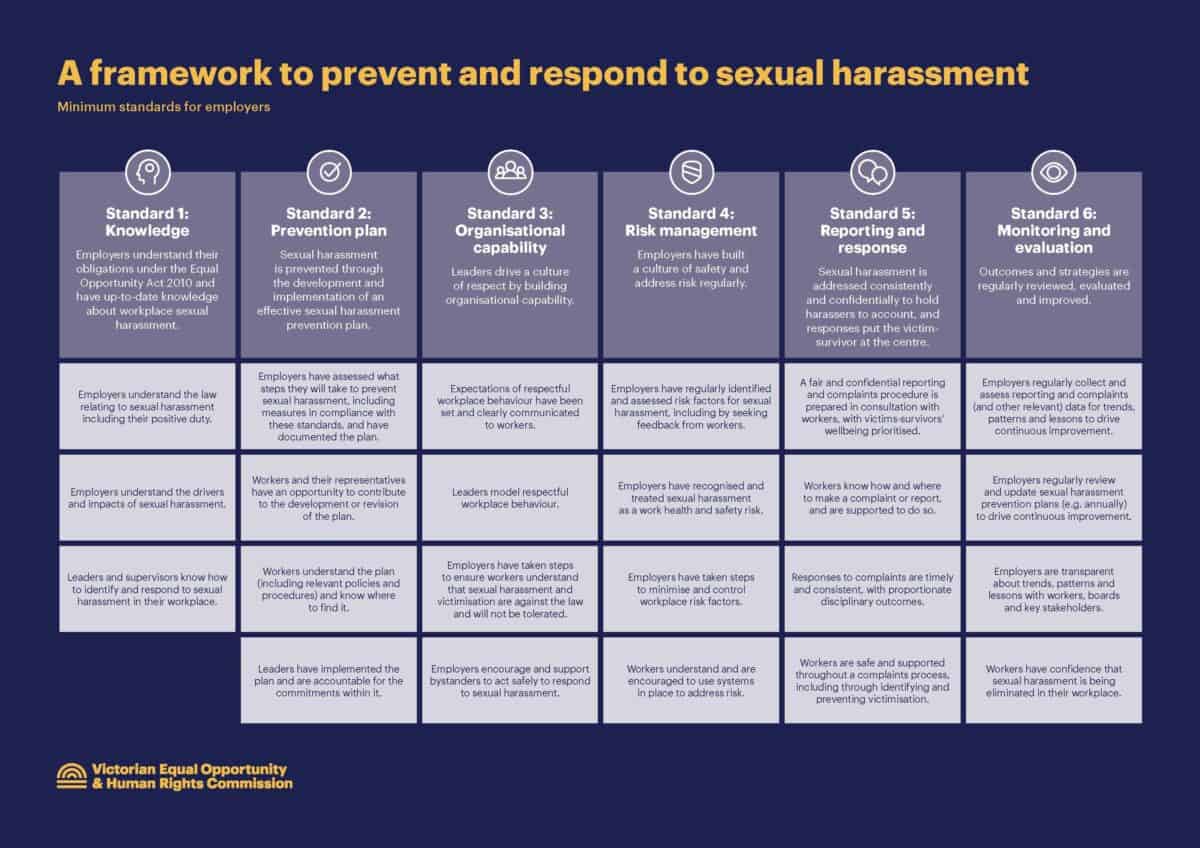
The Australian government has failed to follow through on its early promises to provide a framework for employers to prevent and reduce sexual harassment in their workplaces. This failure is being interpreted as revealing something about employers’ attitudes to occupational health and safety (OHS) and their own legislative duties.

Employers (and other groups on non-OHS issues) who look to the government for guidance on issues that already have legislative requirements are looking to avoid the social and legal obligations that have usually existed for years. Sexual harassment is an excellent example of a workplace matter getting some serious attention regardless of the government’s inaction. A recent podcast by Maddocks lawyers Catherine Dunlop and Tamsin Webster is part of that attention.

Subscribe to SafetyAtWorkBlog to continue reading.
Subscribe Help
Already a member? Log in here

Mandatory vaccinations without making vaccinations mandatory

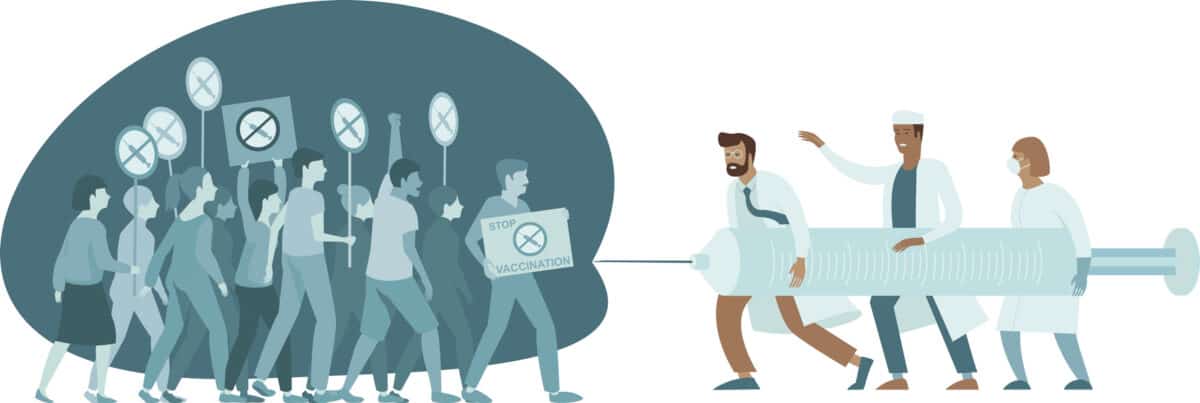
In a little over a month, the Australian conversation about mandatory vaccinations at work has changed dramatically. In early August, food processing company SPC was treated suspiciously over its requirements for its workers, customers, and contractors to be vaccinated against COVID-19. Recently, the New South Wales Premier, Glady Berejiklian, required vaccinations for workers to move outside of certain residential locations. And today, the Victorian Health Minister, Martin Foley, has all but made vaccinations mandatory for the construction industry.

As Berejiklian has shown, you don’t need to impose mandatory vaccinations to make vaccinations mandatory.

Continue reading “Mandatory vaccinations without making vaccinations mandatory”

“Too little, too late” but potential in primary prevention

On Australia’s Women’s Safety Summit, Wendy Tuohy contemplated, in The Age, after the first day;

“It may turn out to be too little, too late, but if there’s real commitment behind Morrison’s lines, we could conclude it’s a start.”

There are few signs of Prime Minister Scott Morrison’s commitment. Women will continue to work in companies and workplaces where they are at risk of psychological harm from sexual harassment and physical harm from sexual assault. Occupational health and safety (OHS) laws offer a harm prevention option that nobody seems keen to consider.

Subscribe to SafetyAtWorkBlog to continue reading.
Subscribe Help
Already a member? Log in here

OHS progress needs out of the box thinking

It is generally understood that the attempt to harmonise Australia’s occupational health and safety (OHS) laws failed to achieve the level of change and integration expected. The laws are more harmonised than they were but each jurisdiction claimed special needs and so multiple jurisdictions continue to exist with their own laws and one State, Victoria, is still giving the bird to the rest through poorly justified arguments and pigheadedness. This unwillingness to even consider change, outside of established parameters, is a major impediment to the development of safe workplaces and work practices.

For example, Australia still desires nationally consistent OHS laws as this exchange between Deborah Knight, of radio station 2GB and the CEO of the Business Council of Australia, Jennifer Westacott, shows:

Subscribe to SafetyAtWorkBlog to continue reading.
Subscribe Help
Already a member? Log in here

Can the sex industry be the same as any other industry?

The Australian State of Victoria has committed to the decriminalisation of sex work. It made this decision some time ago, conducted an inquiry into how this could be achieved and is now in a further consultative process on what laws and practices need to change. The aim is honourable – to reduce the stigma of a legitimate industry. However, there is one statement repeated in media releases and discussion papers that encapsulates the challenge:

“Decriminalisation recognises that sex work is legitimate work and should be regulated through standard business laws, like all other industries in the state.”

That challenge is can, and should, Victoria’s sex industry be treated like “all other industries”?

Subscribe to SafetyAtWorkBlog to continue reading.
Subscribe Help
Already a member? Log in here

Attendee list of IR Minister’s business roundtable

Last week, Australian business and union representatives failed to gain the additional support on COVID-19 issues they wanted from the Federal Government during their meeting with the Industrial Relations Minister, Michaelia Cash. The Minister’s media release of the event seems to indicate business as usual.

One piece of information that has not been released before is a list of the organisations that attended. That list, published below and in no particular order, shows the attendees but, perhaps more interesting is those who were not invited.

Subscribe to SafetyAtWorkBlog to continue reading.
Subscribe Help
Already a member? Log in here

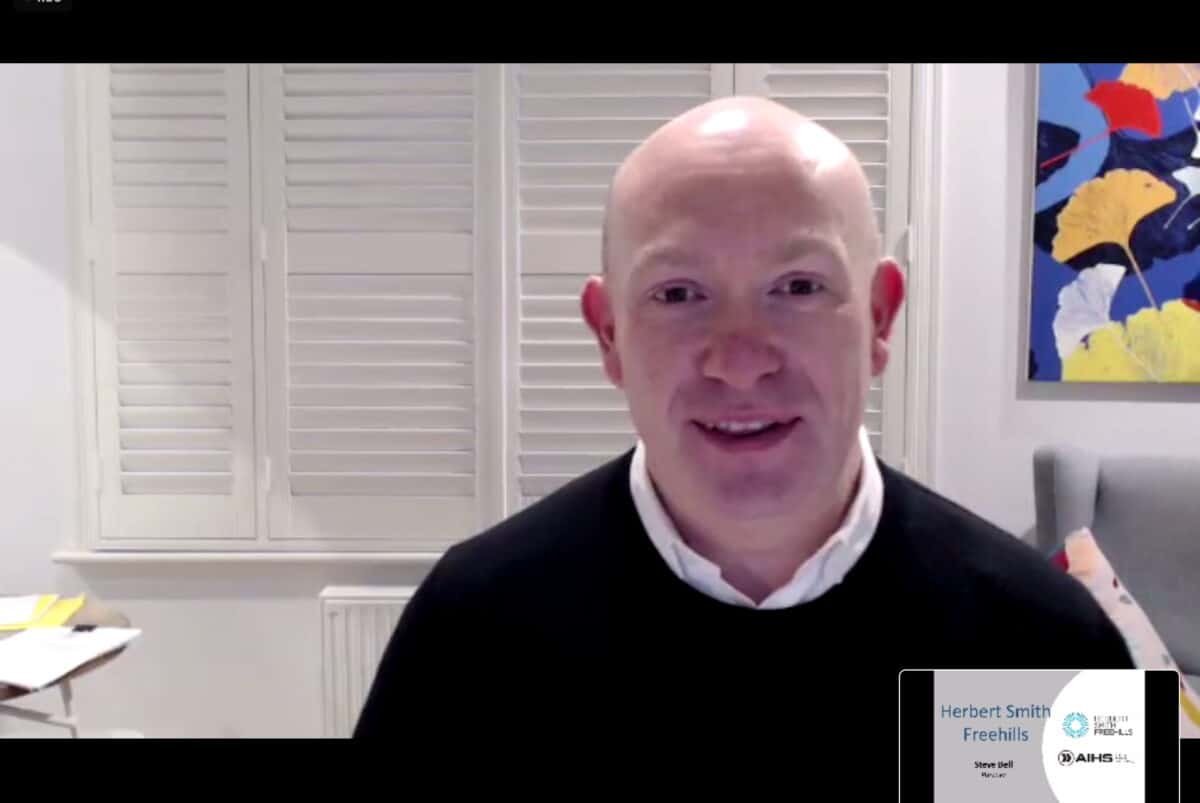
Steve Bell outlines the challenges for the OHS profession and Regulators

Almost every year, for a couple of decades, Herbert Smith Freehills (HSF) and the Australian Institute of Health and Safety (AIHS) have conducted a breakfast seminar to “launch” the year. That schedule has been cocked up by COVID-19, but the events continue.

The August 2021 breakfast featured several of the usual speakers but with the omission of the Minister for Workplace Safety or a senior representative of Worksafe Victoria. As a result, the event dragged a little. Most of the information was useful, but the event lacked the spark it often has. Perhaps this was the online format, perhaps the mix of speakers, perhaps the 90-minute length.

Subscribe to SafetyAtWorkBlog to continue reading.
Subscribe Help
Already a member? Log in here
Concatenate Web Development
© Designed and developed by Concatenate Aust Pty Ltd