
The Australian Human Resources Institute (AHRI) has recently published an article about the significant Human Resources trends for 2019. The trends identified include
- “A Change of Government”
- “Gig Economy Classification”
- “Sexual Harassment”
- “Technology Trends”
SafetyAtWorkBlog will be more specific in its occupational health and safety (OHS) “trends” for 2019.

 It is difficult to make a book about occupational health and safety (OHS) law interesting. Some try with creative design but the most successful is when laws are interpreted into real world circumstances. Thankfully
  One of the noticeable things about the Australian Senate’s
  Many companies have bloated workplace procedures. Many of these seem to involve workplace health and safety. Some people blame this on a bureaucracy designed in the olden times by someone, that somehow still exists and is maintained by someone or some process that no one sees or knows. Some prominent Australian researchers have looked into this issue and have written about “safety clutter”* which they say is:
 With little surprise, at the Australian Labor Party (ALP) Conference in Victoria on 26 May 2018, Premier
 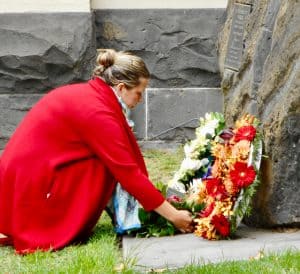 The Melbourne ceremony for