Australian government reopening strategy

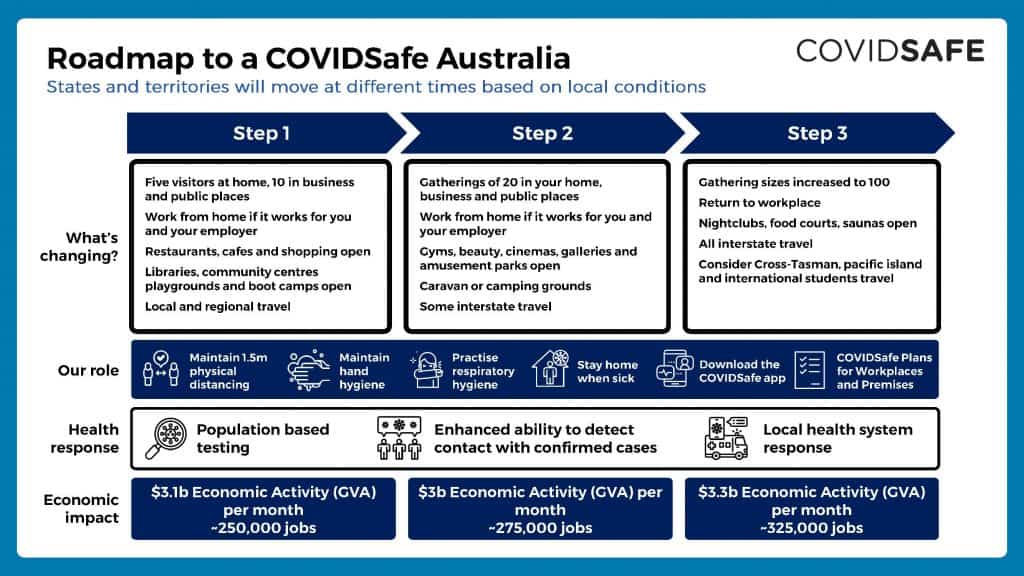
On the afternoon of May 8 2020 the Prime Minister, Scott Morrison, and Chief Medical Officer, Brendan Murphy, revealed the decisions of the National Cabinet. This is a national plan developed with the agreement of State Premiers and Chief Ministers who will be largely responsible for how this plan is implemented in their local jurisdictions. Many of the occupational health and safety (OHS) challenges have been anticipated by business owners as discussed in this morning’s blog article but it is worth looking at the infographics of the plan revealed by Morrison and Murphy but also the transcript of the press conference as that provides an important context to what the government expects to happen.

The government released two infographics, one was four pages of the broad plan, the other is that plan split into industry sectors.

Subscribe to SafetyAtWorkBlog to continue reading.
Subscribe Help
Already a member? Log in here

Reopening challenges are more like manageable inconveniences

Many Australian workplaces will be reopening in the next few weeks.  Their productivity capacity will change, their workplaces, will change and their approach to, and understanding of, occupational health and safety (OHS) will need to change.  But there are signs that some business owners and employers are embracing risk and safety in this new operating climate but there are others who are either denying the changes needed, are struggling to think creatively, are ill-informed or are stupid.  Most of these realities were on display in a single edition of the Australian Financial Review (AFR) on May 8, 2020 (paywalled) – the primary source for this article.

The timing of the newspaper edition is important as it was published on the morning before the Prime Minister, Scott Morrison, and Chief Medical Officer, Brendan Murphy, revealed the decisions of the National Cabinet. A further blog article will be produced on those decisions shortly.

Lifts and Whinging

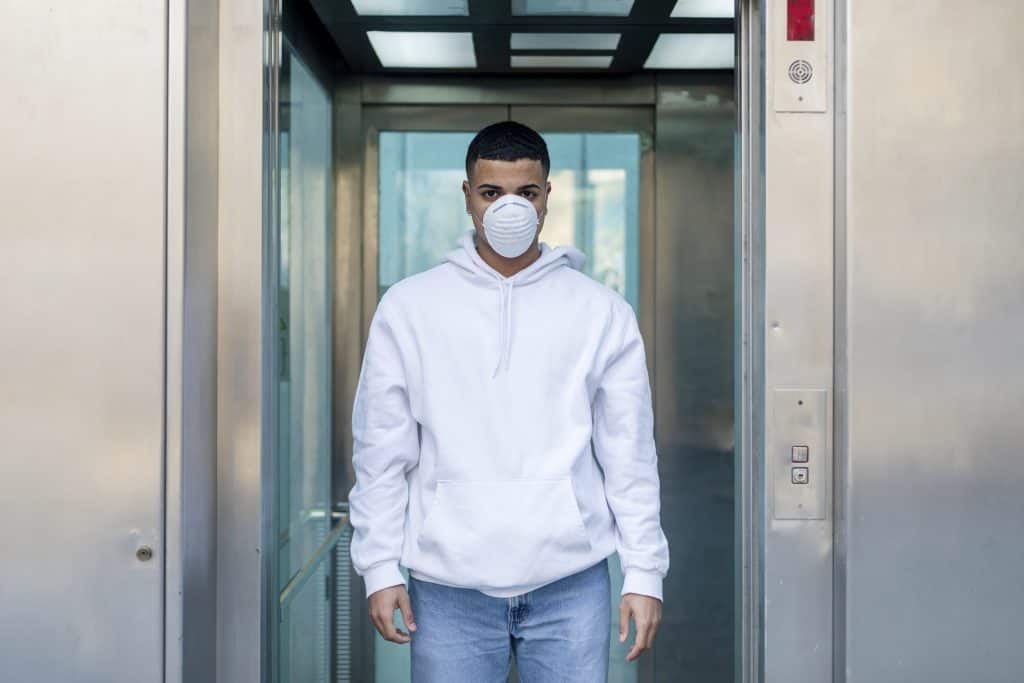
The AFR front page carried a short story called “Elevated risks in office lifts” that shows the deficiencies of several thought processes mentioned above.

Subscribe to SafetyAtWorkBlog to continue reading.
Subscribe Help
Already a member? Log in here

Dave Clarke

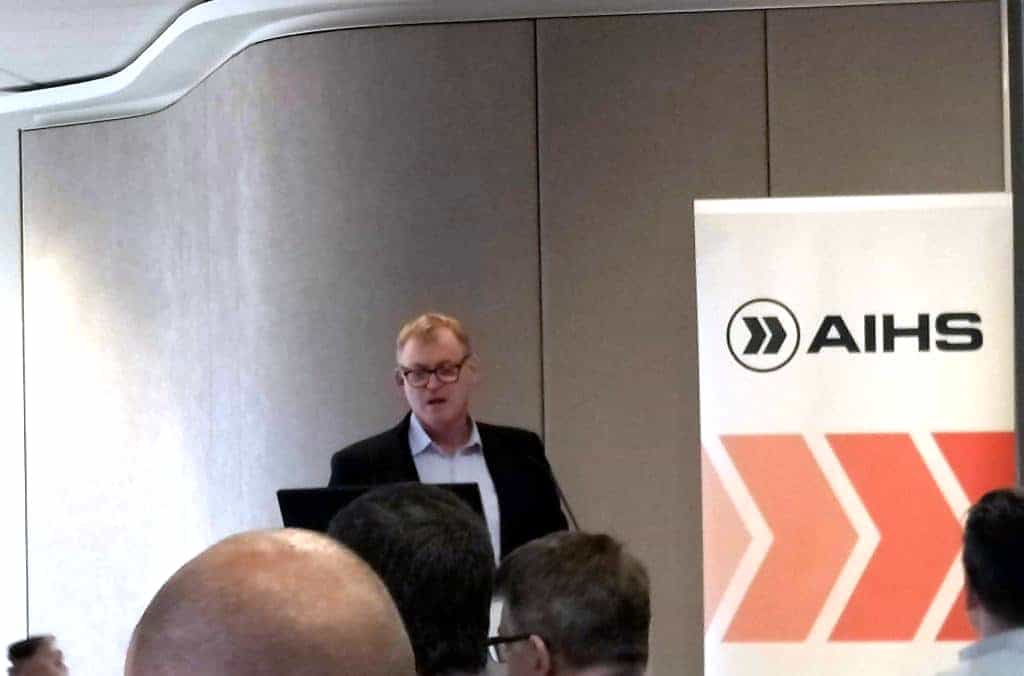
One indication that the Australian Institute of Health and Safety (AIHS) is a different beast to the Safety Institute of Australia is the willingness for its CEO, David Clarke, to speak honestly about occupational health and safety (OHS) issues. In early February 2020, Clarke spoke at a breakfast seminar about Australian Standards, “the false promise of harmonisation”, engagement and leadership.

Subscribe to SafetyAtWorkBlog to continue reading.
Subscribe Help
Already a member? Log in here

Shop safety protocols do not go far enough

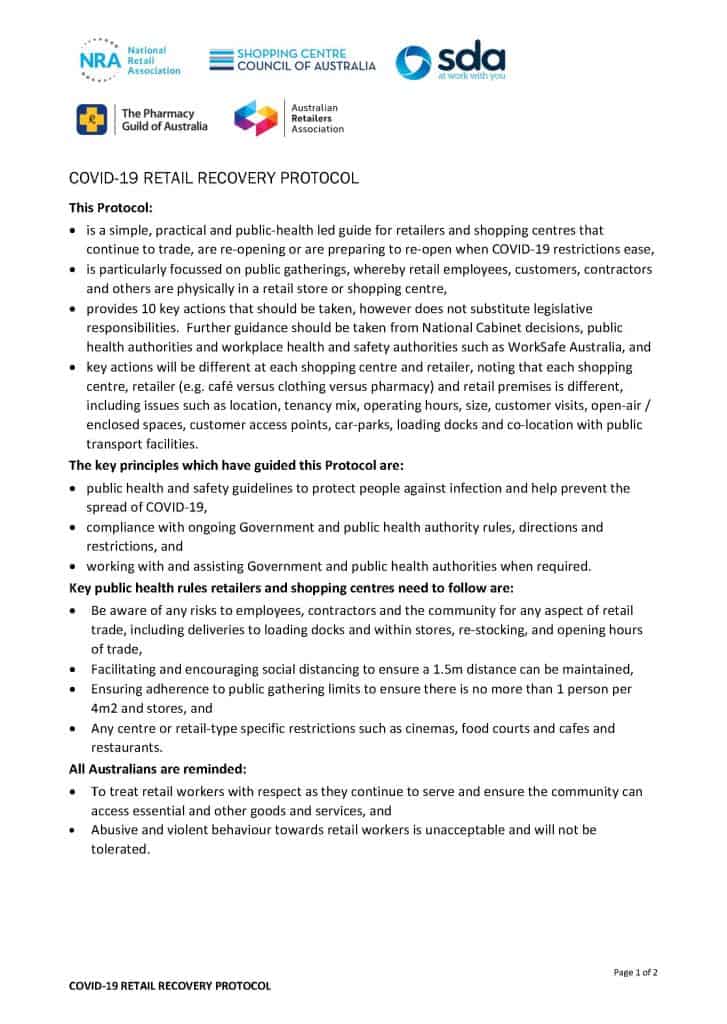
A group of retail associations in Australia has released a very curious COVID-19 Retail Recovery Protocol.

All shops and malls are workplaces and must comply with occupational health and safety (OHS) laws. A small embarrassment in these protocols is that although it acknowledges that further guidance may be available from workplace health and safety authorities, it provides no links to that COVID19 guidance and gets Safe Work Australia’s (SWA) name wrong! It does not inspire confidence and all that was needed was a single hyperlink to the SWA guidance developed specifically for the Retail Industry.

Subscribe to SafetyAtWorkBlog to continue reading.
Subscribe Help
Already a member? Log in here

“a COVID safe workplace” – Mark 2

Less than 12 hours after not mentioning Safe Work Australia’s COVID19 occupational health and safety (OHS) guidance, the Minister for Employment, Skills, Small and Family Business, Michaelia Cash, issues a media release, in conjunction with the Minister for Industrial Relations, Christian Porter, saying that

“The Safe Work Australia (SWA) website has been transformed into a centralised information hub, which can be easily searched using a handy content filter to find work health and safety guidance relevant to 23 specific industries.”

Subscribe to SafetyAtWorkBlog to continue reading.
Subscribe Help
Already a member? Log in here

Jail or Ruin? Is deterrence still effective?

This week Dr Rebecca Michalak wrote that penalties for breaches of occupational health and safety (OHS) laws need to be personal for people to understand the potentially fatal consequences at the work site or decisions that are made in the comfort of the boardroom. In this sentiment she echoes the aims of many who have been advocating for Industrial Manslaughter laws and also touches on the role of deterrence. But when people talk about Jail, are they really meaning Ruin? And do these options really improve workplace health and safety?

Subscribe to SafetyAtWorkBlog to continue reading.
Subscribe Help
Already a member? Log in here

The health and safety of working from home

Idealised image of what Working From Home could look like.

The second of a series of articles based on support from academics at the Australian Catholic University (ACU) focuses on the occupational health and safety (OHS) issues related to Working From Home (WFH), a situation that many Australians face at the moment.

SafetyAtWorkBlog put some questions on WFH to ACU and Dr Trajce Cvetkovski, senior lecturer in the Peter Faber Business School and below are his thoughts.

Subscribe to SafetyAtWorkBlog to continue reading.
Subscribe Help
Already a member? Log in here
Concatenate Web Development
© Designed and developed by Concatenate Aust Pty Ltd