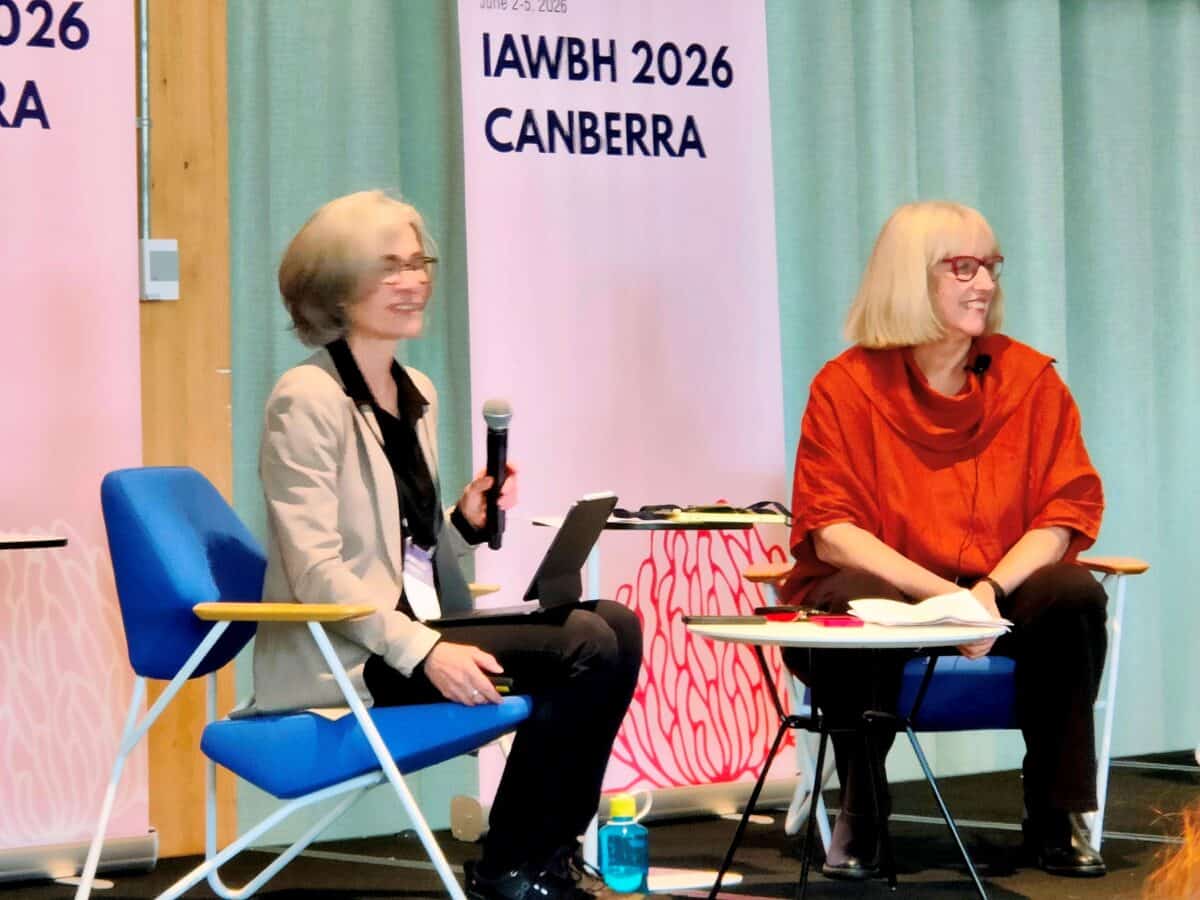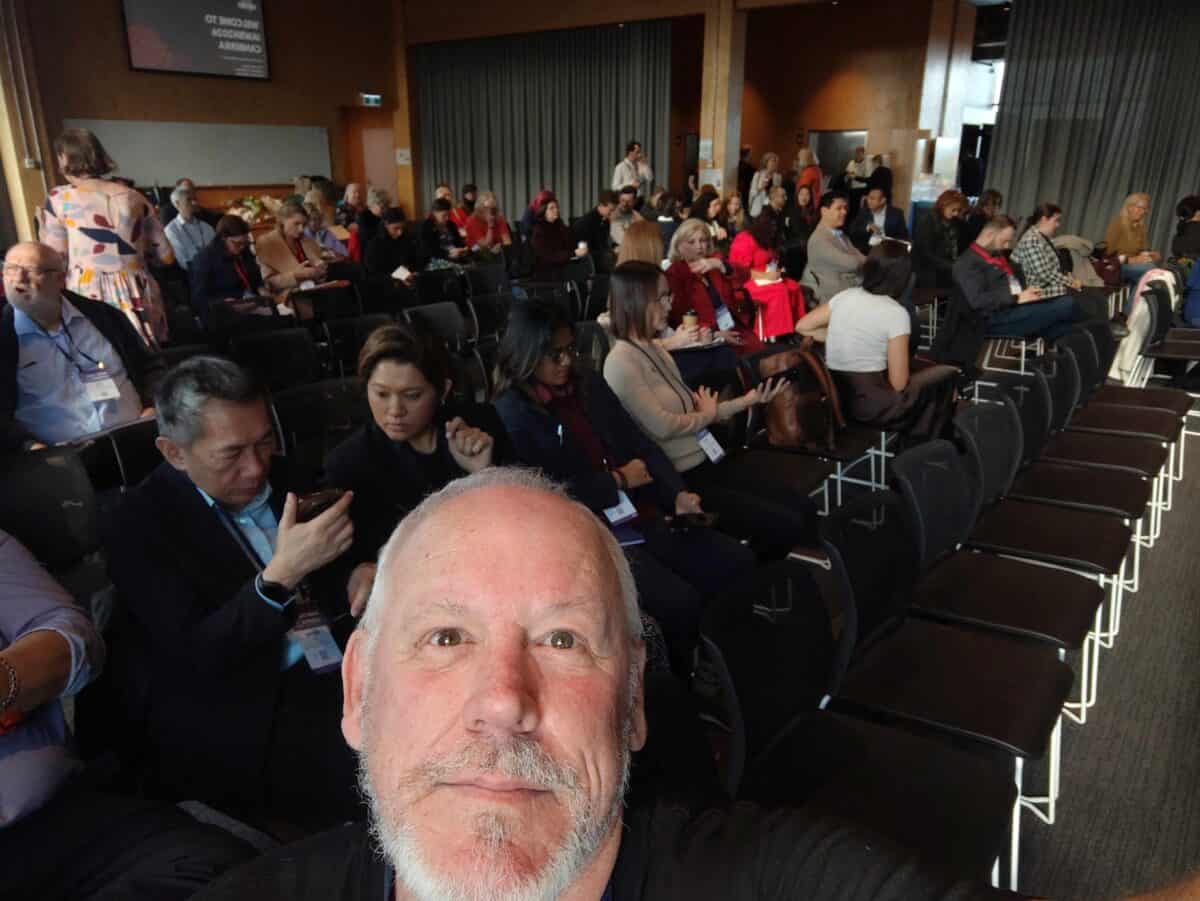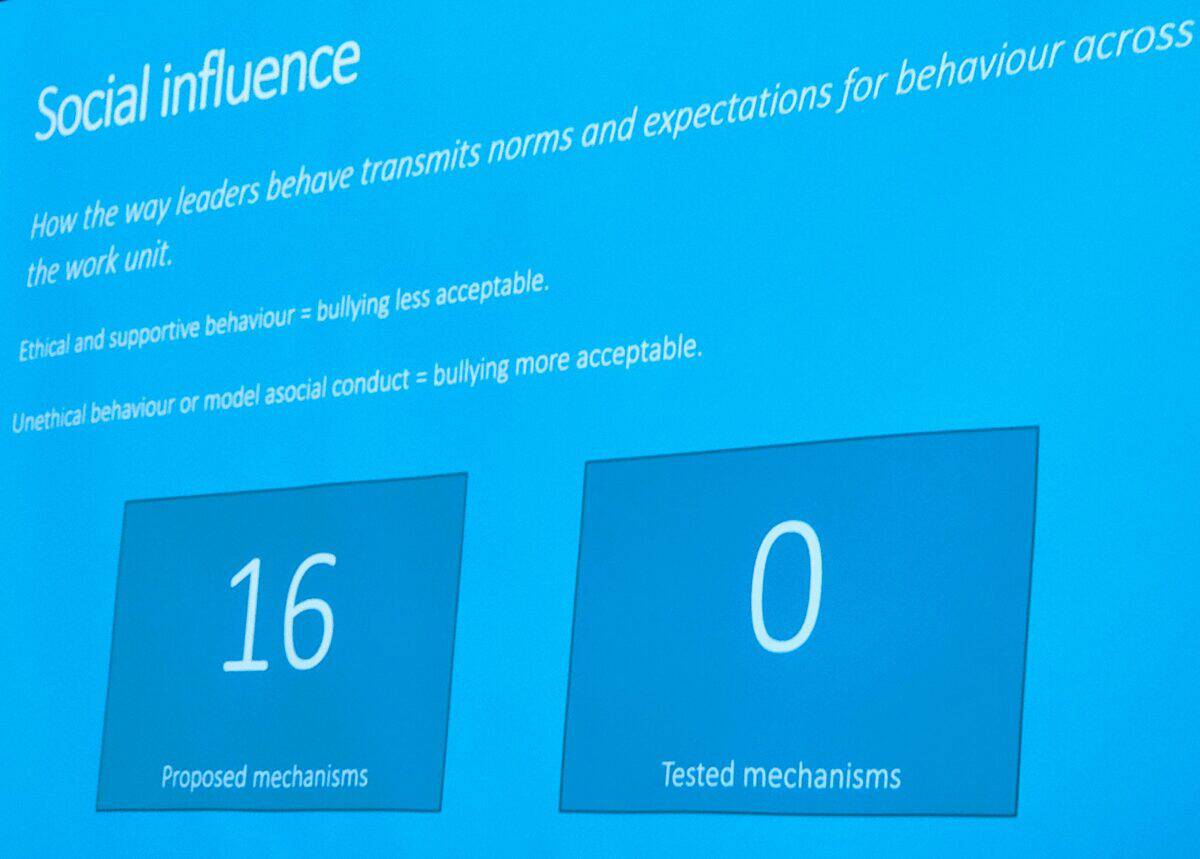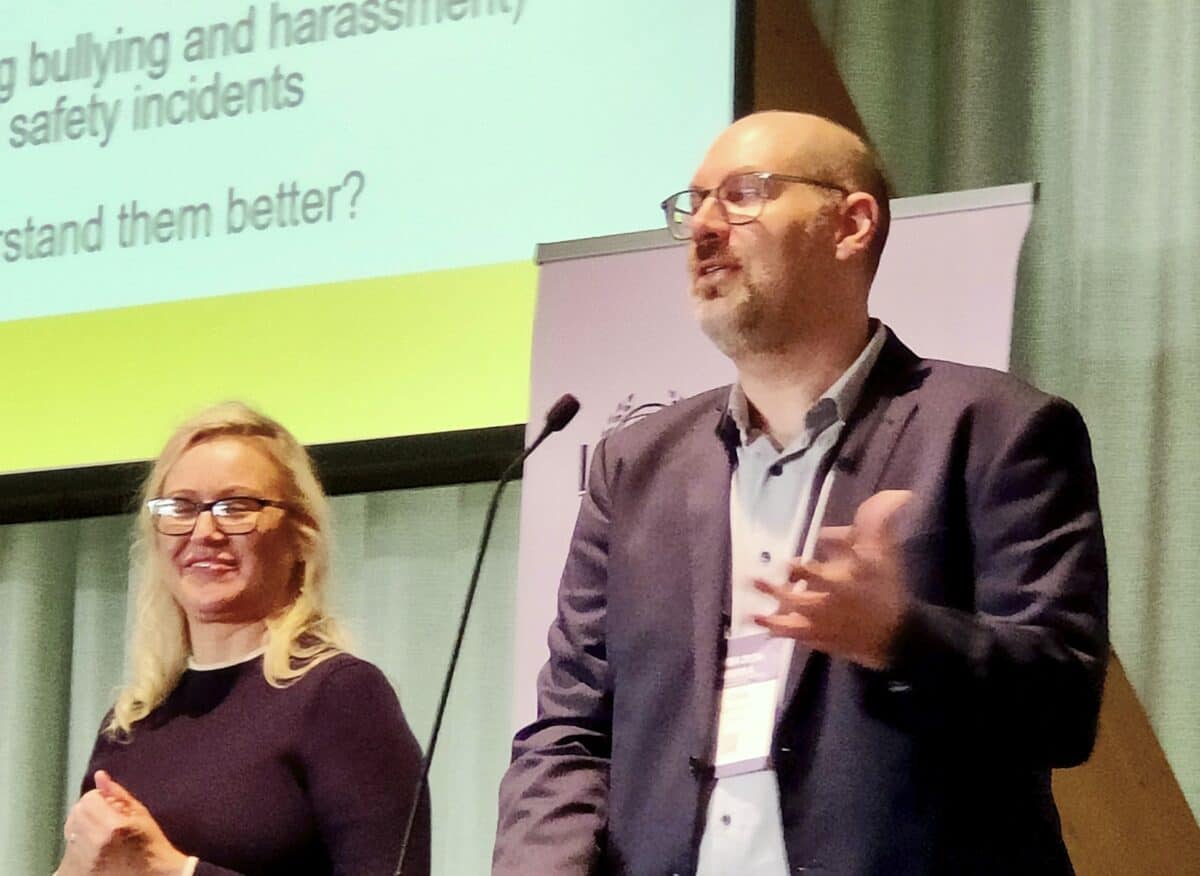
I am not sure that the “Why” was discussed enough at this global conference. The discussions in the sessions I sat in were dominated by people trying to clarify what bullying and harassment are and what variations nor subcultures there are, or what sections of the community are most affected by workplace bullying and harassment. And I am not sure that all the presenters were targeting the workplace, even though the association and conference titles specify this.
Category: harassment
If We Want Change, We Need to Lobby the People Who Call the Shots
I have been trying to challenge some of the speakers at this week’s conference of the International Association on Workplace Bullying and Harassment to think further. In a panel discussion on day one, I asked why party politics is not being discussed. The panellists were gracious in responding and challenged my thinking.
The Legacy of Denial That Still Haunts Psychosocial Hazard Management
In the mid‑1970s, I arrived at Dandenong High School still clinging to the small importance I’d felt as a primary‑school Prefect. That confidence evaporated the day a student yelled “bums to the wall” as Science Teacher and Year 7 Coordinator Tim Richardson walked past. I didn’t yet know what a paedophile was, but Richardson would not be prosecuted for sexual offences until 2018, dying in jail a year later.
This experience reflects a broader cultural pattern of denial that still shapes how organisations respond to psychosocial hazards today. Australian companies, executives and employers are grappling with “new” duties to prevent psychological harm, yet Richardson’s story shows just how long our institutions have excused what should never have been excused.
Solving Psychosocial Harm at Work: The Upcoming Global IAWBH Conference in Canberra
Workplace bullying, harassment and other psychosocial risks are no longer fringe issues – they are central to how we think about safety, fairness and dignity at work. One forum that has been shaping this conversation for more than two decades is the International Association on Workplace Bullying and Harassment (IAWBH) and its much‑anticipated biannual conference. This year’s event brings researchers, regulators and practitioners together in Canberra to tackle some of the most difficult problems in working life, with a strong emphasis on practical solutions, especially pertaining to sexual harassment and gender-based violence.
Professor Carlo Caponecchia, who is presenting at the conference, made some time for a couple of questions.
Continue reading “Solving Psychosocial Harm at Work: The Upcoming Global IAWBH Conference in Canberra”Dr Kat Page’s Good Work Book Is A Blueprint for Preventing Harm
LinkedIn is an enormously inhumane software, but it does have some positive uses. One of them is being invited to meet people who might find you interesting or admire your work. Earlier this year, I jumped at the chance to have coffee with Dr Kat Page, who lived only a few suburbs away, as an exercise in mutual admiration. Last week, Page released her book called “Good Work: Transform Your Work from the Inside Out“. Finally, a book by an organisational psychologist on redesigning work, aimed at preventing harm.
Celebrity Does Not Cancel the Duty of Care
A hugely popular radio show in Australia, hosted by Kyle Sandilands and Jackie O (Henderson), has been offensive for a long time, but offence can also be entertaining and economically lucrative. Last month, the host clashed on air, resulting in Jackie O leaving. Now there is legal action on several fronts, and psychological health and safety at work is being considered to some extent, and could/should be considered more.
The 1970s Never Ended for Some Employers
For the last few years in Australia, occupational health and safety (OHS) laws have required that the prevention of psychosocial hazards be given the same prominence as the prevention of physical hazards. The most effective recommendation for change is the redesign of work, but very few employers seem to be applying this control. Many employers are still asking (their Human Resources officer) what this psychosocial stuff is all about.
Examining organisational culture at one Australian institution that failed to prevent and may have generated psychological harm in the 1970s provides some context for contemporary OHS struggles.