
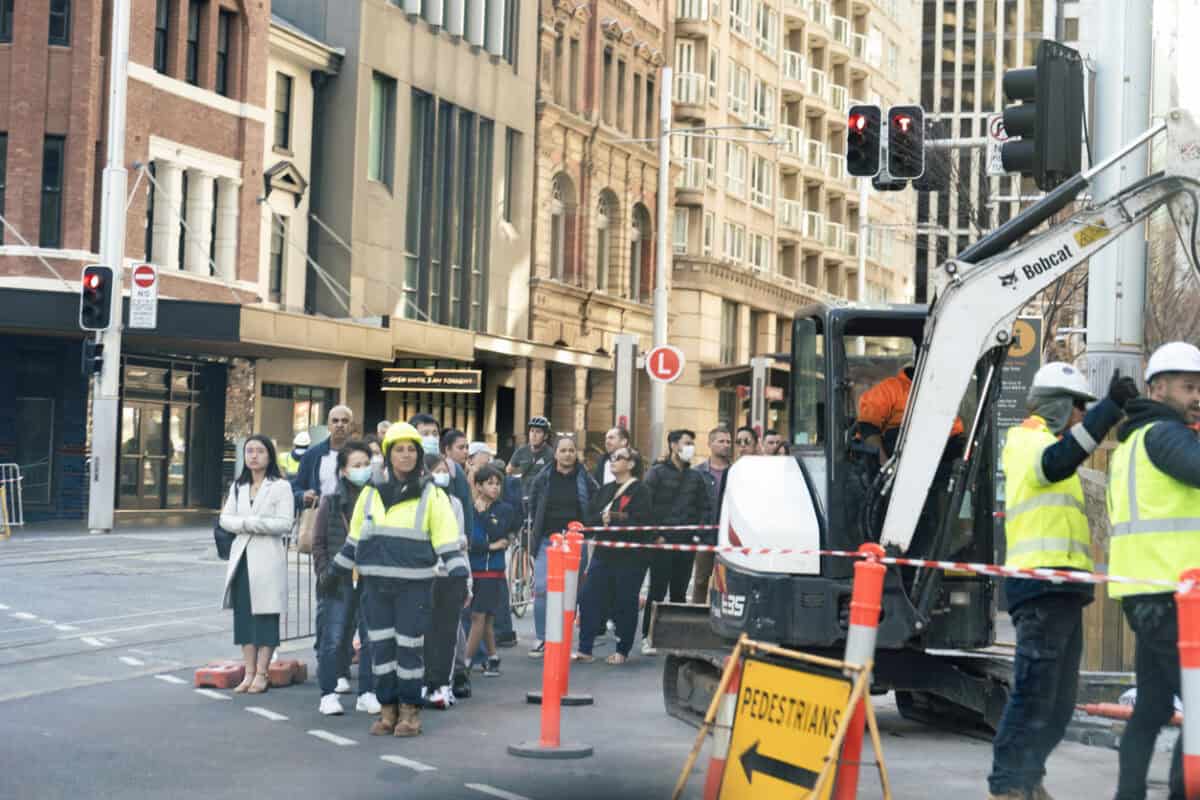
Most of the Australian occupational health and safety (OHS) regulators have released their calendars of events for October. There are many invaluable events, especially for those in small- to medium-sized businesses or who have been delegated as “responsible” for OHS in those companies. There are several special events and symposiums for those of working in OHS full time, but here are three themes that I would like to see discussed during the 2024 National Safe Work Month?
Continue reading ““How can I make my workers safer?””Category: hazards
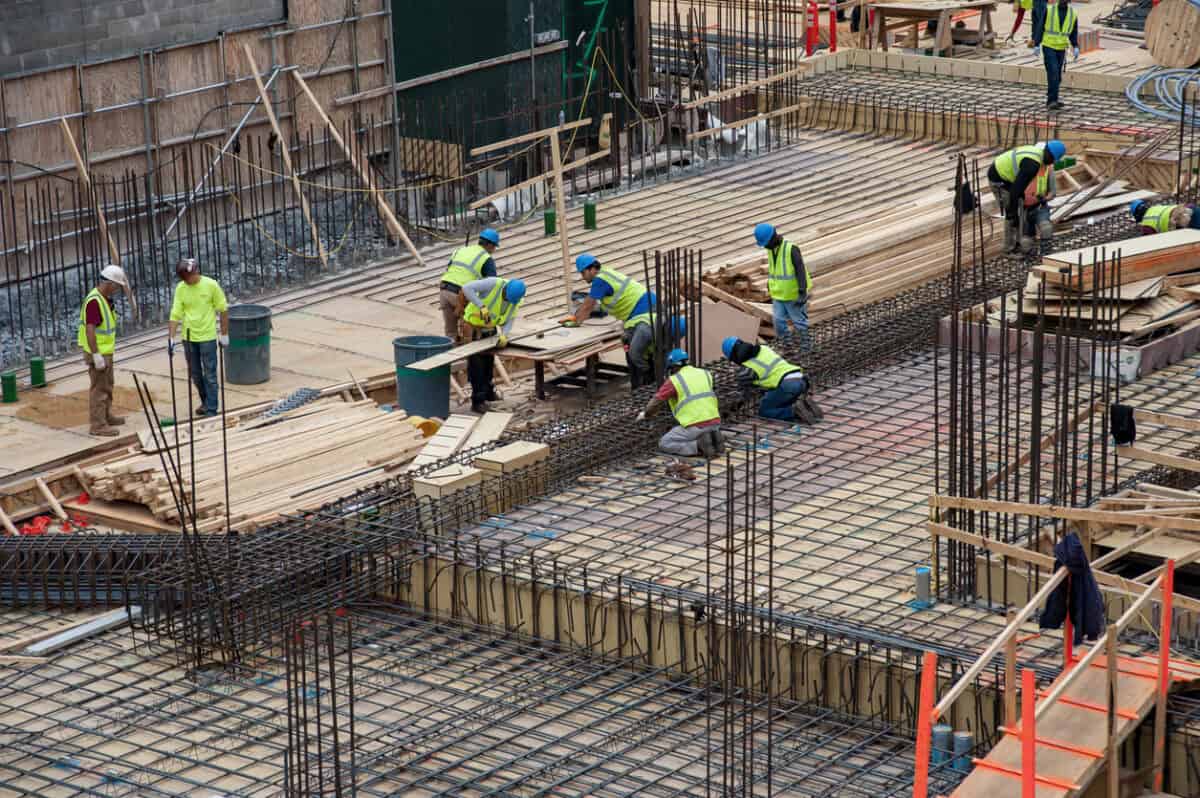
To understand Safety, one must understand Work
To understand occupational health and safety (OHS), you must understand the broader topic of work. Work is not necessarily more complex than OHS, but there are more opportunities to be distracted.
Earlier this year, Andrea Komlosy‘s excellent analysis of work—”Work—The last 1,000 years“—was published in English for the first time. The book hardly discusses OHS, but Komlosy’s feminist and European perspective is refreshing after reading narrow and insular analyses from the United States.
Addressing Psychosocial Hazards at Work: New Incident Notification Reforms
On the afternoon of Friday, August 1, 2024, Safe Work Australia (SWA) announced important changes to the incident notification obligations in Australia’s Model Work Health and Safety laws. These changes are particularly relevant to the issues of psychological harm in workplaces and work-related suicides. I asked SWA for some clarifications on the changes and the promised guidance.
Below are the questions that I submitted to Safe Work Australia and CEO Marie Boland‘s responses.
Warning: this article discusses suicide
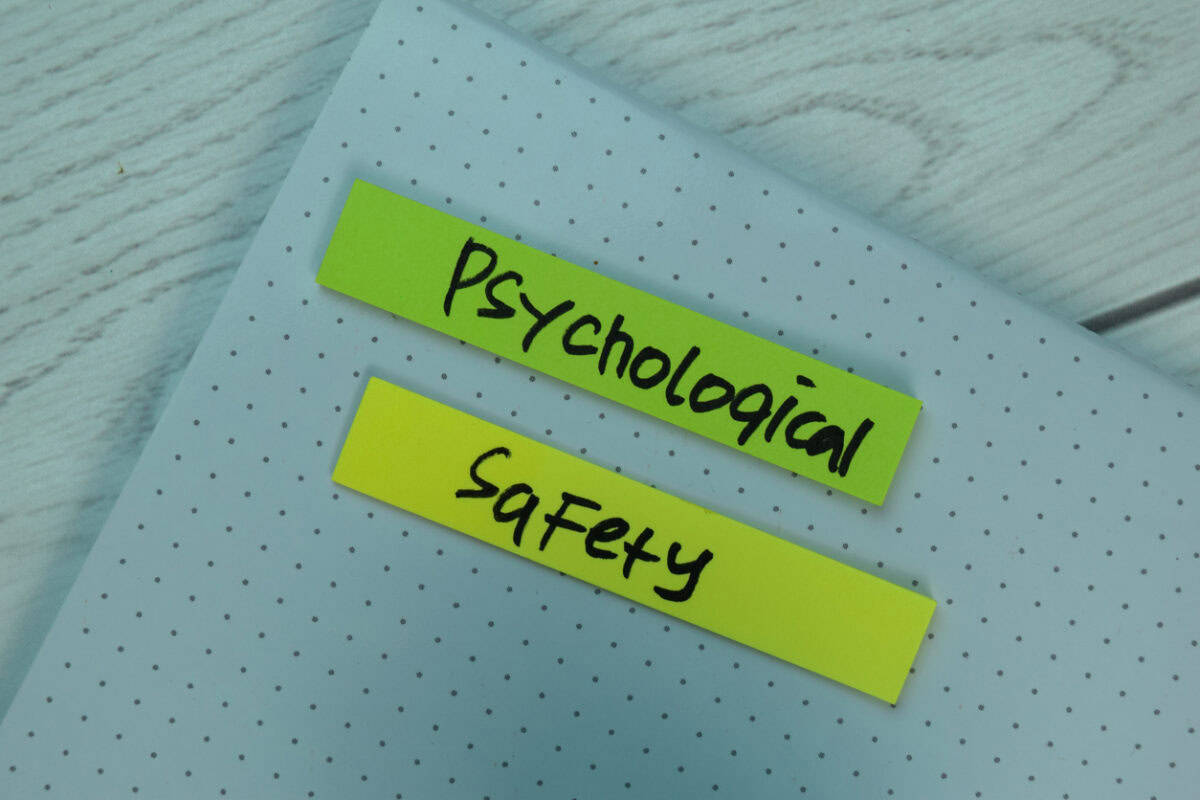
Psychological health and safety book seems dated
There is a new book about psychological safety for organisations. Many have been published over the last twenty years, but the climate, at least, in Australia has changed. Psychological safety is now part of a broader and more inclusive concept – Psychosocial Safety – but many psychologists have not yet caught up, or are in denial or are too embedded in their established services to be able to or willing to change.
Any new book on psychological safety in workplaces needs to be contemporary and reflect these changes. Gina Battye‘s “The Authentic Organisation—How to Create a Psychologically Safe Workplace” is not quite there.
Sick leave entitlements miss the OHS justification
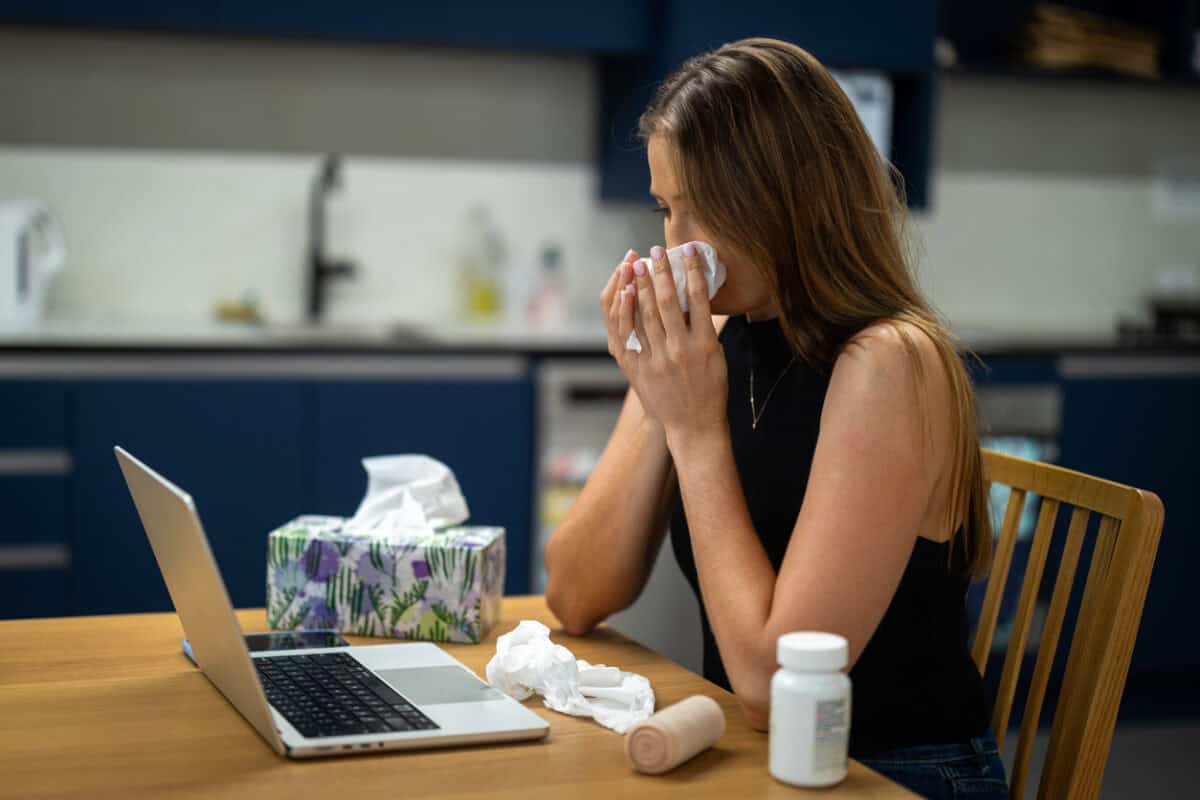
Australia is currently in the Winter season of sniffles, colds, and influenza, which generates illness and workplace absences. In the northern hemisphere, excessive heat may be causing a similar level of workplace absences. A recent article from the Australian Broadcasting Corporation discussed workplace absences due to illness.

Trenching deaths and radio report
I am a fan of NPR’s radio program, All Things Considered. Occasionally, it reports on workplace health and safety matters. On July 19, 2024, it reported on the unacceptable number of deaths from trenching activities in the United States. The content was shocking and disappointing (the default setting for many reactions to occupational health and safety (OHS) matters), but the report’s format is an excellent example of journalism.
The right to disconnect is really a right to refuse to respond
While watching Maddocks’ recent webinar on the Right-to-Disconnect for its local council clients, I was reminded of a comment from one of Maddocks’ competitors, Steve Bell, of Herbert Smith Freehills in a seminar earlier this year (paraphrased):
“This is less a right to disconnect as a right to refuse to respond”.
The webinar summarised three contexts for the new Right-to-Disconnect laws – Industrial Relations, Occupational Health and Safety (OHS) and Governance.