
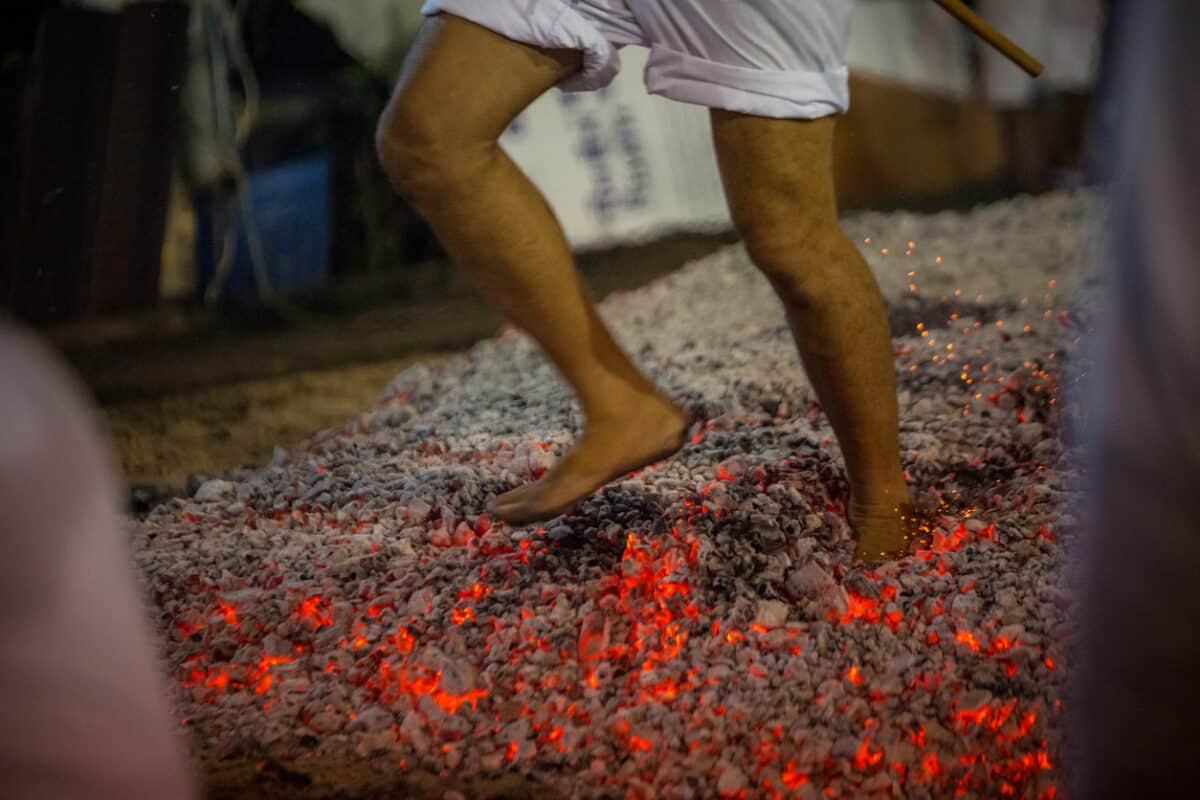
Occupational health and safety (OHS) will have little effect on reducing the pace of global warming. Still, OHS will definitely need to assist in changing how we continue to work in future weather extremes. SafetyAtWorkBlog has previously written about working in extreme heat, but a new multimedia report from the New York Times (paywalled) illustrates the challenges in some uncomfortable ways.
Category: hazards
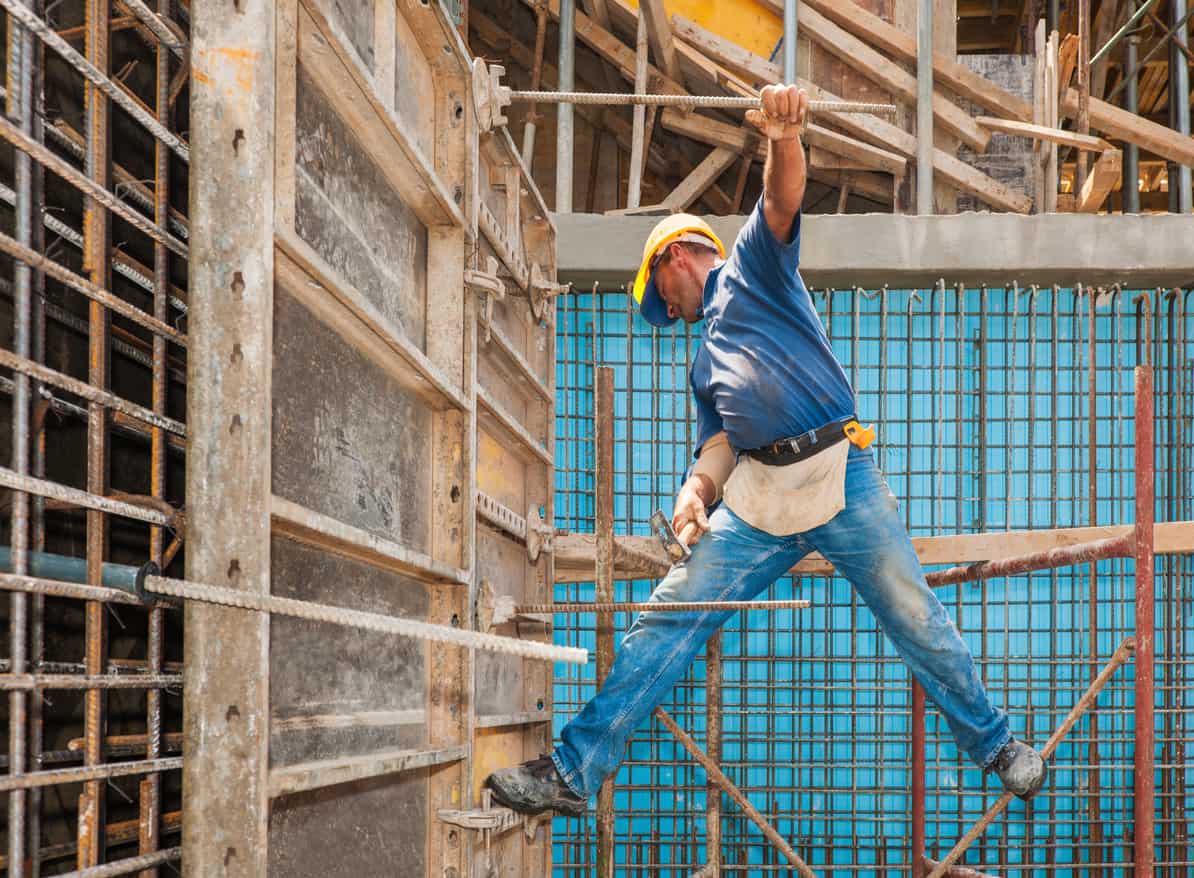
You don’t have to talk about OHS to talk about OHS
On November 16 2022, Tony Burke, Minister for Employment and Workplace Relations, spoke at the National Press Club in Canberra. Although his portfolio has occupational health and safety (OHS), workplace health and safety was mentioned only once in passing. In this instance, that’s okay because he is trying to pass a major piece of industrial relations (IR) law. But some of his speech raised issues related to work or how businesses are managed, which do have important OHS contexts.
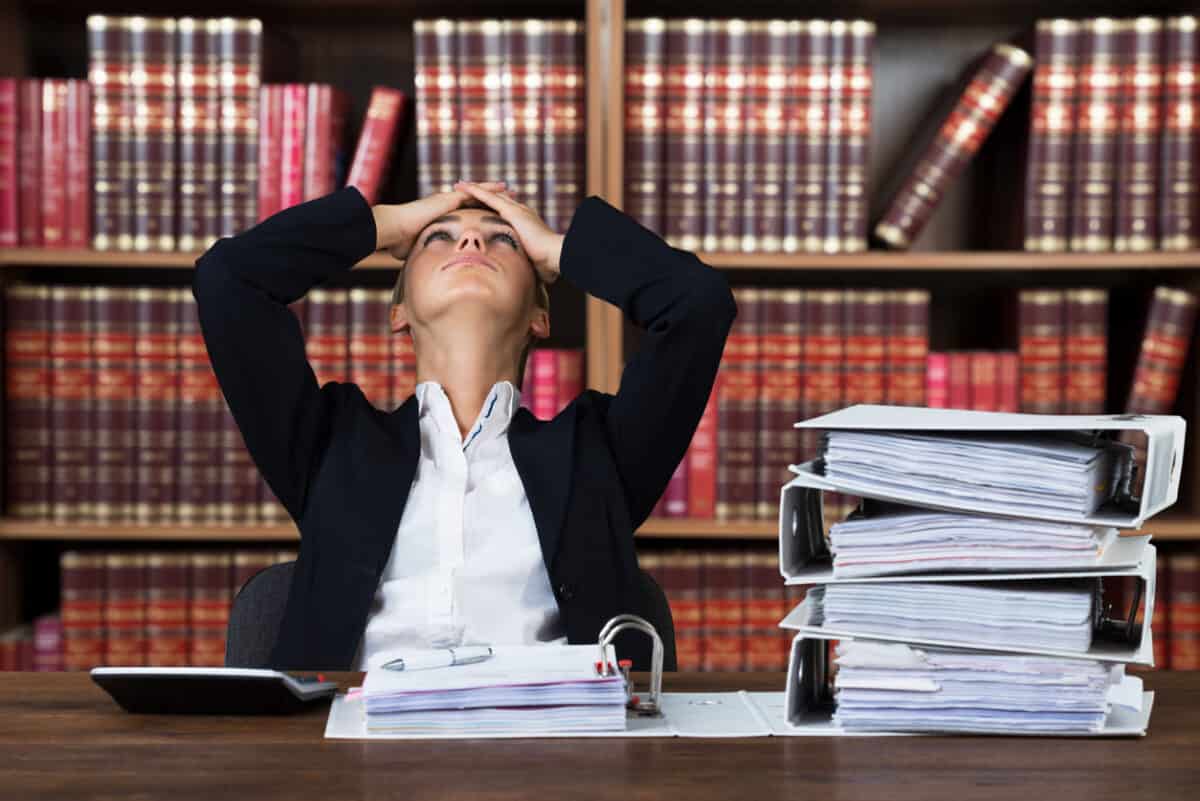
Dunlop on psychosocial risks in law firms
Recently Maddocks law firm partner Catherine Dunlop spoke on the Lawyers Weekly Show podcast about psychosocial risks in the workplace. Although the podcast aims at legal practices, Dunlop’s comments and advice seem to apply to many white-collar jobs and professions.
Dunlop said that the discussion about psychosocial hazards at work has matured since the sexual harassment Respect@Work report and that:
More OHS activists needed
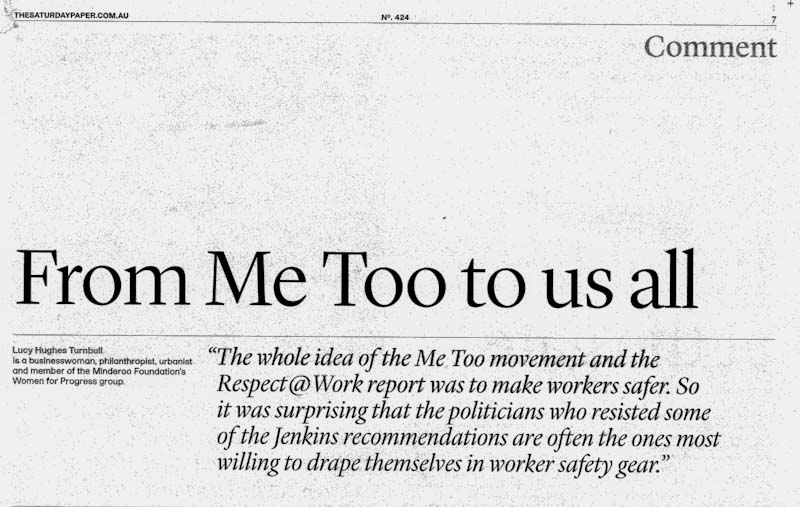
The Australian Government is set to introduce new workplace sexual harassment laws and obligations through Parliament. In The Saturday Paper on November 5 2022 (paywalled), businesswoman Lucy Hughes Turnbull wrote a short article that reminds us of the purpose of the new laws.
“The whole idea of the Me Too movement and the Respect@Work report was to make workers safer. So it was surprising that the politicians who resisted some of the Jenkins recommendations are often the ones most willing to drape themselves in worker safety gear. Protection from abuse and harassment is another key aspect of safety, like guardrails and fire exit signs. Now the legal system recognises it as such.
links added
This latest work safety bill is the best gift the parliament could give to mark the fifth anniversary of the global Me Too movement. Together with more paid parental leave and greater access to more affordable childcare, it has been a great few weeks for women and indeed all Australians.”
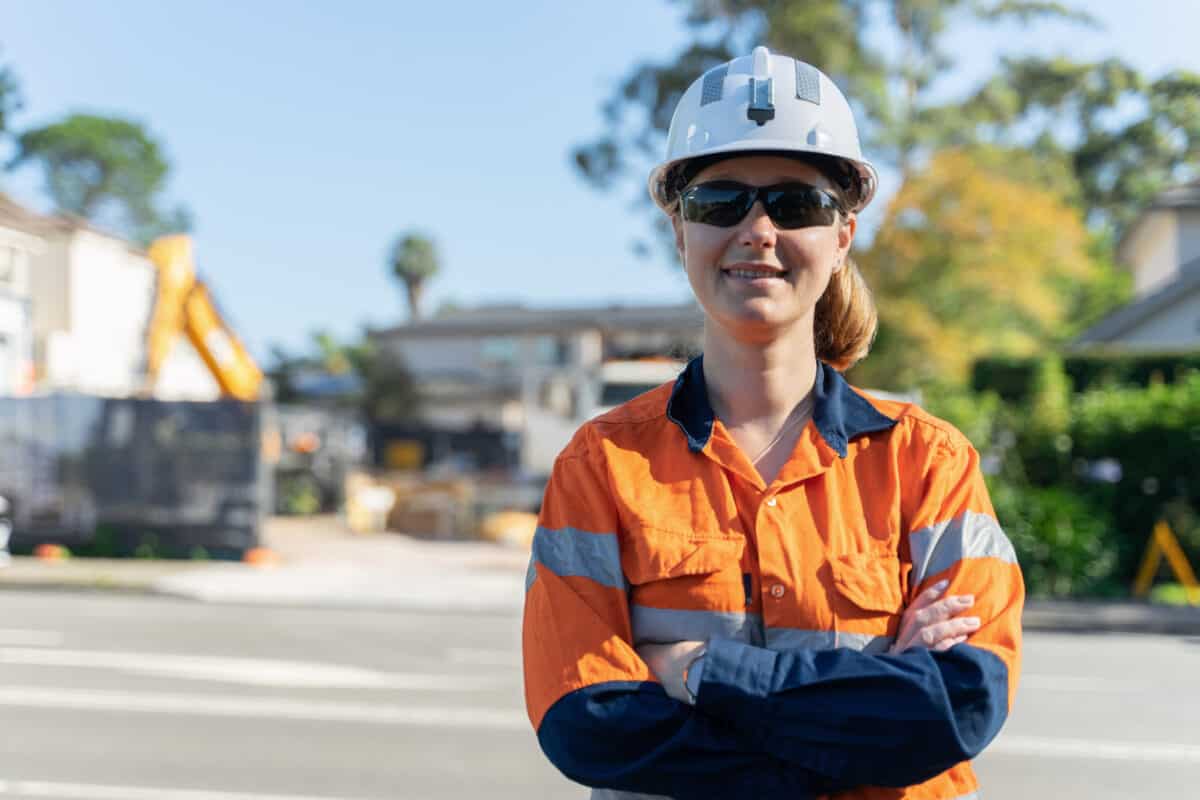
Small steps in acknowledging workplace psychosocial risks
Australian workplaces need more diversity in their workforce, including workers affected by psychosocial illnesses and conditions. Recently Mental Health Australia released a position statement on employment and mental health.
The statement promoted increased employment opportunities but also touched on the role of occupational health and safety (OHS).
Continue reading “Small steps in acknowledging workplace psychosocial risks”
Past findings may offer strategies for the future
Further to the recent article about the 2004 Maxwell Report, it is useful to note the recommendations peppered throughout the report, as collated by K Lee Adams. Although aimed at the Victorian Workcover Authority and WorkSafe Victoria, these are interesting ideas that could be asked of any occupational health and safety (OHS) authority currently. Some have already been addressed; others were posed 18 years ago and have not progressed. The recommendations have been numbered for easier reference.
When exemplars are far from
Extensive multinational auditing and consulting firms have been hammered for the last few years over the potential conflict of both auditing and advising the same companies and a toxic workplace culture. Most companies will not be able to afford these consultants’ prices, but the conduct of the large companies, the “corporate leaders”, affects every business by setting the standards. The influence of these large companies over public (and work health and safety) policy should also be noted and is being reviewed by some governments.