Beyond COVID Toward Safer Smarter Workplaces

The recent COVID-19 pandemic is over, but the virus and risk continue. Like any biological hazard that occurs in or affects workplaces, occupational health and safety (OHS) personnel need to be ready to respond appropriately should the hazard emerge or expand.

It is generally accepted that Safe Work Australia responded as quickly as possible when developing COVID-19 guidance, given that everyone was trying to work out what the hell was happening. Shortly before the pandemic, WorkSafe Victoria had published the first edition of a guide on how employers could respond to pandemics.

But where is Australia at now? How prepared are we for the next disease pandemic or epidemic? I asked Safe Work Australia and WorkSafe Victoria for an update.
Subscribe to SafetyAtWorkBlog to continue reading.
Subscribe Help
Already a member? Log in here

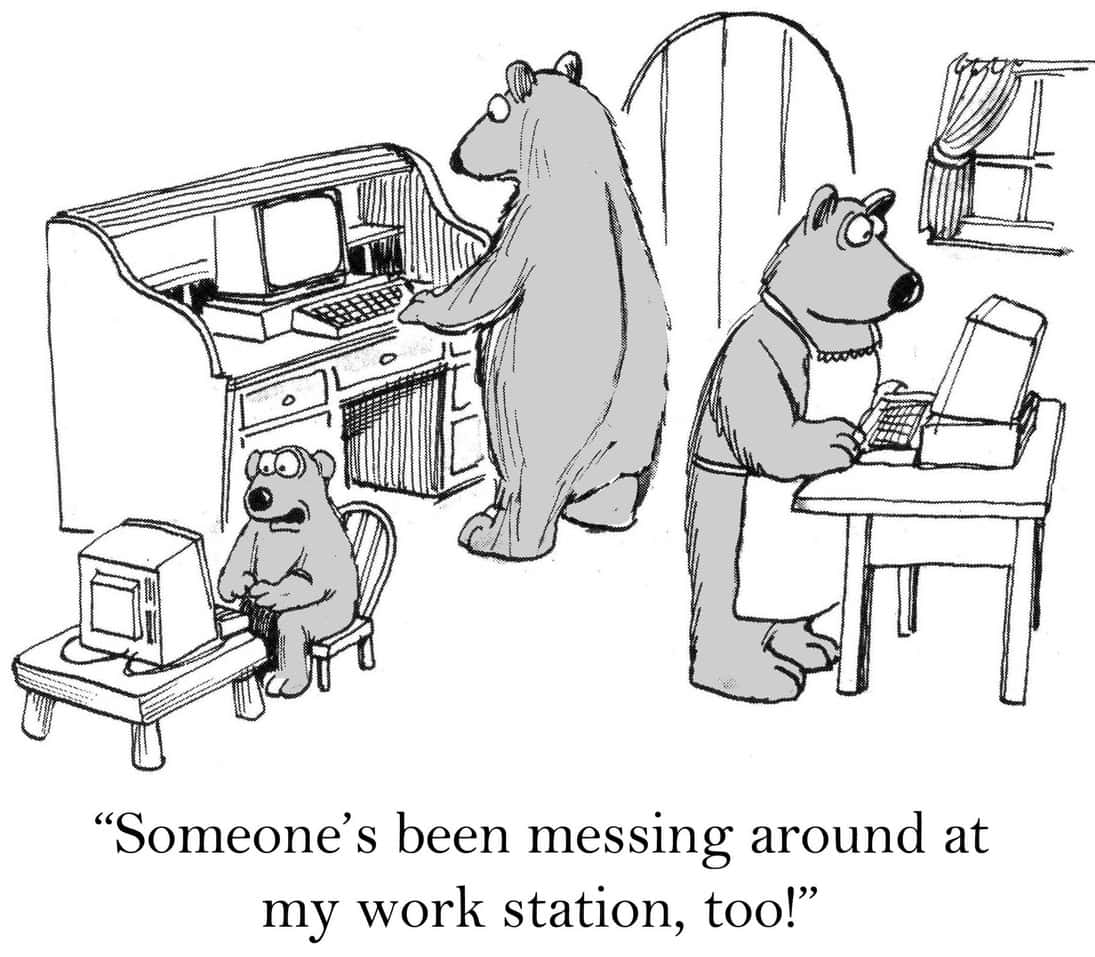
Someone should have read the instructions – OHS in COVID times

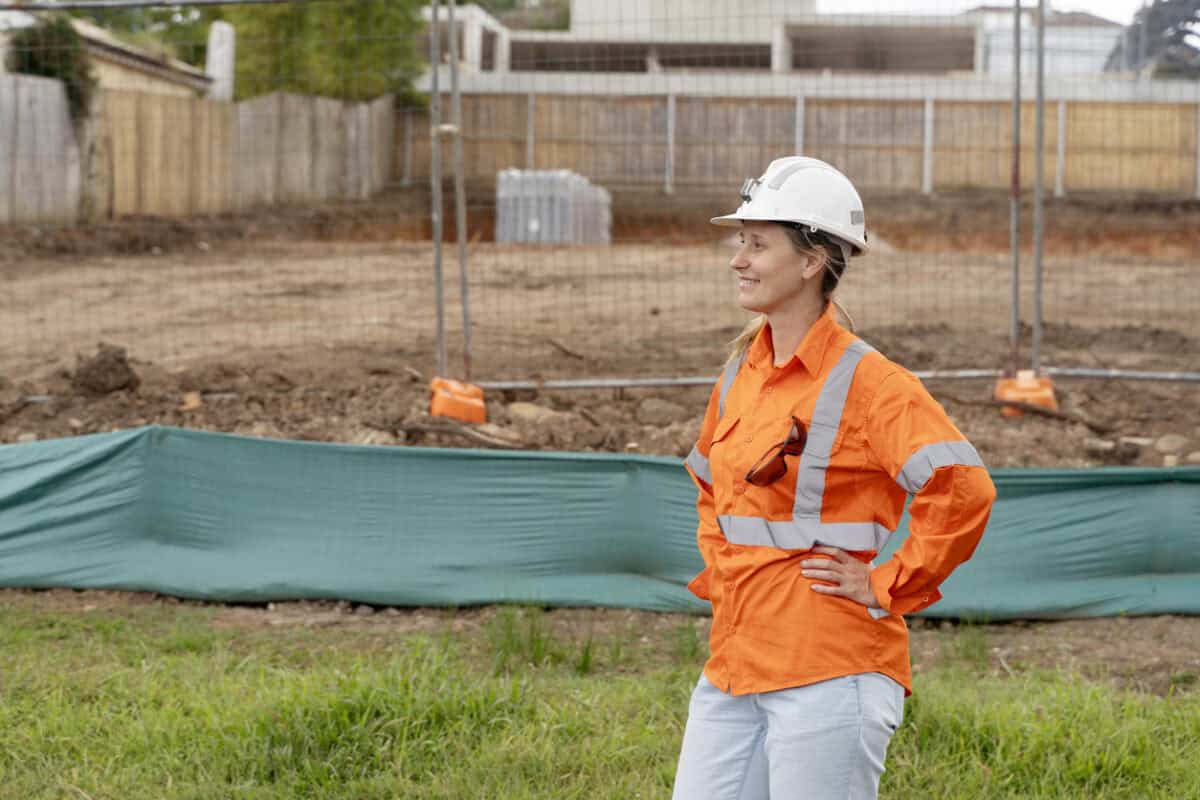
Ask someone to depict occupational health and safety (OHS) in a drawing, and the image is likely to include a hard hat, maybe some safety glasses, or hearing protection. Personal Protective Equipment (PPE) dominates the concept of OHS and how people perceive OHS, even when PPE is the last hazard control option to be considered in providing safe and healthy work.

Our relationship with PPE has forever been changed by everyone’s experience of the COVID-19 pandemic. The survivors of the pandemic are loath to reflect on those few intense years, but OHS needs to talk about the pandemic and what went right and what went wrong. Here’s a short start to the conversation.

Subscribe to SafetyAtWorkBlog to continue reading.
Subscribe Help
Already a member? Log in here

More OHS voices needed

A new discussion paper from Safe Work Australia (SWA) is interesting in a curious way. Its purpose is confusing, and its final report will not be presented until mid-2026. SWA offers no definition of “best practice” but suggests that consideration should start from the objective of the Model Work Health and Safety Act:

“….to ensure the model WHS laws continue to provide a balanced and nationally consistent framework to secure the health and safety of workers and workplaces.”

Subscribe to SafetyAtWorkBlog to continue reading.
Subscribe Help
Already a member? Log in here

Work-from-Home Wins: Productivity Holds, Mental Health Glows, but Bosses Still Crave the Office Status Quo

“WFH is probably good for productivity” was a headline in the Australian Financial Review (AFR) of May 29 2025. The online version (paywalled) added “if it’s part-time”. The Productivity Commission‘s examination of the COVID-19 pandemic in its “before-and-after” report presents some new perspectives on occupational health and safety (OHS) aspects of working from home.

Subscribe to SafetyAtWorkBlog to continue reading.
Subscribe Help
Already a member? Log in here

Meaningful memorial that could have said much more

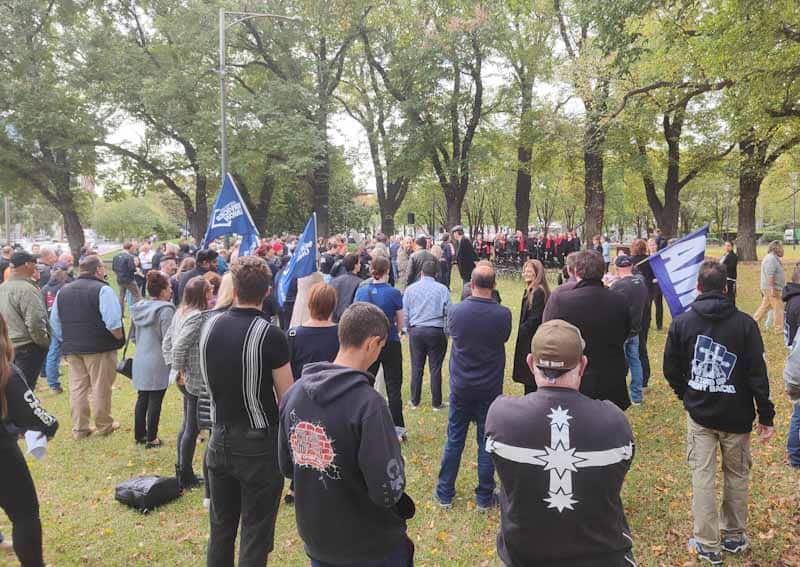
International Worker Memorial Day (IWMD) events are usually moving and solemn occasions.  Today’s event in Melbourne, Victoria, was a good example, but something was missing, especially given the calibre of dignitaries who were present. (A list of most of them is below)

Victorian Trades Hall Council secretary Luke Hilakari was on message as the first formal speaker.  He was the only speaker who addressed the IWMD theme –  The role of AI and digitalisation at work. He was followed by Premier Jacinta Allan, Melbourne Lord Mayor, Nick Reece, Acting CEO of WorkSafe Victoria, and Ash West. The Premier’s attendance was notable as I cannot remember the last time a Premier attended or spoke at this type of event.

Subscribe to SafetyAtWorkBlog to continue reading.
Subscribe Help
Already a member? Log in here

Established OHS knowledge needs a boost

Workplace psychological health has been dominated by wellness advocates for several decades. Occupational health and safety (OHS) is seen by many as an interloper with “new” regulations that impose rules, expectations, notifications, and records on a corporate wellness sector that has been hugely influential on employers’ perspectives of mental health at work. This interjection by OHS “upstarts” does not stand up to examination. Social determinants of health have included work factors for many years. Richard G Wilkinson wrote about the psychosocial causes of illness in 1997, providing a helpful perspective applicable today.

Subscribe to SafetyAtWorkBlog to continue reading.
Subscribe Help
Already a member? Log in here

European support for Australia’s ban on engineered stone

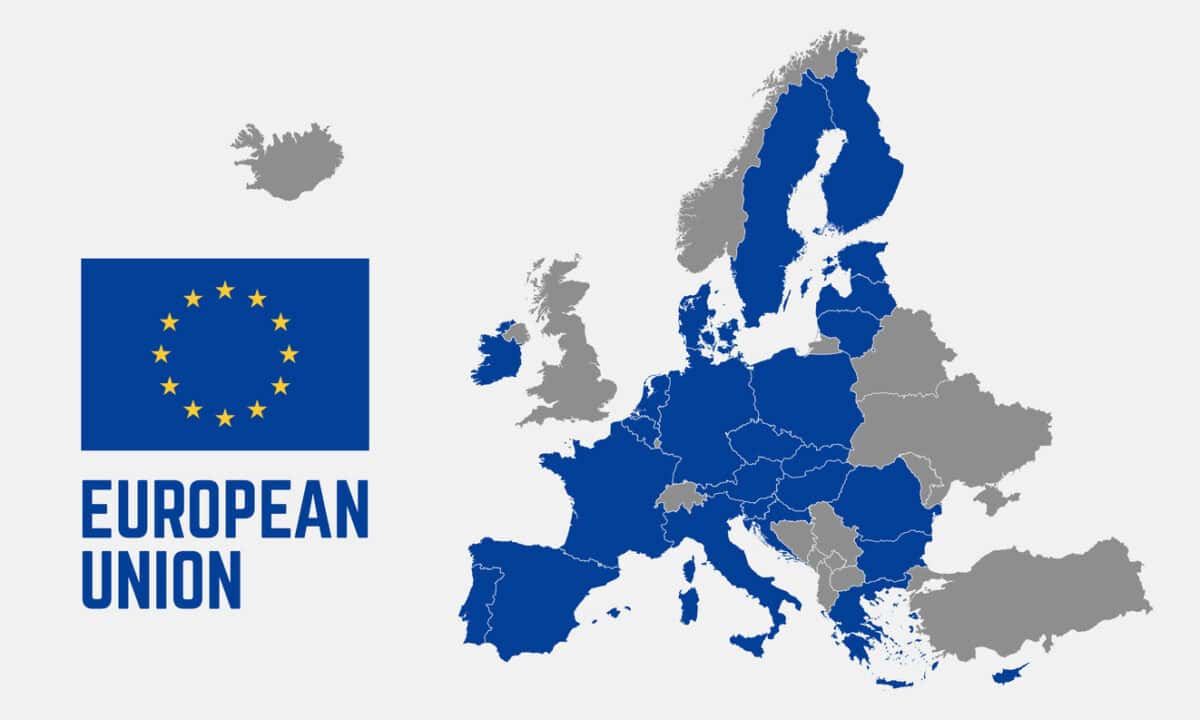
The latest edition of the European Trade Union Institute’s HesaMag features articles on Artificial Intelligence, but the go-to article for me was the magazine’s perspective on Australia’s ban on engineered stone.

We often learn more about ourselves by reading how others see us, so I was keen to read the perspective of sociologist Catherine Cavalin and historian  Alfredo Menendez Navarro.

Subscribe to SafetyAtWorkBlog to continue reading.
Subscribe Help
Already a member? Log in here
Concatenate Web Development
© Designed and developed by Concatenate Aust Pty Ltd