
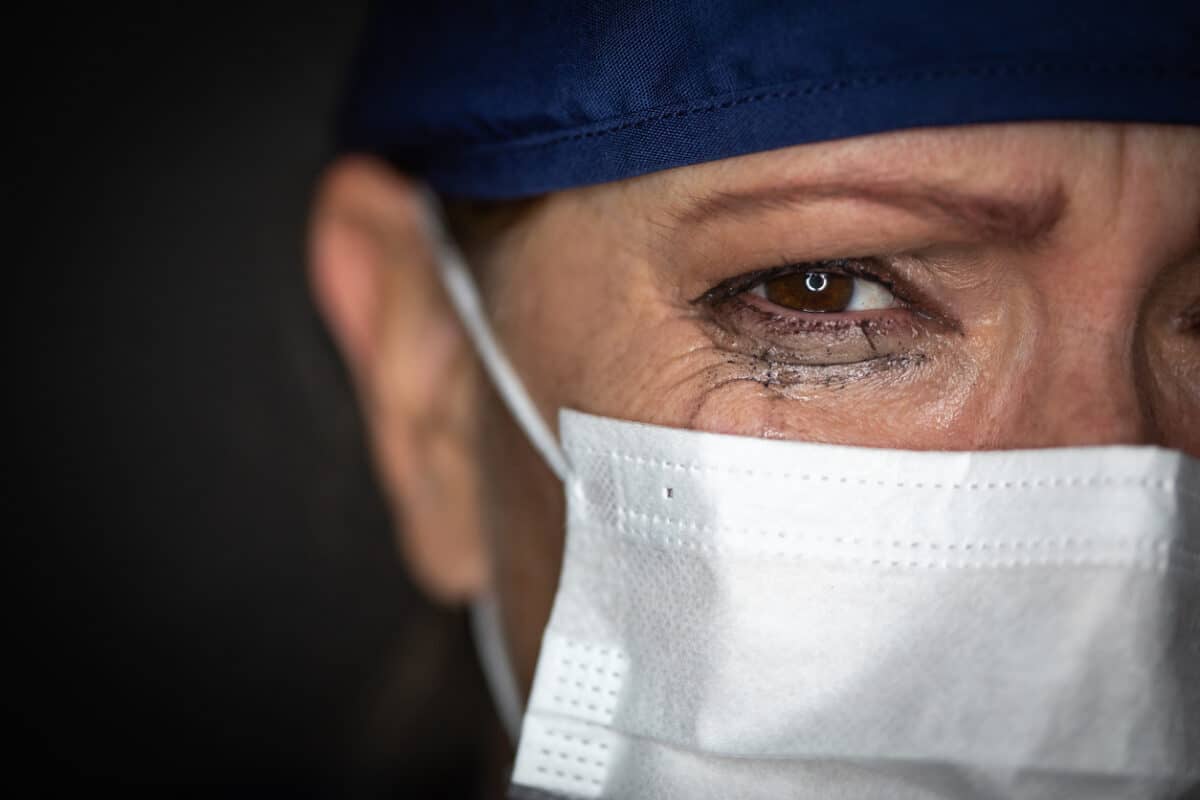
On December 29 2023, The Guardian newspaper’s cover story was about doctors in the United Kingdom’s National Health Service experiencing high rates of “moral distress”. It is common for hospitals and health care services to consider themselves as workplaces with unique hazards rather than suffering similar occupational health and safety (OHS) challenges to all other workplaces. What makes the OHS challenge so significant in the NHS is the size of the challenge rather than its nature or cause.
Category: disease

Caesarstone has a point in its identification of the root cause for silicosis deaths
Engineered stone manufacturers are, understandably, not happy with Australia’s proposed ban on their silicosis-generating products. Some home builders have also expressed dissatisfaction. They are often ignoring the reason for the ban – the unnecessary deaths of workers – although at least one argument has merit.
In an article by the Australian Broadcasting Corporation, Caesarstone, the major supplier of engineered stone to Australia, identified what it sees as the real causes of silicosis risks:

Australia is the first nation to ban engineered stone due to worker health concerns
The heads of Australian work health and safety authorities have decided to ban engineered stone from the middle of 2024. Some will seed this as a win for the trade union movement ( the unions certainly will), but many occupational health and safety and industrial hygiene professionals have been leading the way in obtaining the research evidence that made this decision such an easy one to make.
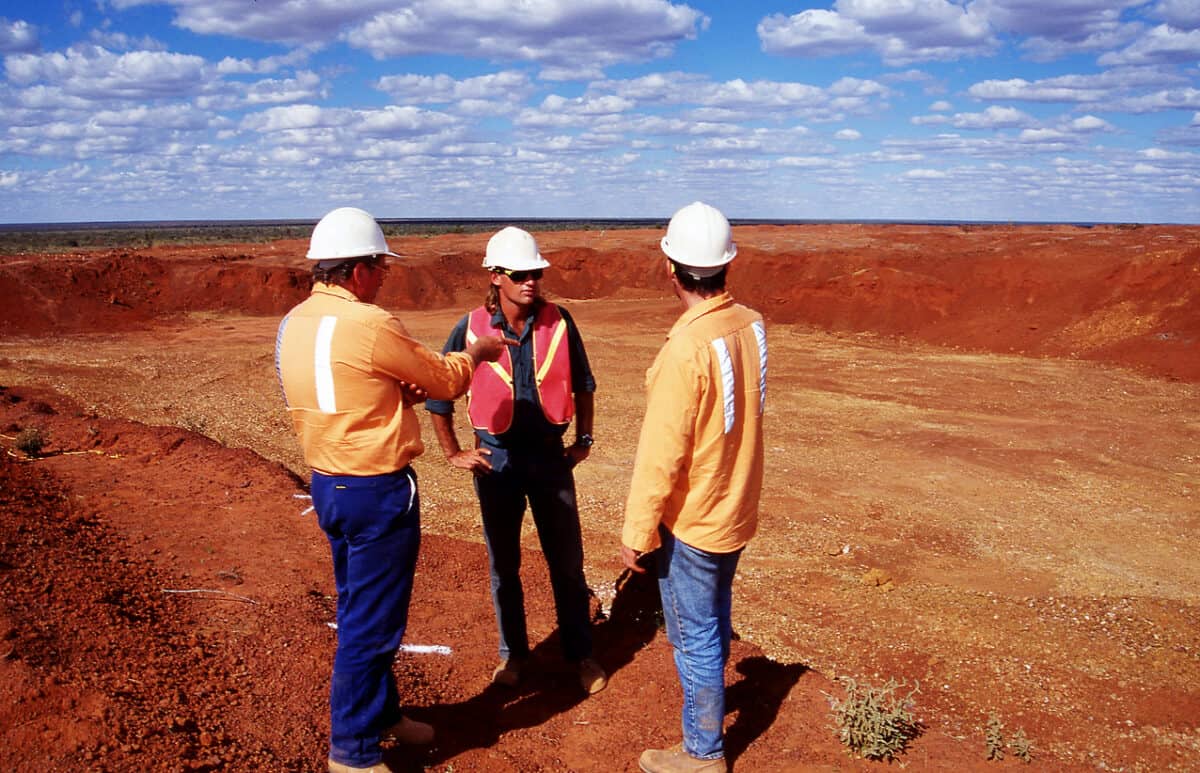
The individual remains at the heart of workplace mental health in mining
One of the most significant takeaways from the 23rd World Congress on Safety and Health at Work is Australia’s relative position of occupational health and safety (OHS) privilege. For instance, in the mining sector, Australian workers are rarely exposed to tuberculosis, HIV, silicosis and chemical exposure to the extent of similar workers in other countries. Instead, Australia has the comparative luxury of focusing on the psychosocial hazards associated with the fly-in, fly-out (FIFO) workforce.
Interview with ILO’s Manal Azzi
Last week, I was able to interview several speakers, sponsors and delegates at the 23rd World Congress on Safety and Health at Work, sometimes on behalf of the Congress and at other times privately. Some of these interviews were edited from forty-five minutes of content to ten. The interview with the Team Lead on Occupational Safety and Health at the International Labour Organization, Manal Azzi, available online, was once such. This SafetyAtWorkBlog article is the full, slightly edited, transcript of that interview.
New international and local workplace data should cause a reassessment of national OHS strategies
Earlier this week, the International Labour Organisation (ILO) released new data showing that in 2019:
“According to the latest estimates developed by the ILO and covering the year 2019, over 395 million workers worldwide sustained a non-fatal work injury.”
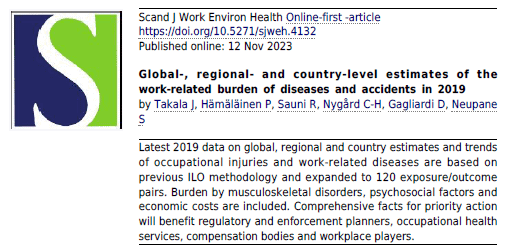
More research on global work-related deaths has been released. This time, it was through the Scandinavian Journal of Work, Environment, and Health and with regional data breakdowns. This latest report includes some important statistical data about psychosocial exposures at work.
ILO sets the OHS picture at the 23rd World Congress
This afternoon, the 23rd World Congress on Safety and Health at Work commences in Sydney. Already important information is being released, with the International Labour Organisation (ILO) being first out of the block, setting the broader occupational health and safety (OHS) context.
In a media release dated November 27 2023, the ILO says: