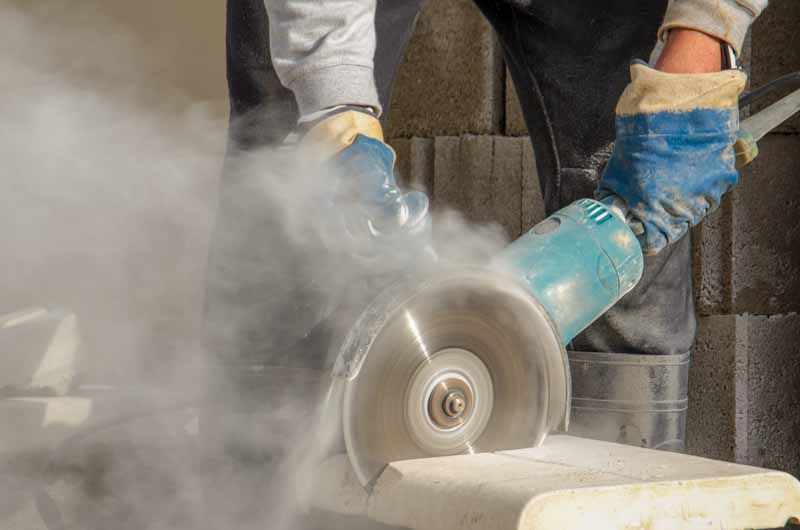
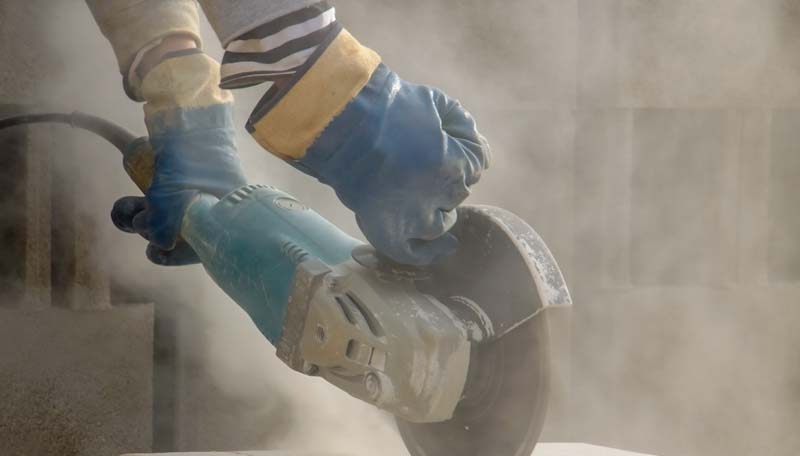
Engineered stone reveals the reality behind OHS decisions

Caesarstone Asia Pacific managing director David Cullen told the Australian Financial Review (AFR – paywalled) on October 27, 2023, that:

“A full ban on the use of engineered stone would double the cost of benchtops..”

So? That seems to be enough of a reason to continue to allow the use of a product that is causing a large number of preventable deaths in Australia and elsewhere??!!

A stronger argument may be that the occupational health and safety (OHS) management of the cutting of engineered stone has failed.

Subscribe to SafetyAtWorkBlog to continue reading.
Subscribe Help
Already a member? Log in here

Engineered stone and The Block

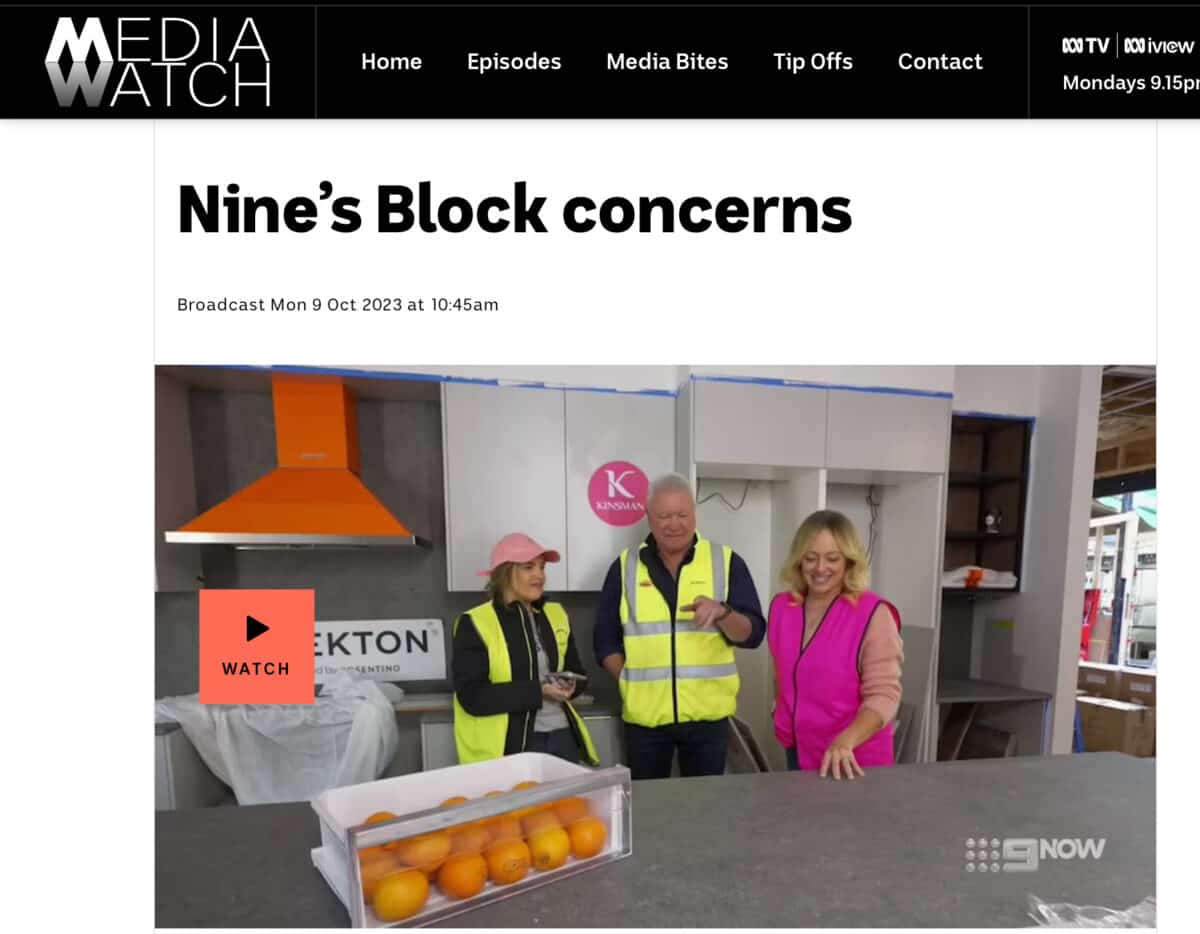
One supplier of synthetic stone products to Australia, Cosentino, is in the mainstream media after an appearance on a popular television home renovations show on the Nine Network, The Block. Several occupational health and safety (OHS) professionals and organisations have raised concerns about how the product was discussed and presented on a recent episode. The best coverage of this matter has been by an ABC television program, MediaWatch.

MediaWatch revealed the importance of listening to how dangerous products are described and how the guidance of OHS Regulators can be interpteed or manipulated.

Subscribe to SafetyAtWorkBlog to continue reading.
Subscribe Help
Already a member? Log in here

Commitment Interruptus on engineered stone

Trade unionists in the United Kingdom have a similar battle over the safe exposure limits to silica dust that Australia “resolved” a few years ago. It should not be long before the UK pushes for a ban on the import of engineered stone or starts arguing over the safety of the product when silica content is reduced to 40%.

Some recent parliamentary argy-bargy in Australia over the cutting of engineered stone was illustrative of some of the issues and lobbying.

Subscribe to SafetyAtWorkBlog to continue reading.
Subscribe Help
Already a member? Log in here

Engineered stone and deadly silica risks seem here to stay

So Australia did not ban the importation of engineered stone. The Heads of Workplace Safety Authorities (HWSA) have issued a Communique and a joint media release outlining their decision. It’s a political slap in the face to the trade unions who went hard on the ban.

Many organisations supported the call to ban the importation and use of engineered stone due to the unacceptable risk associated with cutting the product. Many were strident in need for the ban. Even the Federal Minister for Workplace Relations, Tony Burke, was talking tough on the morning of the critical meeting of the Heads of Workplace Safety Authorities. So what went wrong?

Subscribe to SafetyAtWorkBlog to continue reading.
Subscribe Help
Already a member? Log in here

Silicosis campaign is about safety but is also about politics

The calls for banning engineered stone‘s importation are curious and likely to be acted on later this week.

Politicians, unions and some OHS associations have undertaken a risk assessment and determined that elimination is the most effective harm prevention strategy. Previous risk assessments of silicosis have been reported on in this blog for some time without banning the material. The risks have not changed even with increased inspection and enforcement. So what has changed? Politics.

Subscribe to SafetyAtWorkBlog to continue reading.
Subscribe Help
Already a member? Log in here

When a ban is an understandable stunt

Australia has yet to offer a good reason for hazardous engineered stone products not being banned from import and use. On November 23 2022, Australia’s most influential construction union, the CFMEU, stated that it would ban these products from mid-2024 if the Federal Government does not. Trade unions no longer have the level of influence or numbers to achieve these sorts of bans. As with asbestos many years ago, such campaigns risk taking more credit for the potential occupational safety and health reforms than they deserve.

Subscribe to SafetyAtWorkBlog to continue reading.
Subscribe Help
Already a member? Log in here

A workplace injury could include adverse effects on physical, mental or cognitive conditions.

I recently refreshed my Lead Auditor in OHS training – the first time since Australia updated its Occupational Health and Safety Management Systems Standard to ISO45001. It was challenging on some issues but generic on others. Due to the recent heightened awareness of psychosocial hazards in the workplace, I was watching for how this hazard would be addressed. Still, I became stuck on the inclusion of “cognitive condition” in the definition of “injury and ill health”.

Subscribe to SafetyAtWorkBlog to continue reading.
Subscribe Help
Already a member? Log in here
Concatenate Web Development
© Designed and developed by Concatenate Aust Pty Ltd