Maximum Workplace Temperatures: A Political Fix Searching for an OHS Problem

The United Kingdom and Europe are again struggling through dangerous summer heat. In Australia, it’s tempting to feel a little smug. We’ve spent decades adapting our houses, cities and work practices to heat: wide‑brimmed hats in schools, backyard pools, ventilation, shade, job rotation, and a long list of practical controls that employers and regulators understand well. None of this makes heat safe, but it does make working in excessive heat manageable.

Into this UK heatwave steps Greens MP Hannah Spencer, proposing a Private Member’s Bill to establish a maximum workplace temperature.

Subscribe to SafetyAtWorkBlog to continue reading.
Subscribe Help
Already a member? Log in here

Turning Moral Questions into Action on Workplace Safety

There seems to be an increase in democratic socialism in the United States. Socialism-based principles, the “common good,” the Green New Deal, limitarianism, post-neoliberalism, and others are being discussed with increasing seriousness.  Underpinning these ideas is respect for humans (and others), a push to understand the limits and potential of humans, and a countering of the idea that humans are primarily “units of labour” and that their only value is determined by their productivity. Perhaps it is time to engage directly with, and politely challenge, these entrenched business approaches.

Subscribe to SafetyAtWorkBlog to continue reading.
Subscribe Help
Already a member? Log in here

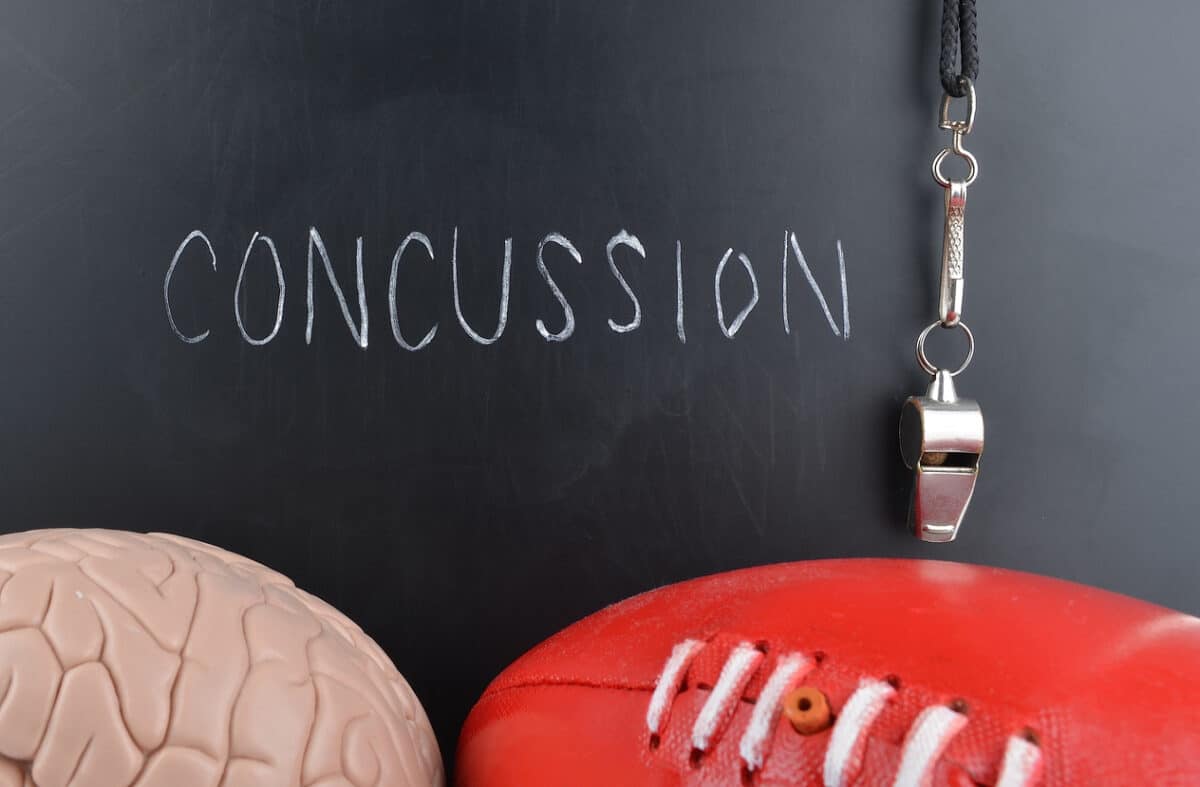
Eliminating Concussion and CTE From Australian Rules Football

Every time a sporting body is confronted with concussion data, someone inevitably asks whether the game can be played without the risk. In most industries, that question is the starting point for a “so far as is reasonably practicable” (SFAIRP) analysis. In sport, it’s treated as heresy. But if we apply the same occupational health and safety (OHS) logic to Australian rules football that we apply to construction, mining or manufacturing, the answer is, if you want to eliminate concussion and the risks of chronic traumatic encephalopathy (CTE), you have to eliminate the mechanisms that cause it. And once you do that, you no longer have the game as we know it.

Subscribe to SafetyAtWorkBlog to continue reading.
Subscribe Help
Already a member? Log in here

AFL, CTE and SFAIRP: When “the rough and tumble” becomes a foreseeable harm

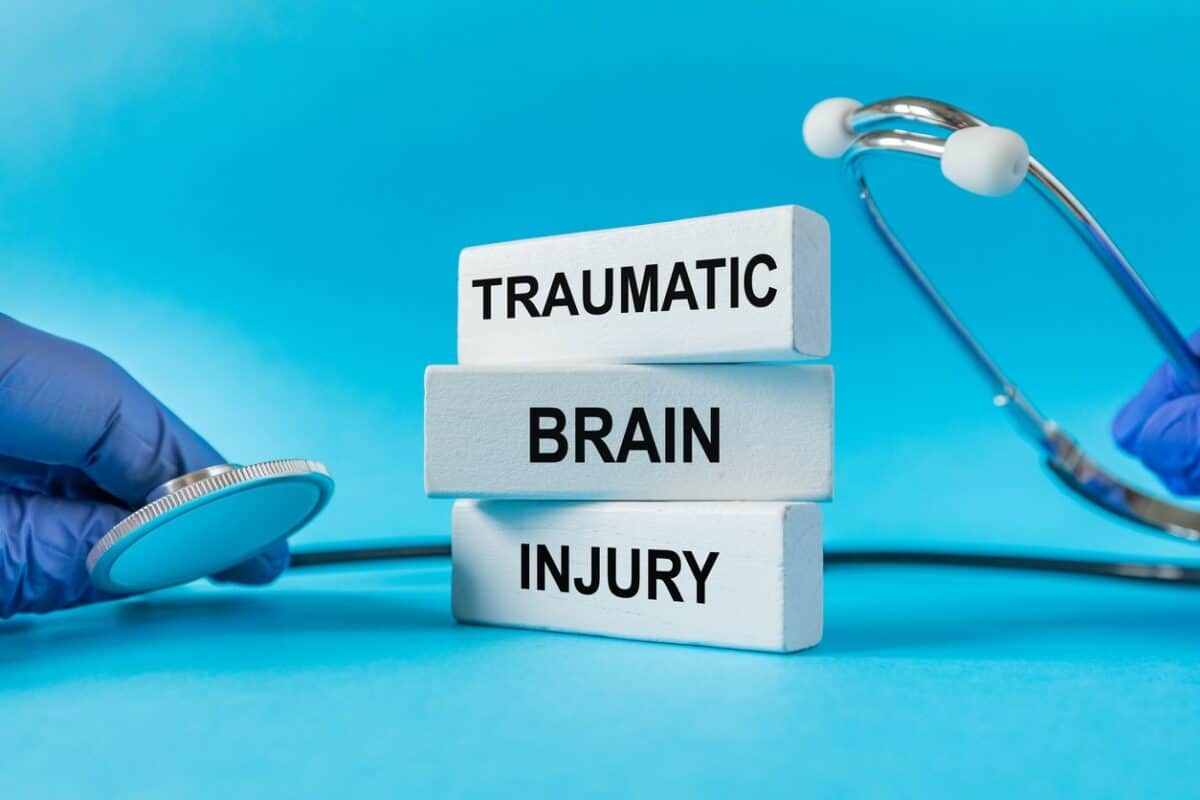
The death of 23‑year‑old footballer Nick Lowden should force the Australian Football League (AFL) and every sporting body that claims to care about player welfare to confront the fact that the risks of brain injury in Australian football are no longer mysterious, emerging, or debatable. They are foreseeable, documented, and cumulative. And once a risk is foreseeable, the occupational health and safety (OHS) duty to eliminate or minimise it so far as is reasonably practicable (SFAIRP) applies.

A Four Corners investigation to be broadcast on June 29, 2026, examines Lowden’s death. (This article is based on some preliminary reporting on the issue by the Australian Broadcasting Corporation)

Subscribe to SafetyAtWorkBlog to continue reading.
Subscribe Help
Already a member? Log in here

What OHS can learn from Charles Dickens

Author Charles Dickens is often cited for his description of and opposition to the working conditions in his time – child labour, executive (im)morality, excessive workload, and poor working conditions. However, the image that has always stayed with me is the Circumlocution Office described in Little Dorrit.

Subscribe to SafetyAtWorkBlog to continue reading.
Subscribe Help
Already a member? Log in here

From Complaints to Control—IAWBH2026 and the Quiet Revolution in Psychosocial Safety

The 2026 conference for the International Association on Workplace Bullying and Harassment (IAWBH) was held in Canberra in June 2026. I was always curious about how prominent the term “psychosocial hazards” would be at this conference. It seems that most of the world still talks about workplace bullying and harassment and sexual harassment separately from the psychosocial, but the occupational health and safety (OHS) approach seems to be in the ascendant.

Below is my take (part 1 of 2) on the conference sessions I attended and the issues raised. (I missed the half day of Day 3). I have tried to use a generic, informative tone for a broader readership.

Subscribe to SafetyAtWorkBlog to continue reading.
Subscribe Help
Already a member? Log in here

The Gap Between Leadership Theory and Practical Prevention of Workplace Harm

I was able to explore the concept of business leadership a little further at the recent conference of the International Association on Workplace Bullying and harassment. Lucienne Ruddenklau presented on ‘Mechanisms through which Leadership influences Workplace Bullying: A Conceptual Review”. I asked her, a leadership researcher, whether Leadership is an honorary title for executives or an adjective for leadership throughout an organisation. Her response was useful, as was her research presentation.

Subscribe to SafetyAtWorkBlog to continue reading.
Subscribe Help
Already a member? Log in here
Concatenate Web Development
© Designed and developed by Concatenate Aust Pty Ltd