
Day one of PHSCon felt less like the unveiling of a new paradigm and more like a reminder that the fundamentals of good work have been obvious for a long time. The opening session positioned the conference as part of a broader push to move beyond bare compliance and towards more humane, evidence‑based ways of organising work. Conference chair and author Dr Kat Page set the tone by describing how her book Good Work emerged from watching COVID‑era decisions about job design, workload and leadership either amplify or buffer psychological harm. She framed both the book and the conference as an attempt to offer collective agency and hope, a space where practitioners, leaders and academics could connect stories, research and practice in ways that make better work design feel possible rather than theoretical. Conference delegates received a free copy of the book.
Category: health

The EU’s New Psychosocial Proposal Puts Australia on Notice
Australia often positions itself as a leader on psychosocial hazards and occupational health and safety (OHS). A new proposal from the European Parliament (EP) provides a contrast.

What’s it like living and working on a Pacific Island?
For the last 5 months I have been living and working on Norfolk Island, an external territory of Australia, three hours by plan off the east coast of Australia. I am on a 6-month contract which concludes in just over a week.
I have written regularly over the psychological impacts of Fly-in, Fly-Out (FIFO) workers and looked at this contract as an extreme example of working away from home and being isolated from friends and family. So how do I think I have coped?
Save the Player, Save the Game: Rethinking Brain Injury in Australian Football
I have been writing about how occupational health and safety should apply to professional contact sports for a few years. The emergence of concussion, traumatic brain injury, and CTE has changed how sports are managed and the sports themselves.
I hope when you have 14 minutes to spare, perhaps on your smoko, walking at lunchtime or on the gym’s treadmill, that you get a chance to listen. Afterwards, please post some comments or message me on the socials.
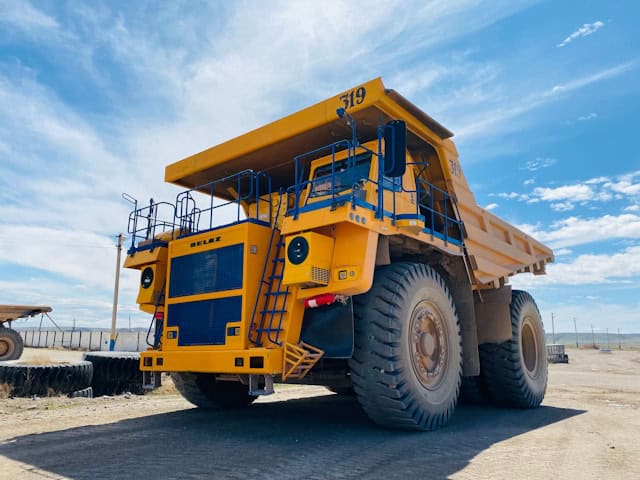
BHP Puts Safety First but Reports Sexual Harassment Under Sustainability
BHP has just released its Annual Report for the latest financial year, which includes occupational health and safety (OHS).
The report places Safety as the opening chapter of the Annual Report. Symbolically, this matters even if the issues don’t feature in some of the preceding executive statements. If Safety is a number one priority, or even just a top priority, OHS shouldn’t be shunted to a sustainability supplementary report, as many employers do. So a Gold Star to BHP, but I would take back that praise when looking at how sexual harassment was reported.
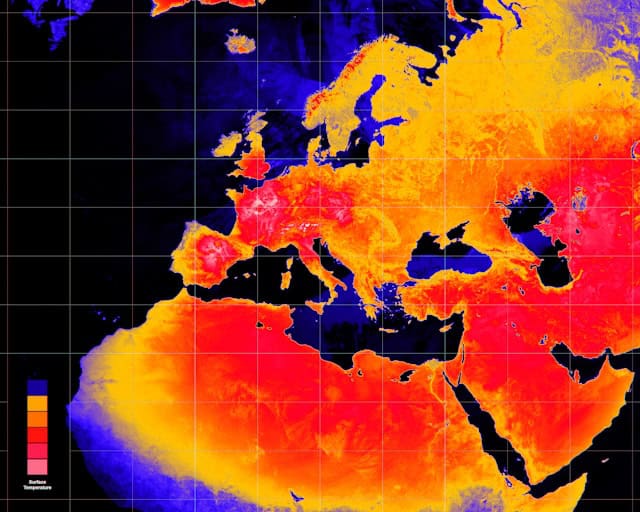
Businesses Want Maximum Productivity, But Will Workers Get a Maximum Temperature?
In the Northern Hemisphere, workers are again facing dangerous summer heat. In a few months, it will be the Southern Hemisphere’s turn. Climate extremes are producing droughts, wildfires, and crop failures. It’s not the end of the world, but it’s becoming easier to see how the world ends, and how work and business will be affected. As with most catastrophes, occupational health and safety (OHS) sits quietly in the background. It needs to step forward because it has tools that can help.
Open Access to PHSCon articles
In September 2026, I will be reporting from the Psych Health and Safety Conference (PHSCon) in Sydney. It is the pre-eminent workplace mental health conference in Australia and is it its third year.
In support of the 2026 conference, I have opened some of my PHSCon articles from 2024. These articles illustrate the high calibre of speakers this conference attracts and, hopefully, shows the worth of subscribing to the SafetyAtWorkBlog for these exclusive reports.