
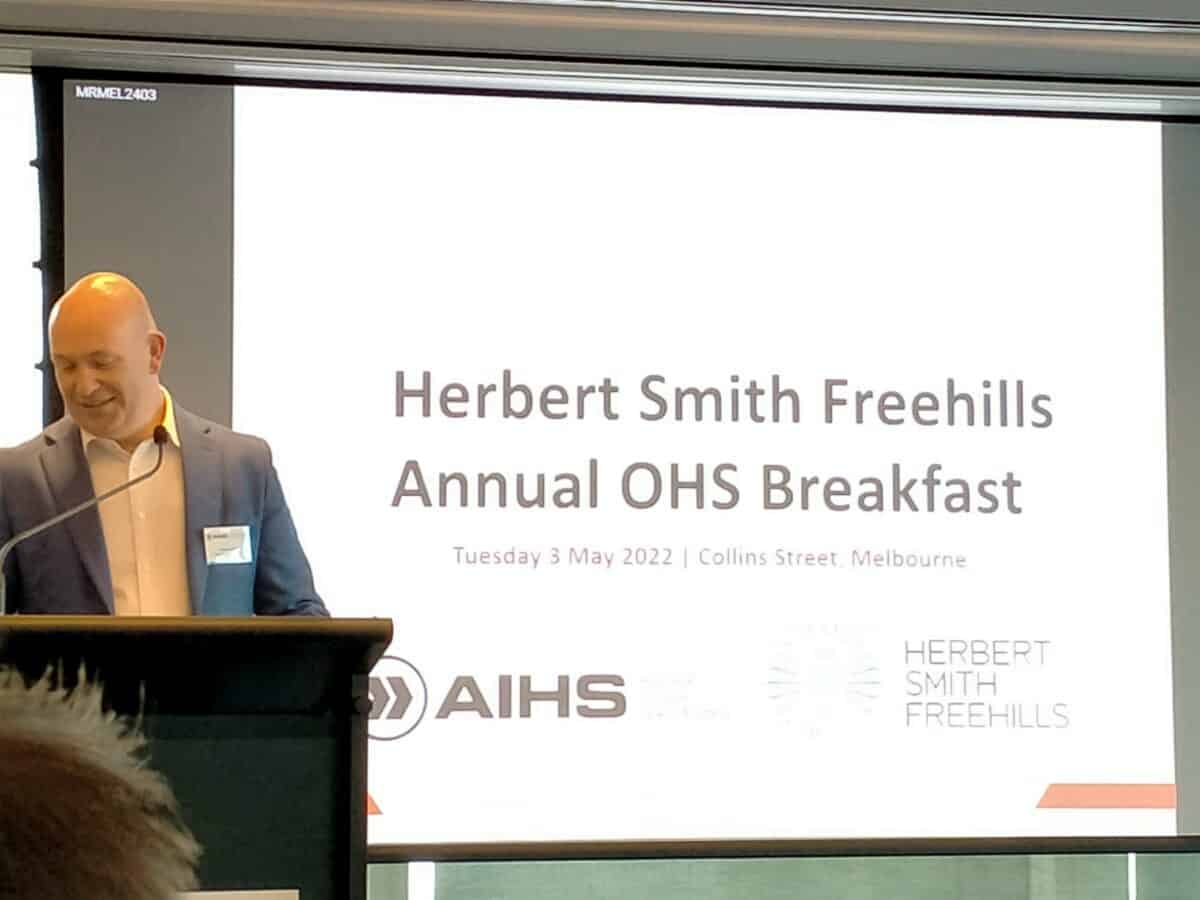
The Australian Institute of Health and Safety (AIHS) and Herbert Smith Freehills (HSF) annual breakfast physically returned this month after a few years of enforced absence. It kept its traditional structure – speeches from the local OHS regulator WorkSafe Victoria, representatives from HSF and AIHS and a summary of a salary survey report focused on occupational health and safety (OHS) professionals. The presentation that made the expense worthwhile came from one of HSF’s Regional Heads of Practice, Steve Bell, concerning new regulations for psychologically healthy workplaces.
Category: health
Anger is an energy*
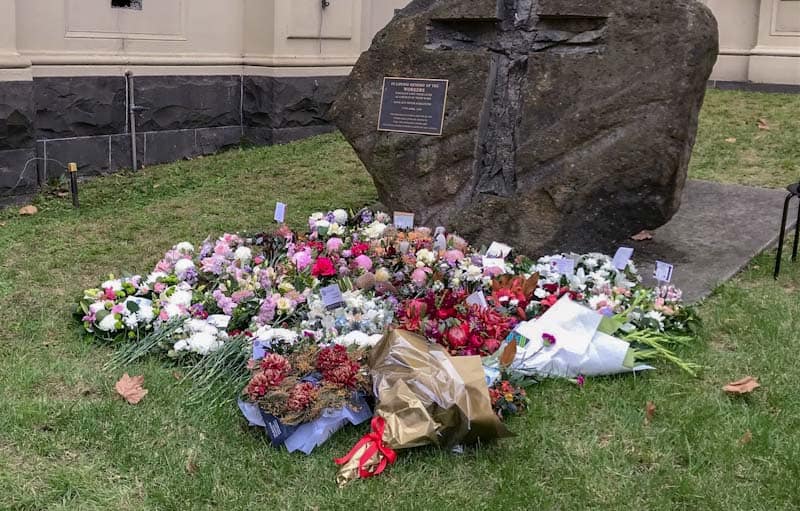
Last week a Victorian politician and a senior bureaucrat spoke about occupational health and safety (OHS) at the Worksafe Victoria awards night. On April 28, 2022, the same bureaucrat and a couple of other politicians spoke at the International Workers Memorial at Trades Hall in Melbourne. Did they say anything useful? Did they say anything that changes or progresses OHS? And who was the audience?
Assessing the best places to work
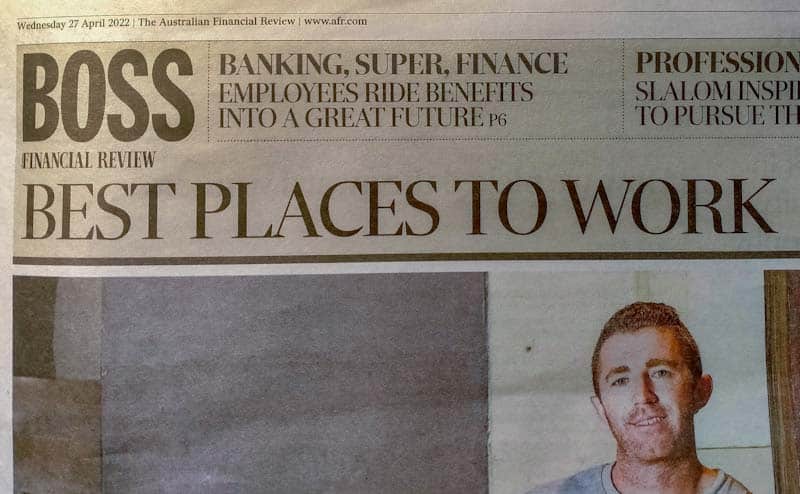
On April 27 2022, a leading Australian business newspaper, the Australian Financial Review (AFR), included a supplement called the “Best Places to Work” (paywalled). I purchased a hard copy (yes, they are still available) to look for occupational health and safety (OHS) mentions.
“Best” is hard to define. It could mean safest, it could mean best paid, it could mean friendliest. Because the supplementary allocates awards for the best places to work, the judging consultants, Inventium, included its criteria. You can already guess some of the focus of the awards as Inventium is described as “Australia’s leading behavioural science consultancy”. The assessment of the applicants involves:
OHS record restated, but employers omitted
The WorkSafe Awards night for 2021 was postponed a couple of times from its traditional date in Workplace Health and Safety Month, October. The April 21, 2022, event held the potential for a political statement, given that 2022 is an election year for Victoria, and the event was held one week before International Workers Memorial Day. No such luck. We may have to wait for October 2022, a month before the November election.
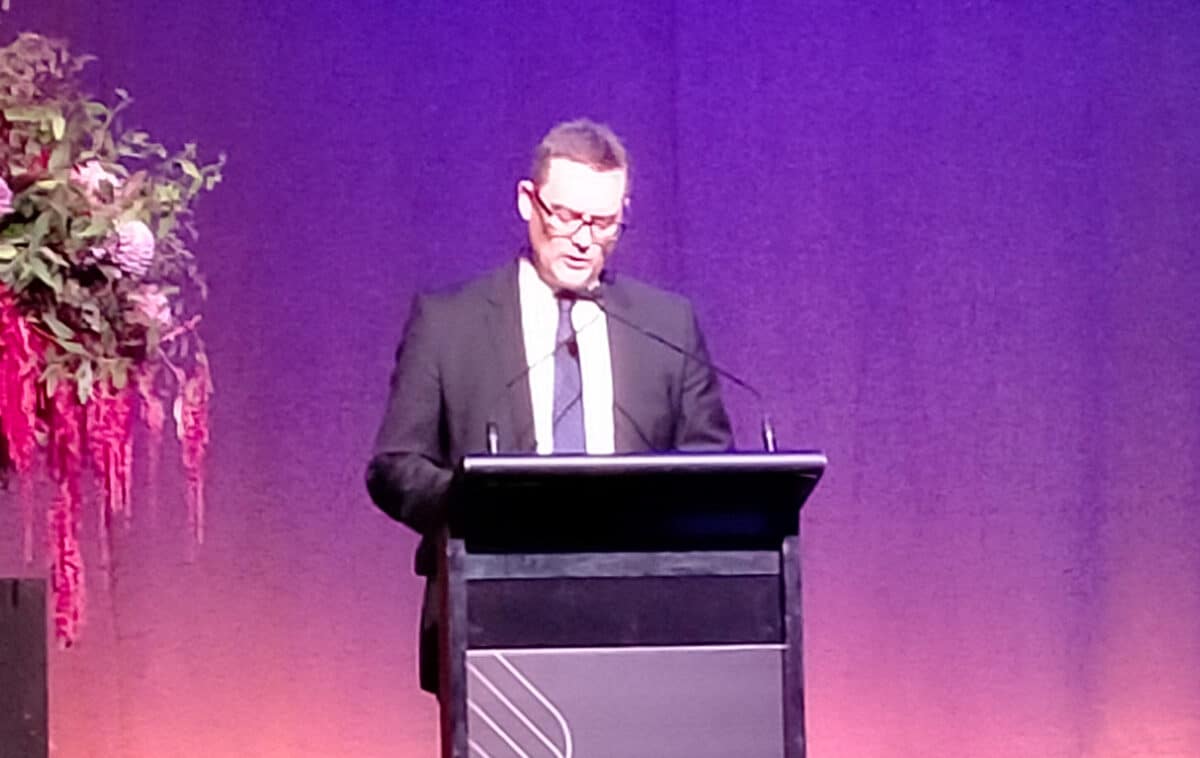
The Minister for Workplace Safety, Ingrid Stitt, could not attend, but Bronwyn Halfpenny, the Parliamentary Secretary for Workplace Safety, did. Halfpenny is very active in occupational health and safety (OHS) and the government’s working group of bereaved families, but her speech at the awards event reiterated the government’s OHS reforms. Like other members of the government, she gives a great deal of significance to Industrial Manslaughter changes. These changes have generated fear at senior management levels but little difference in employers’ commitment to improving workplace safety and health. A big stick is pointless unless it is used and used as intended.
Burnout causes are organisational. Who knew?
This blog has written frequently about “burnout” in workplaces, especially since the condition was defined by the World Health Organisation in 2019. I have seen it used many times as a shortcut, or synonym, for workplace mental health but usually only at the corporate, executive level. Workers have breakdowns, but executives seem to suffer burnout.
Recently a book was published in the United States called “The Burnout Epidemic, or The Risk of Chronic Stress and How We Can Fix It”, by journalist Jennifer Moss. What is most outstanding about this book is that the recommended fix is organisational. Usually, burnout books from the States focus on the individual worker or executive. This fresh US perspective makes the book essential reading for if the US recognises how to fix burnout and chronic stress, any country can.
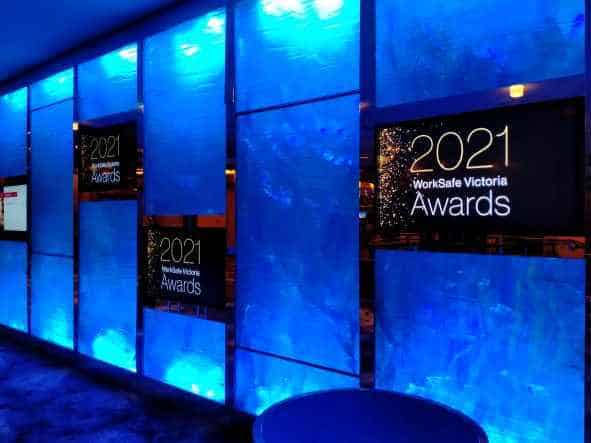
WorkSafe Victoria awards were hit and miss
Last week WorkSafe Victoria finally held its awards night for 2021. The finalists were deserved winners, but compared to previous pre-COVID awards nights, this one was sedate and sometimes flat. SafetyAtWorkBlog will be looking at some of the issues raised by the awards ceremony in a series of articles this week.
The crowd was much smaller than in previous years. This could have been due to the event having been postponed, I think twice, but it could also indicate a lower importance for this type of event. Many of the usual attendees seemed missing – occupational health and safety (OHS) and workplace relations law firms, major companies, industry associations and CEOs, and those who are not finalists but appreciate the opportunity to network with significant players in Victorian OHS.

Over-emphasising the COVID pandemic
Everyone has struggled through the COVID-19 pandemic. Many have died. We have to continue to make many allowances for businesses and people due to the disruption, but some are using the pandemic as an excuse for not doing something. Occupational health and safety (OHS) inactivity is being blamed on COVID-19 in some instances, masking or skewing people’s approach to workplace health and safety more generally.
Continue reading “Over-emphasising the COVID pandemic”