Resilience = the enemy of the Duty of Care

Last year Professor Michael Quinlan and Dr Elsa Underhill wrote about how precarious work arrangements had contributed to the spread and prevalence of COVI19 in Australia and its workplaces. Soon Australia’s Treasurer, Josh Frydenburg, will announce his 2021-22 Budget strategy. It is forecast to include big government spending and in many different areas of Australian industry, but the economy and Australians’ health may be better served by addressing the precarious employment structures on which more and more businesses rely and about which the Government seems disinterested.

In the latest edition of Griffith Review (no. 72), Angela Smith looked at how embedded precarious work is in Australia’s economic rebound. She also looked at how the wellbeing and wellness industries compound the health and safety risks of this type of work in this time of COVID19.

Subscribe to SafetyAtWorkBlog to continue reading.
Subscribe Help
Already a member? Log in here

Prevention is better than cure

The Hazelwood Mine Fire was a public health tragedy with an occupational context beyond the prosecution by WorkSafe Victoria. A clear example of the workplace risks was the fire-fighting efforts and the subsequent health impacts of David Briggs. According to a media release from the Maurice Blackburn law firm, Briggs had his successful WorkCover claim upheld by the Victorian Supreme Court last week.

Briggs has been mentioned several times in this blog’s coverage of the Hazelwood Mine Fire Inquiry and the writing of Tom Doig on the catastrophe. His case should cause some very uncomfortable questions.

Subscribe to SafetyAtWorkBlog to continue reading.
Subscribe Help
Already a member? Log in here

Non-military safety lessons from the latest Royal Commission (open access)

The Australian Broadcasting Corporation broadcast an episode of The Signal on April 21, 2021, which discussed the complexity of the culture of Australia’s military, and I strongly recommend you listen to it. It does make some points about culture worth contemplating in the context of one’s own workplace and profession.

The most useful point was that an established institution cannot have a uniform culture that meets the expectations of all relevant stakeholders. Generations take their culture with them. So those who started in the military in the 1980s and 1990s (and later) will bring the values and lessons of that time into their maturity and when they move into senior and leadership positions – positions that are intended to both preserve and progress the organisation’s culture. This will result in conflict between the expectations of new recruits and the realities of the established military executives. Not open revolt, but a dissatisfaction that may or may not result in leaving the organisation.

The topic used by The Signal to illustrate the extremes of the defence force members and stakeholders was mental health.

Continue reading “Non-military safety lessons from the latest Royal Commission (open access)”

Mental Health Crisis? What Crisis?

On April 16 2021, the Guardian newspaper included letters from two clinical psychologists (paywalled) that contradict each other on the reality of COVID-19-related mental health. Dr Lucy Johnstone wrote that it was essential that society builds itself to be better post-COVID-19 and that:

“The “mental health pandemic” trope simply does not fit the evidence. Yes, some people have suffered greatly, but the overall picture is of a population that is largely resilient, although understandably bored, lonely and frustrated at times.”

and

“It should surprise no one that people with more to be depressed and anxious about are feeling more depressed and anxious. Reframing understandable responses to difficult life circumstances as “mental illness” plays into professional interests and political denial.”

Continue reading “Mental Health Crisis? What Crisis?”

A closer look at the positive duty to prevent sexual harassment

The big occupational health and safety (OHS) news in Australia has been the release of the federal government’s response to the Respect@Work report on sexual harassment in Australian workplaces. And the biggest issue in that response seems to be the government’s lack of enthusiasm for a major recommendation of Sex Discrimination Commissioner Kate Jenkins, the inclusion of a positive duty in the sexual discrimination legislation. Many lawyers have been asked for their opinions on the government’s response, but very few OHS professionals.

Subscribe to SafetyAtWorkBlog to continue reading.
Subscribe Help
Already a member? Log in here

A traditional farm safety campaign with tweaks

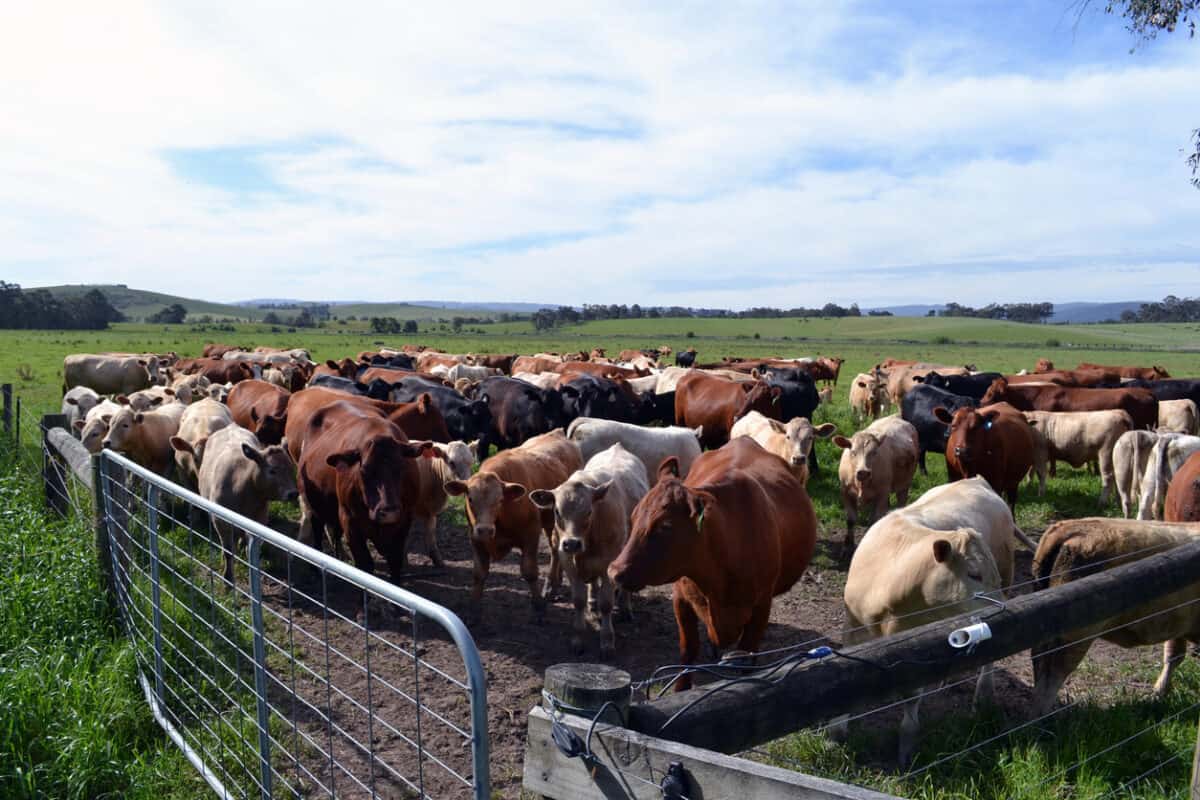
For the last few years, farm safety has been dominated by arguments over the safety of quad bikes. Squabbles continue in Australia, but that topic is largely over, and many are returning to a broader and more contemporary approach to health and safety in farming.

It looks like WorkSafe Victoria has begun to roll out its farm safety ambassadors with Catherine Velisha on the cover of a recent edition of Stock and Land newspaper and in a Youtube video. This is supported by a full article on page 3 with an additional article in a glossy supplement provided with WorkSafe’s support.

The article is a blend of promotion for Velisha’s farm management training company and media releases from WorkSafe Victoria. The occupational health and safety (OHS) statistics are new but not very different from previous statistics. Middle-aged men continue to be a feature of the fatality statistics, and 58 on-farm deaths happened in 2020, the same as the year before. Quad bikes have been a major factor in those deaths.

Subscribe to SafetyAtWorkBlog to continue reading.
Subscribe Help
Already a member? Log in here

OHS is “… more what you’d call ‘guidelines’ than actual rules.”

Occupational health and safety (OHS) may not be a common subject in the mainstream media but there is plenty of political discussion on the topic in Australia’s Parliament.

The current (conservative) federal government seems very slow to accept and respond to recommendations from official inquiries that it sees as a secondary political priority, such as sexual harassment and workplace health and safety. The hearings of the Senate’s Education and Employment Legislation Committee on March 24 2021, were, as usual, enlightening.

Subscribe to SafetyAtWorkBlog to continue reading.
Subscribe Help
Already a member? Log in here
Concatenate Web Development
© Designed and developed by Concatenate Aust Pty Ltd