Federal Safety Commission embraces mental health

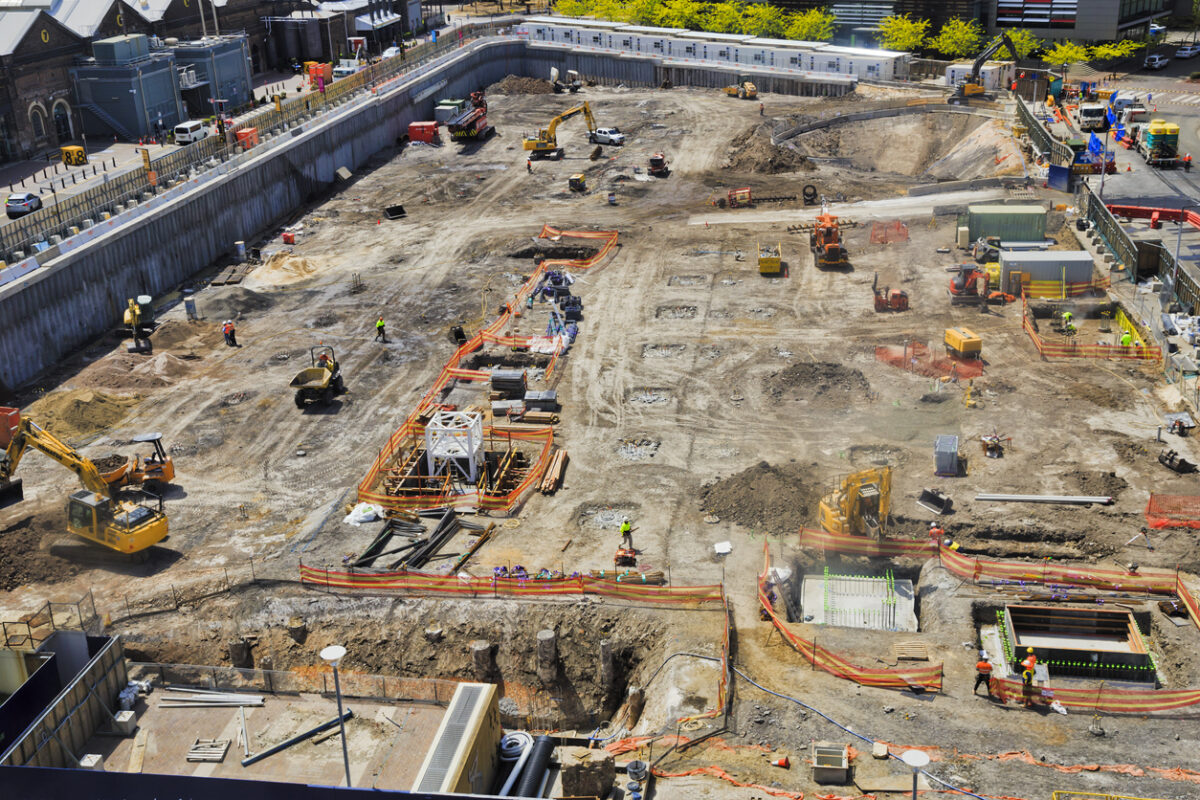
The Office of the Federal Safety Commission is a weird beast.  It originated from Royal Commission in the Building and Construction Industry which many at the time and since saw as a politically motivated exercise.  But whereas the Australian Building and Construction Commission which also originated in the Royal Commission, is mired in political and media back and forth, the OFSC has remained relatively clean.  This may illustrate the difficulty of arguing against workplace health and safety even when the Commission has a fair bit of safety clutter.

Recently the OFSC joined the workplace mental health movement, a legitimate occupational health and safety element.  It will offer little that is new, but the results of its November 2021 member survey do provide a useful insight into the major construction projects and contractors.

Subscribe to SafetyAtWorkBlog to continue reading.
Subscribe Help
Already a member? Log in here

Weasel Words, OHS and the Status Quo

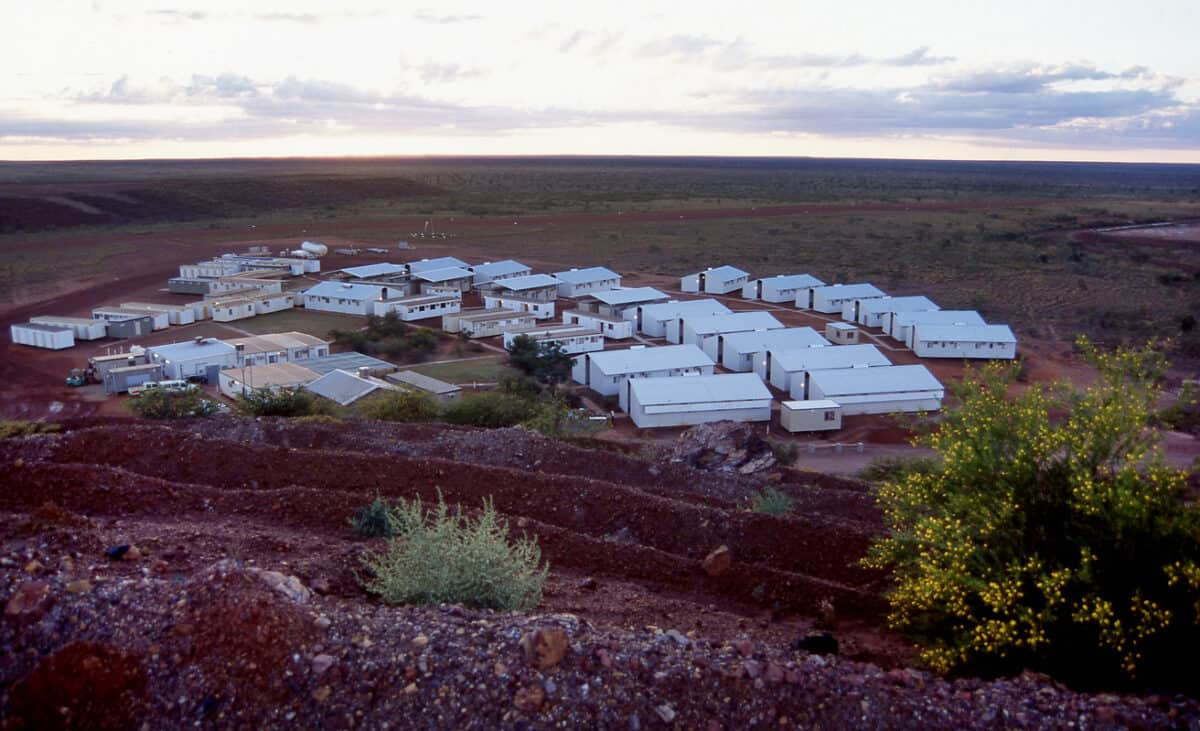
Recently the Chamber of Minerals & Energy of Western Australia (CME) released a guideline on alcohol consumption in the mining sector. It is a curious document reflecting many of the significant corporate misunderstandings about occupational health and safety (OHS).

This article is not primarily about alcohol consumption guidelines, drink limits, or snacks with alcohol or moderation. The misunderstandings are displayed through the language used in CME’s media release, which seems to be the default setting for corporate discussions of OHS.

Subscribe to SafetyAtWorkBlog to continue reading.
Subscribe Help
Already a member? Log in here

Prohibition on Administrative Controls for psychological health at work

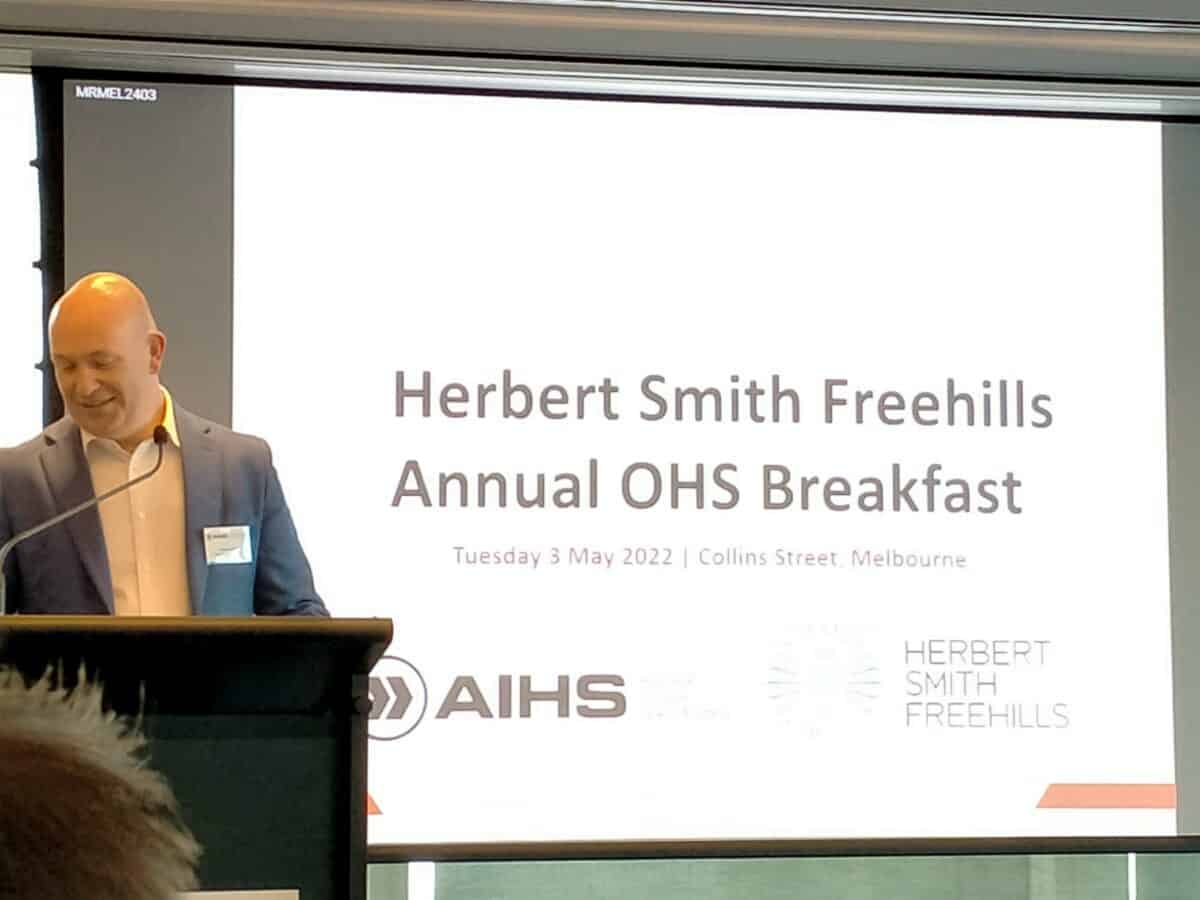
The Australian Institute of Health and Safety (AIHS) and Herbert Smith Freehills (HSF) annual breakfast physically returned this month after a few years of enforced absence. It kept its traditional structure – speeches from the local OHS regulator WorkSafe Victoria, representatives from HSF and AIHS and a summary of a salary survey report focused on occupational health and safety (OHS) professionals. The presentation that made the expense worthwhile came from one of HSF’s Regional Heads of Practice, Steve Bell, concerning new regulations for psychologically healthy workplaces.

Subscribe to SafetyAtWorkBlog to continue reading.
Subscribe Help
Already a member? Log in here

Burnout causes are organisational. Who knew?

This blog has written frequently about “burnout” in workplaces, especially since the condition was defined by the World Health Organisation in 2019. I have seen it used many times as a shortcut, or synonym, for workplace mental health but usually only at the corporate, executive level. Workers have breakdowns, but executives seem to suffer burnout.

Recently a book was published in the United States called “The Burnout Epidemic, or The Risk of Chronic Stress and How We Can Fix It”, by journalist Jennifer Moss. What is most outstanding about this book is that the recommended fix is organisational. Usually, burnout books from the States focus on the individual worker or executive. This fresh US perspective makes the book essential reading for if the US recognises how to fix burnout and chronic stress, any country can.

Subscribe to SafetyAtWorkBlog to continue reading.
Subscribe Help
Already a member? Log in here

WorkSafe Victoria awards were hit and miss

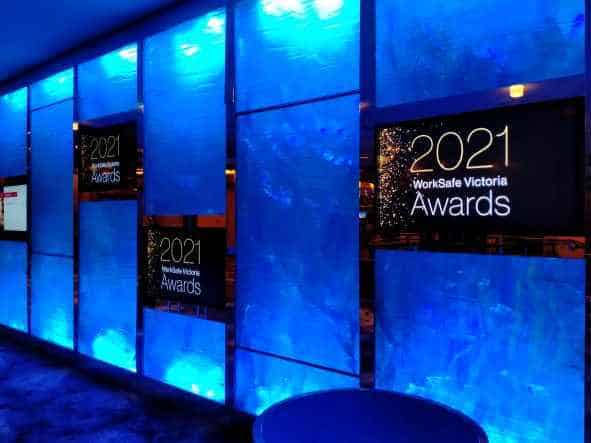
Last week WorkSafe Victoria finally held its awards night for 2021. The finalists were deserved winners, but compared to previous pre-COVID awards nights, this one was sedate and sometimes flat. SafetyAtWorkBlog will be looking at some of the issues raised by the awards ceremony in a series of articles this week.

The crowd was much smaller than in previous years. This could have been due to the event having been postponed, I think twice, but it could also indicate a lower importance for this type of event. Many of the usual attendees seemed missing – occupational health and safety (OHS) and workplace relations law firms, major companies, industry associations and CEOs, and those who are not finalists but appreciate the opportunity to network with significant players in Victorian OHS.

Subscribe to SafetyAtWorkBlog to continue reading.
Subscribe Help
Already a member? Log in here

Break the (structural) bias

March 8 is International Women’s Day, one of the biggest celebratory and lobbying days of the year. The media releases and public statements have already started rolling out over the weekend. Today and tomorrow, important speeches will be made and many will focus on workplace issues, and the subset of occupational health and safety-related matters, such as job security, respect, physical safety, psychological health and equal pay.

The challenge for the audience and the speakers is whether structural change and prevention are advocated or whether the speakers are endorsing remediation, early intervention, and other strategies that apply only after harm has occurred.

Subscribe to SafetyAtWorkBlog to continue reading.
Subscribe Help
Already a member? Log in here

COVID19 and OHS gets political

Workplace health and safety risks related to COVID19 emerge in Australia and the United Kingdom.

Trade Union Suggestions

On May 5 2020, the Australian Council of Trade Unions released a statement on occupational health and safety (OHS) calling for certain Industrial Relations and OHS changes, including:

  • Paid pandemic leave
  • New regulations on safety and health standards, and
  • Compulsory notifications to Health Departments and OHS Regulators.

SafetyAtWorkBlog has been led to believe that the paid pandemic leave is intended to apply from the time a worker is tested for COVID19 through their isolation while waiting for the test results and the operation of sick leave should the test results be positive.

Subscribe to SafetyAtWorkBlog to continue reading.
Subscribe Help
Already a member? Log in here
Concatenate Web Development
© Designed and developed by Concatenate Aust Pty Ltd